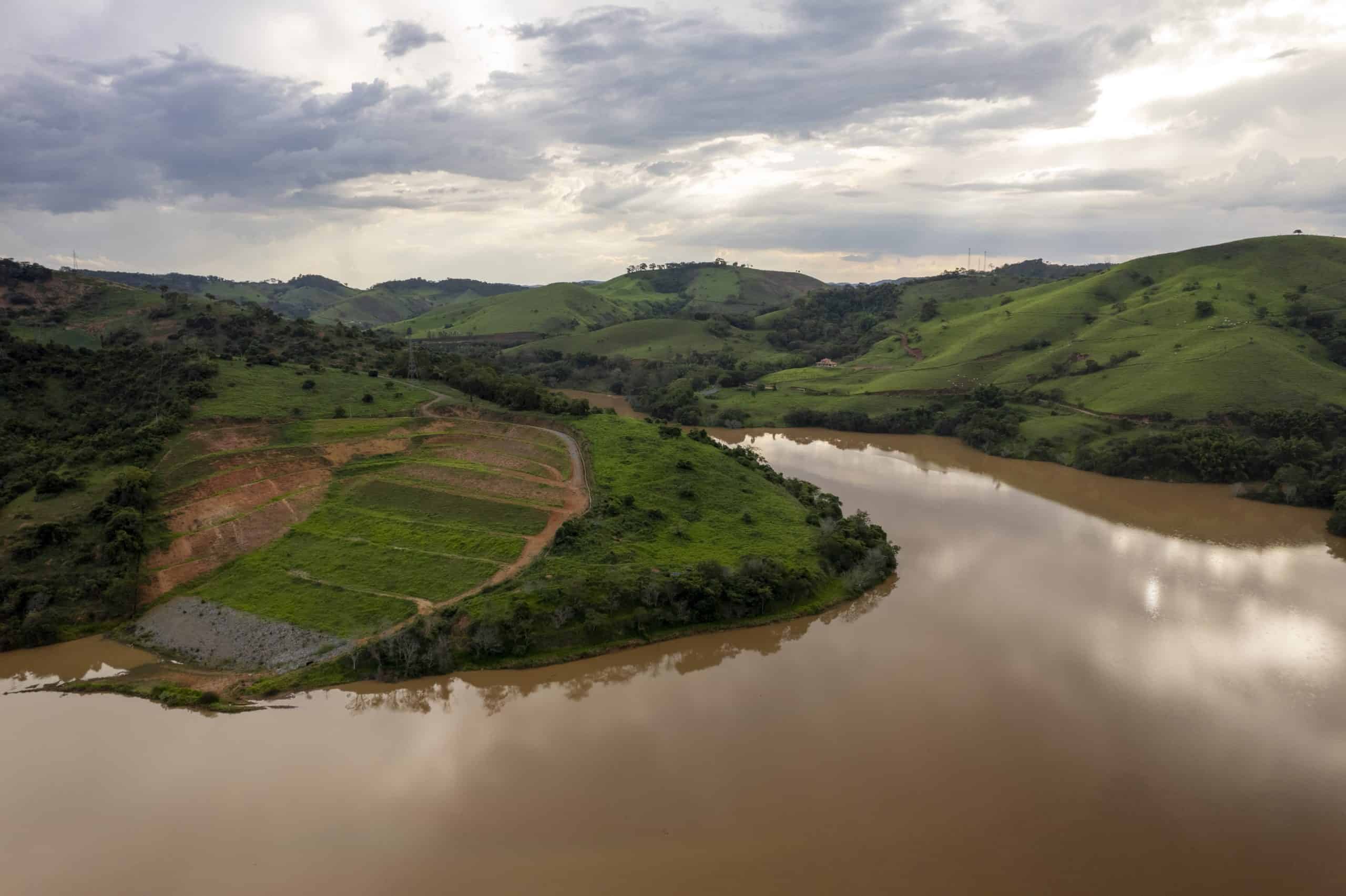
The Samarco Accident stands as one of Brazil’s most significant environmental catastrophes, underscoring the perilous intersection of industrial operations and natural ecosystems. On November 5, 2015, the Fundão tailings dam, operated by the Samarco joint venture between Vale and BHP Billiton, suffered a catastrophic failure near Mariana, Minas Gerais. This event led to the release of millions of cubic meters of mining waste, which claimed the lives of 19 people and caused irreversible damage to the Doce River valley.
The disaster’s impact extended beyond immediate environmental devastation, unfolding into a complex web of legal, social, and economic challenges. Years after the collapse, affected communities continue to grapple with inadequate reparations and protracted legal proceedings. The complexities surrounding liability and accountability have prompted significant legal battles, with both Brazilian and international courts weighing in on the responsibilities of the involved parties.
As the region slowly attempts to recover, lessons from the Samarco Accident highlight the need for stringent oversight and accountability in the mining sector. The ongoing struggle for justice and adequate compensation for those impacted underscores the broader implications for industrial safety standards worldwide.
Samarco Accident Overview
In one of Brazil’s most tragic mining disasters, the Fundão tailings dam collapse in 2015 marked a significant environmental and humanitarian crisis. The catastrophe severely affected communities in Minas Gerais, with the companies Samarco, Vale, and BHP Billiton at the center of the incident.
Timeline of the Fundão Dam Collapse
The catastrophe occurred on November 5, 2015, when the Fundão dam, located at the Germano iron ore mine, failed. Before the collapse, the dam was used to store by-products from Samarco’s mining operations. This catastrophic failure released millions of cubic meters of toxic sludge. In the immediate aftermath, fundão dam closure operations were implemented to mitigate the continued outflow of tailings into the environment.
Rescue and recovery efforts began shortly after, with initial focus on supporting affected communities and reinforcing other dam structures. Three years later, lawsuits and investigations were ongoing, with environmental and community reparations still debated. By December 2020, Samarco resumed operations under strict safety guidelines, signaling a step towards recovery.
Key Locations and Affected Communities
The disaster primarily impacted the small villages of Bento Rodrigues and Paracatu de Baixo, situated near the dam. Bento Rodrigues, located 25 miles from the dam, was almost entirely engulfed by the vast flood of mining waste, leading to the evacuation of its residents and the tragic loss of 19 lives. The toxic flow extended downstream into the Doce River basin, spreading severe ecological damage.
Moreover, the contamination traveled through water systems crucial to southeastern Brazil, impacting communities and ecosystems along the way. As of recent years, affected residents continue to grapple with the long-term effects, including delayed compensations and environmental restoration.
Entities Involved in the Disaster
Samarco, a joint venture between Vale and BHP Billiton, operated the Fundão dam. Both parent companies faced international scrutiny and legal action. Vale, a major Brazilian iron ore exporter, and BHP Billiton, an Anglo-Australian mining giant, were held accountable for implementing and monitoring dam safety protocols.
Following the disaster, efforts to hold these entities accountable included lawsuits and community activism. Samarco ceased operations immediately after the failure, with a phased reactivation only permitted years later under new safety measures. Despite legal battles, a Brazilian court cleared these companies of criminal responsibility, underscoring ongoing debates on corporate responsibility and regulatory oversight.
Causes and Consequences of the Fundão Dam Collapse
The Fundão Dam collapse, a disaster involving the release of toxic mining waste, showcased technical failures and had profound environmental and societal impacts. Legal actions and compensation efforts followed, including the involvement of the Renova Foundation.
Technical and Structural Failures
The Fundão Dam at the Germano Iron Ore Complex experienced a catastrophic collapse primarily due to design flaws and inadequate safety measures. The dam, which was a tailings dam designed to store byproducts of mining operations, suffered from structural weaknesses. Liquefaction, a process where solid ground behaves like a liquid, played a significant role in the failure. This phenomenon, coupled with the lack of effective drainage and monitoring systems, undermined the dam’s integrity. Reports also indicated insufficient compaction of the dam material, increasing vulnerability to collapse. These technical failures combined to result in the release of approximately 45 million cubic meters of mining waste into the environment.
Environmental and Social Impact
The collapse had devastating consequences for the environment and surrounding communities. The release of tailings affected over 600 kilometers of river ecosystems, including the Gualaxo do Norte and eventually reaching the Doce River, which was essential for the local biodiversity and human use. The damage destroyed habitats and led to significant fish mortality, essentially rendering parts of the river “dead.” Socially, the disaster displaced hundreds of families, as entire villages such as Bento Rodrigues were buried under the mud. The heavy metal-laden waste posed long-term health risks to the affected populations, both from direct contact and consumption of contaminated resources. The collapse underscored the lack of preparedness in handling such severe accidents.
Legal Actions, Compensation, and Reparations
In response to the disaster, legal actions were undertaken against Samarco Mineração S.A., a venture between BHP Billiton and Vale S.A. A $262 million preliminary compensation agreement was reached to address immediate needs, but broader reparations were necessary for long-term recovery. The Renova Foundation was established to coordinate remediation efforts, including environmental restoration and compensation payments to affected communities. This initiative sought to fulfill legal obligations and promote sustainable restoration projects. Despite these efforts, the adequacy and timeliness of compensation have faced criticism, highlighting ongoing challenges in delivering comprehensive reparations to impacted communities. These legal and remedial actions underscore the complexity of addressing disasters of this magnitude.