On November 5, 2015, the Fundão tailings dam near Mariana in Minas Gerais, Brazil, suffered a catastrophic failure. This event released a torrent of toxic iron ore waste, leading to what is recognized as the country’s worst environmental disaster. The disaster claimed the lives of 19 people and devastated entire communities, highlighting the severe risks associated with mining operations.
The repercussions of the dam’s collapse extended far beyond the immediate human toll. Approximately 43.7 million cubic meters of waste were unleashed, severely contaminating the Doce River Basin. This not only disrupted local ecosystems but also adversely impacted the lives of hundreds of thousands of residents who depended on the river for their livelihood and daily needs.
Despite substantial financial compensations disbursed by the involved companies, including Samarco and its stakeholders Vale and BHP, justice remains elusive for many victims. Ongoing legal battles reflect the complexities of holding multinational corporations accountable in such disasters. The Samarco Dam Disaster serves as a stark reminder of the potential human and environmental costs linked to industrial negligence.
The Samarco Dam Disaster: Causes and Immediate Impact
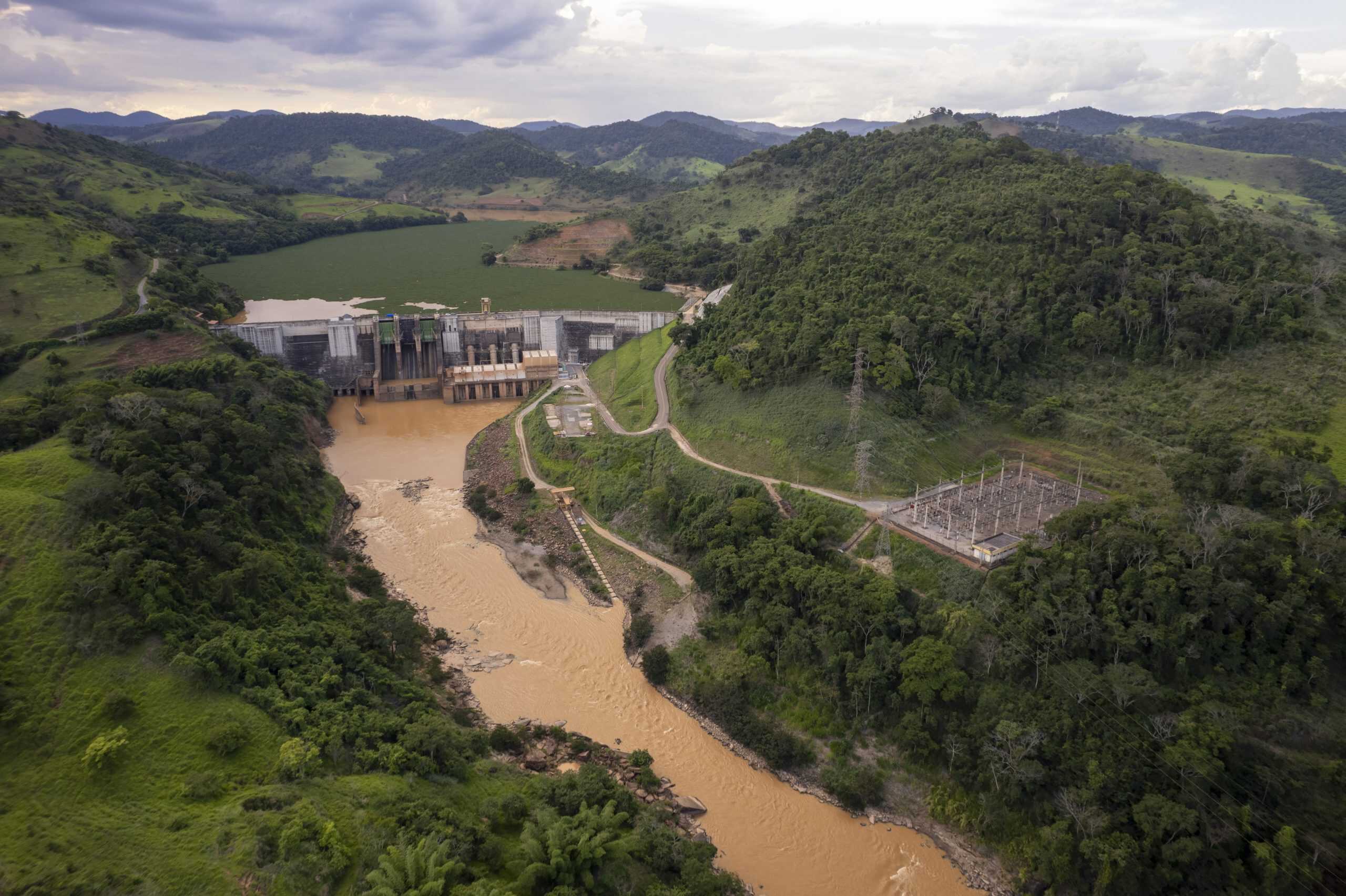
The Samarco Dam Disaster, also known as the Mariana Dam collapse, was a catastrophic failure with significant causes and consequences. At the heart of the tragedy were extensive design and drainage flaws in the Fundão tailings dam, owned by Samarco, a joint venture between Vale and BHP Billiton. The disaster resulted in the release of toxic iron ore waste, destroying entire communities and causing severe environmental damage.
Timeline of the Fundão Dam Collapse
On November 5, 2015, the Fundão tailings dam, part of the Germano mine complex, failed catastrophically. Located near the town of Mariana in Minas Gerais, Brazil, the dam collapsed without warning, leading to a massive mudslide. The unfolding disaster was swift, with the toxic sludge reaching locations downstream in a matter of hours. Samarco, along with its parent companies Vale and BHP Billiton, faced immediate scrutiny as investigations began to uncover the reasons behind the collapse. Eyewitness accounts and data analyses pointed to longstanding structural issues, specifically related to inadequate drainage and poor design, as the primary culprits behind this industrial tragedy.
Destruction of Bento Rodrigues and Paracatu de Baixo
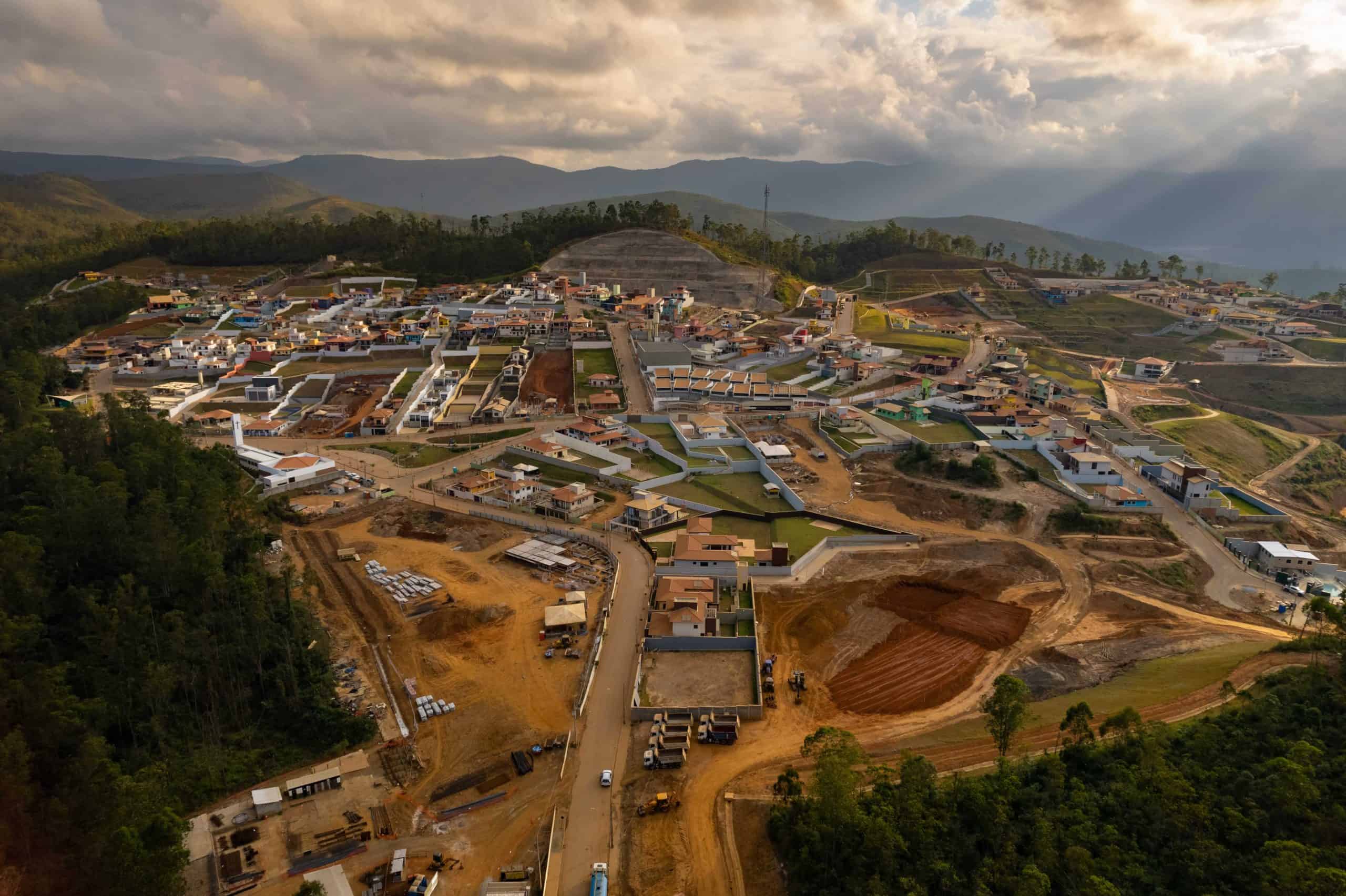
The collapse directly devastated the villages of Bento Rodrigues and Paracatu de Baixo. Located downstream from the Fundão dam, Bento Rodrigues was the first to experience the destructive power of the liberated sludge. Homes and entire lives were buried under the wave of toxic waste, leaving the community in shambles. Tragically, 19 lives were lost as families struggled to escape the rapid onslaught. Paracatu de Baixo, further along the Doce River’s course, also faced extensive damage, as the sheer volume of sediment overwhelmed the village’s infrastructure. Survivors found themselves displaced, their homes and livelihoods erased.
Release of Iron Ore Waste and Toxic Sludge
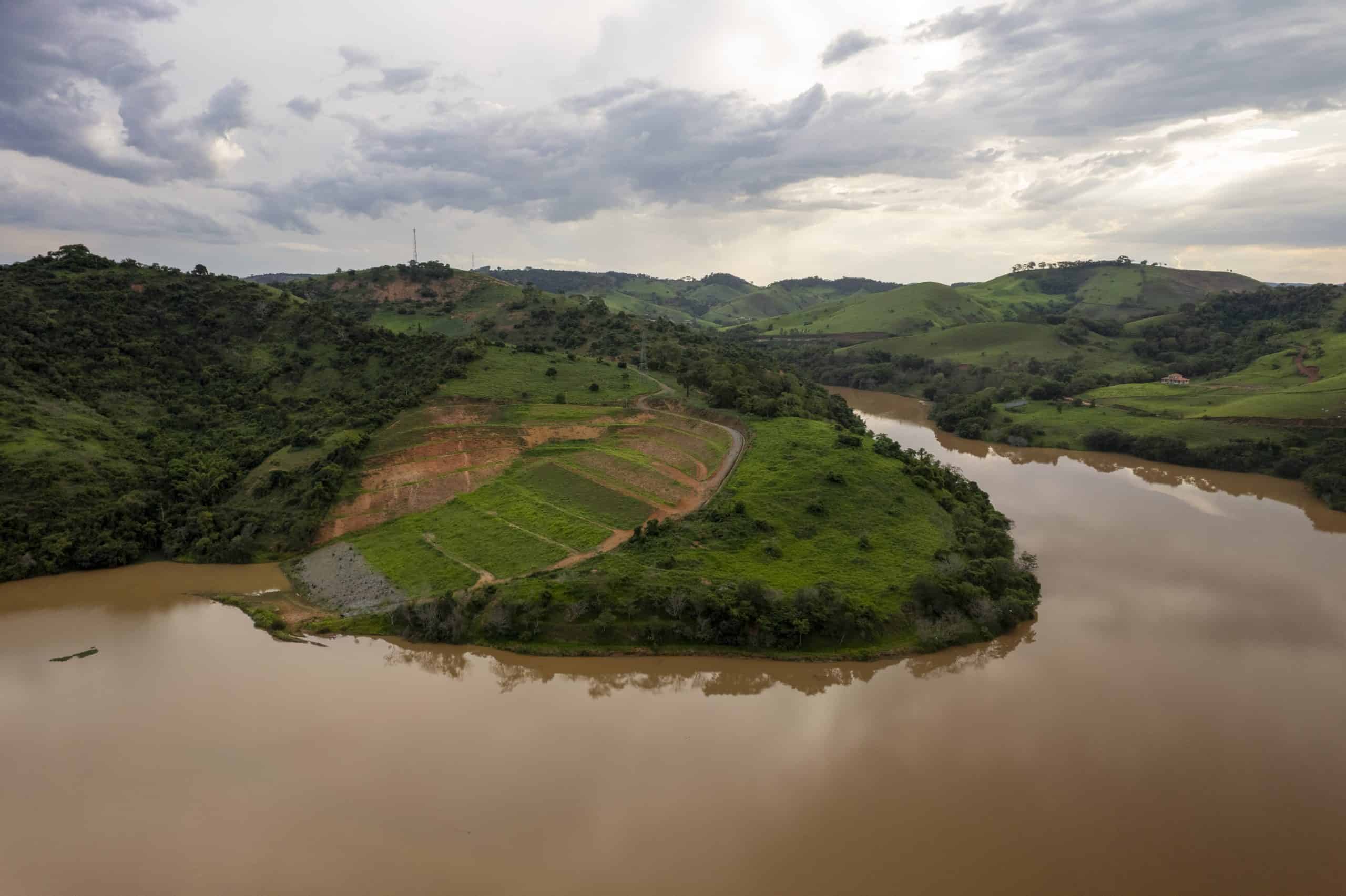
The Fundão dam held millions of cubic meters of waste from the extraction of iron ore, which, upon release, inundated the Doce River. The toxic mixture traveled over 600 kilometers, reaching the Atlantic Ocean after spreading destruction across multiple municipalities. The iron ore waste included pollutants that resulted in severe water contamination, killing aquatic life and rendering the river lifeless for an extended period. The environmental disaster prompted emergency response from Samarco and its shareholders, who initiated cleanup and monitoring efforts, albeit under intense legal and public pressure. The incident stands as Brazil’s worst environmental disaster, underscoring the urgent need for stricter regulatory oversight of mining operations.
Long-Term Environmental, Social, and Legal Consequences
The 2015 collapse of the Samarco dam has led to profound, enduring impacts. These encompass severe environmental degradation in the Doce River Basin, an ongoing humanitarian crisis with significant displacement, and complex legal battles involving accountability and corporate responsibility.
Devastation of the Doce River Basin
The disaster resulted in approximately 39.2 million cubic meters of tailings flooding into the Doce River and its tributaries, including the Gualaxo do Norte. This environmental catastrophe obliterated ecosystems, leading to the loss of biodiversity and contamination of water sources. In the aftermath, extensive recovery efforts have been administered by entities like the Renova Foundation. They aim to restore the river’s ecology and address water quality issues, but challenges continue as the region struggles to meet safe environmental standards. The destruction extended beyond the immediate environment, impacting agricultural practices and fisheries across the region, which were crucial for local livelihoods.
Humanitarian Crisis and Community Resettlement
The floodwaters triggered a humanitarian crisis with severe implications for communities in Barra Longa and similar areas. Over 4,000 people were displaced, and entire neighborhoods were destroyed. Efforts to resettle affected communities have faced significant challenges, including inadequate compensation and lengthy delays in reconstruction. Despite these difficulties, organizations and movements like the Movement of People Affected by Dams advocate for improved living conditions and fair compensation. The psychological and socio-economic toll on residents is profound, exacerbated by struggles in securing livelihoods and rebuilding a sense of community amid the ruins.
Accountability, Litigation, and Corporate Responsibility
The legal ramifications for companies involved, including Vale and BHP, are extensive. BHP Billiton Brasil faces substantial legal liabilities as a result of multiple lawsuits, including a landmark class action that seeks billions in damages. These legal proceedings compel a reevaluation of corporate responsibility and risk management practices, particularly in response to failures in ensuring a social license to operate. Additionally, lessons are drawn from comparisons with events like the Brumadinho dam disaster, highlighting crucial gaps in regulation enforced by bodies such as the National Department of Mineral Production. Active litigation and ongoing discourse emphasize an urgency to strengthen preventative measures and establish stringent accountability standards in the industry.