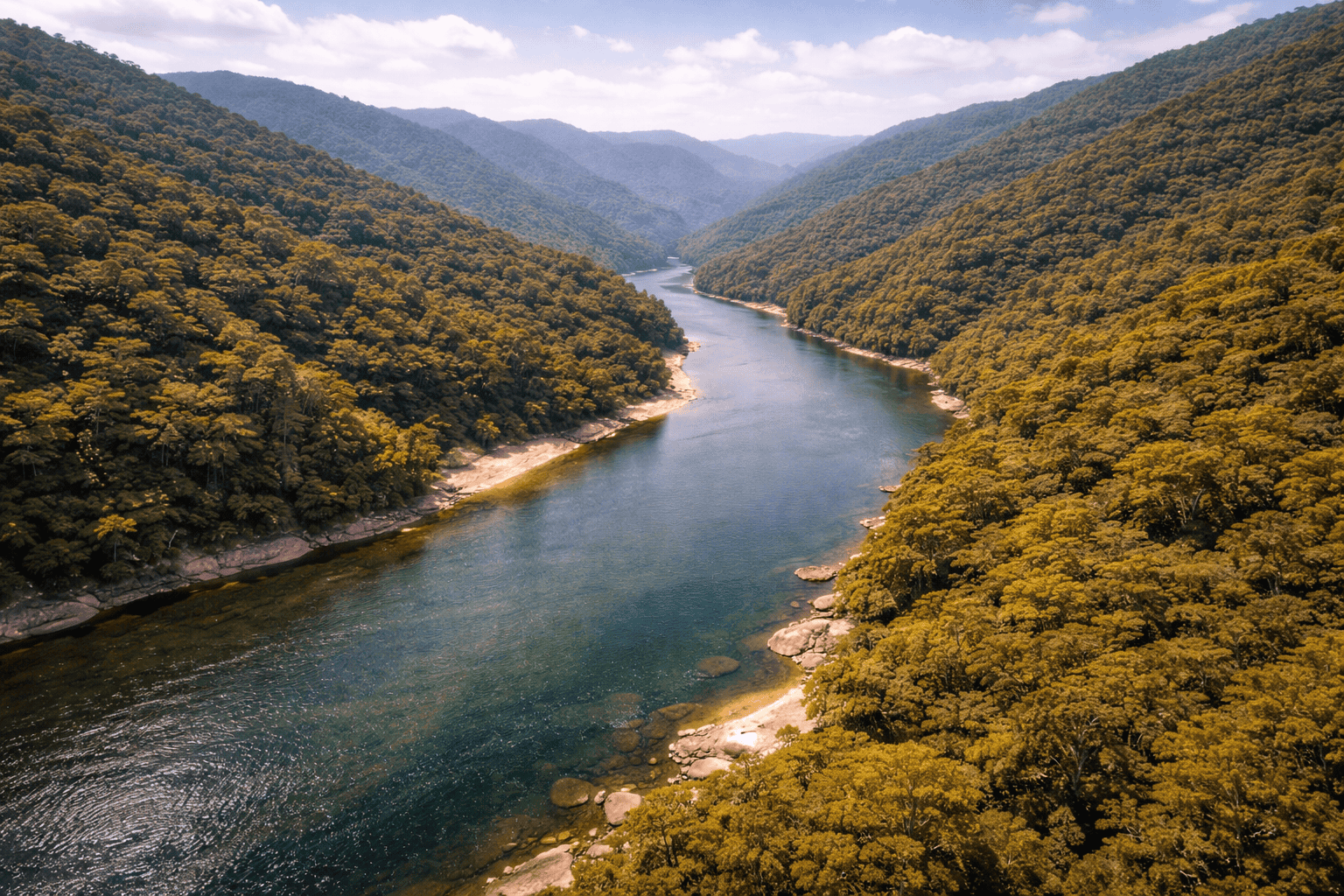
The Reparação Bacia do Rio Doce initiative represents a significant effort to address the profound impacts of the Fundão dam collapse, which devastated the Rio Doce basin, affecting regions in Minas Gerais and Espírito Santo. This comprehensive agreement is crucial as it encompasses compensation for individual damages, environmental restoration, and socio-economic recovery with a focus on communities such as indigenous and traditional groups. Engaging these groups ensures a just recovery process that builds resilience and mitigates long-term consequences.
The new accord signed in 2024 serves as a landmark for collaborative restoration efforts between the Brazilian government, Samarco, and other stakeholders. Through joint efforts, the initiative has facilitated financial indemnities and supported ecological rehabilitation projects. Approximately 288,600 individuals have benefited from financial aid, reflecting an essential commitment to benefiting those directly and indirectly affected.
The implementation of this agreement has sparked various societal debates, given the scale and complexity of the damages. The process also highlights innovative approaches in addressing ecological and community recovery, such as digital transformation tools employed for revitalization efforts. Embracing modern technologies and strategic collaborations, the Reparação Bacia do Rio Doce initiative provides insight into comprehensive disaster recovery strategies.
The Fundão Dam Collapse: Impact and Initial Response
The collapse of the Fundão dam at Samarco in 2015 led to severe social and environmental consequences in Brazil, particularly for the communities and ecological systems within the Rio Doce basin. The disaster demanded immediate action from numerous stakeholders, including local and national governments and various organizations.
Disaster Overview and Affected Areas
On November 5, 2015, the Fundão tailings dam located at the Germano iron ore mining site in Mariana, Minas Gerais, experienced a catastrophic failure. This incident involved the release of millions of cubic meters of iron ore tailings, severely affecting the surrounding landscape. The torrent of sludge swept through nearby villages such as Bento Rodrigues and Paracatu de Baixo, with repercussions felt as far as 668 km downstream, reaching the Atlantic Ocean. The event marked a turning point for the region, bringing about the displacement of families and massive destruction across the area. Major cities including Governador Valadares and Colatina faced environmental and infrastructural challenges due to the polluted waters of the Doce River.
Immediate Social and Environmental Consequences
The social impact was profound with the loss of 19 lives and the displacement of approximately 220 families. Infrastructural devastation included the destruction of homes and buildings, with many communities losing their livelihoods. Environmentally, the release of tailings polluted the Doce River, affecting water quality and disrupting ecosystems. The silty sludge caused significant harm to aquatic life, soils, and watercourses. Fishing and agriculture were severely compromised, affecting the food security and economic stability of the local population. The collapse highlighted the pressing need for rapid restoration efforts and environmental assessments to mitigate the contamination and support recovery initiatives.
Engaged Stakeholders and Organizations
In response, a multitude of stakeholders became involved. These included Samarco, a joint venture between Vale and BHP Billiton, and Fundação Renova, an organization established to manage reparative efforts. The Comitê Interfederativo (CIF), Ministério Público de Minas Gerais, and other governmental bodies like IBAMA steered initiatives for rehabilitation. Other entities such as the state governments of Minas Gerais and Espírito Santo along with various public ministries played crucial roles. Programs spearheaded by these bodies aimed to address the socio-economic and environmental damages, ensuring accountability, and fostering collaboration among affected communities and organizations for long-term recovery. The involvement of various public and private actors was essential in navigating the complex landscape of post-disaster recovery and ensuring a comprehensive response to the crisis.
Legal Framework and Agreements Guiding Reparations
The legal approach to reparations for the Rio Doce basin centers around structured agreements and frameworks. These establish the commitments and responsibilities of the involved parties, ensuring transparency and comprehensive action in response to the 2015 dam collapse. Key elements include the Termo de Transação e Ajustamento de Conduta and the transition to the Novo Acordo do Rio Doce, each supported by oversight mechanisms to enforce accountability and effectiveness.
Termo de Transação e Ajustamento de Conduta (TTAC)
The Termo de Transação e Ajustamento de Conduta (TTAC) was a foundational legal agreement aimed at addressing the socio-environmental damages caused by the Fundão dam disaster. Signed in March 2016, it involved multiple stakeholders, including the federal government, the states of Minas Gerais and Espírito Santo, and Samarco Mineração S.A. The TTAC outlined specific obligations for rehabilitation and compensation efforts. Key components involved cleanup and recovery actions, with stringent deadlines for various phases of project implementation. It established the Interfederative Committee (CIF), which monitors compliance and progress. Stakeholders such as public prosecutors and defenders play a vital role in ensuring adherence to the commitments specified in the TTAC, making it a critical instrument for overseeing the initial phases of reparative actions.
Transition to the Novo Acordo do Rio Doce
Following the inadequacies in addressing the widespread socio-economic and environmental impacts, the Novo Acordo do Rio Doce emerged to bring structured improvements. Homologated by Brazil’s Supreme Federal Court (STF) in 2024, this new agreement revamped the efforts initially outlined by the TTAC. It involves a comprehensive framework emphasizing enhanced transparency and broader community involvement, focusing heavily on innovative reparation and indemnity mechanisms. The agreement emphasizes direct engagement with those affected, aiming for stronger accountability and more effective measures. Samarco, in partnership with federal and state governments, shoulders the responsibility for implementing reparative actions, with goals including the completion of resettlements and continued environmental restoration.
Oversight and Governance Mechanisms
The establishment of robust oversight mechanisms is fundamental to the enforcement of these agreements. The Interfederative Committee (CIF) plays a pivotal role by providing multi-level governance and ensuring adherence to reparative commitments. It includes representatives from the federal government, affected states, and affected communities, allowing for a diverse range of inputs and monitoring capabilities. The history of actions executed under the agreements, including the 42 programs from the now-defunct Fundação Renova, can provide valuable lessons for future projects. Public Ministry and Public Defenders, alongside CIF, work to uphold the legal agreements and provide oversight. These bodies aim to ensure that reparations are executed faithfully and justly, reflecting the evolving needs and realities of the impacted communities.
Implementation of Reparative Programs
The implementation of reparative programs for the Rio Doce basin has evolved to incorporate a variety of stakeholders, programs, and financial processes. Key entities such as Fundação Renova, Samarco, and government bodies are instrumental in driving these initiatives.
Evolving Roles: Fundação Renova, Samarco, and New Stakeholders
Fundação Renova initially spearheaded the reparative efforts, focusing on responding to environmental, social, and economic damages. In 2024, the roles of Samarco and new stakeholders expanded. Samarco now collaborates with federal and state entities to enhance support measures. This evolution is marked by the inclusion of municipalities joining the collaborative framework.
The involvement of indigenous and traditional communities remains central. Programs addressing their specific needs are administered with increased input from these groups. New administrative structures facilitate community participation, emphasizing the importance of on-ground perspectives.
Structure and Evolution of the 42 Reparative Programs
The 42 reparative programs, once managed solely by Fundação Renova, are now part of a more integrated system, showing significant growth and adaptation. These programs target a broad spectrum of areas including health, infrastructure, and economic support through the Programa Indenizatório Definitivo (PID).
Indigenous community involvement ensures the alignment of programs with local needs. The creation of environmental protection areas exemplifies these adaptive methods. The New Bento Rodrigues area and other localities like Paracatu have been focal points for community-centric development within these programs.
Financial Aid and Indemnification Processes
Financial aid through the Auxílio Financeiro Emergencial and Lucro Cessante compensations form the cornerstone of the reparative initiatives. The Central de Relacionamento Reparação Bacia do Rio Doce plays a vital role in managing inquiries and support related to these processes.
The PID provides long-term financial security for affected individuals. Efficient, transparent processes underlie these financial support systems. Emphasis is placed on streamlining operations to ensure timely aid delivery, using tools like centralized communication portals to facilitate the distribution and tracking of funds.
Environmental Recovery and Monitoring Activities
The environmental recovery and monitoring activities in the Rio Doce Basin focus on assessing water and sediment quality, managing contaminated areas, and implementing integrated planning strategies. These efforts are supported by detailed programs and partnerships aimed at ensuring a comprehensive response to ecological damage.
Quality and Monitoring of Water and Sediments
The quality and monitoring of water and sediments in the Rio Doce are crucial for determining the extent of contamination and guiding recovery efforts. The Programa de Monitoramento Quali-Quantitativo Sistemático (PMQQS), also known as Program PG 38, plays a key role in this domain. It conducts systematic and continuous monitoring of over 100 physical, chemical, and biological parameters in the waters and sediments. The GTA-PMQQS guidelines provide the framework for this monitoring initiative.
Agencies like ANA and IBAMA are actively involved, ensuring that the data collected is comprehensive and actionable. The monitoring efforts are particularly focused on establishing a baseline for water quality and measuring changes over time. This helps assess progress and the effectiveness of recovery activities.
Management of Contaminated Areas and Sediment Removal
Removing contaminants and managing sediment effectively are critical components of the environmental recovery strategy in the Rio Doce Basin. Techniques for the removal of sediments prioritize reducing environmental risks and safely disposing of hazardous materials. Comprehensive management of contaminated areas involves identifying hotspots of contamination and implementing targeted interventions.
Organizations work collaboratively to develop protocols for sediment assessment and removal. These actions are guided by scientific analyses to ensure they are effective and environmentally sound. The use of advanced technologies and methodologies is crucial to minimize ecological impact during the recovery process.
Integrated Environmental Recovery Planning
The Integrated Environmental Recovery Planning aims to unify various recovery efforts under a cohesive strategy. This plan involves aligning actions from health, social services, and environmental management to reinforce the recovery process. The proactive collaboration among stakeholders enables a holistic approach to restoring the basin’s natural resources.
The integrated plan also emphasizes the restoration of socio-economic conditions in affected communities. Input from local populations, including indigenous and traditional groups, is crucial to develop solutions that are sustainable and culturally sensitive. Such an approach enhances the resilience of local ecosystems and supports long-term recovery goals.
Accountability, Community Engagement, and Communication
Ensuring accountability and fostering community engagement are central to the reparative initiatives in the Rio Doce Basin. Effective communication plays a crucial role, helping to bridge gaps between stakeholders and ensuring informed participation.
Reporting, Transparency, and Documentation
Accountability in the repair efforts is maintained through rigorous reporting and documentation. The establishment of comprehensive systems ensures that actions taken are both transparent and traceable. Annual reports are compiled to document progress and allocate responsibility. These reports, available through the Portal de Monitoramento, offer stakeholders and the public insights into the efforts and results achieved. The involvement of entities such as the Grupo Técnico de Acompanhamento (GTA) and the Ministério Público de Minas Gerais reinforces transparency. Such bodies work collaboratively to ensure the faithful execution of the agreement provisions. These measures underpin the institutional commitment to an accountable process, intended to rebuild trust among the affected populations.
Community Centers and Relationship Channels
To strengthen community ties and facilitate communication, localized community centers serve as key hubs. These centers act as central points for information dissemination and offer relationship channels with the public. The establishment of services such as the Central de Relacionamento and a dedicated 0800 031 2303 hotline provides direct support and assistance to the impacted communities. These platforms not only convey critical information but also enable residents to voice their concerns and receive timely responses. Aiming for an inclusive and participatory approach, these channels ensure that community members are not passive recipients of information but active participants in the recovery process.
Continuous Stakeholder Engagement
Engaging stakeholders continuously is vital to maintaining momentum and ensuring that diverse perspectives are included in the rehabilitation process. The Comitê Interfederativo facilitates stakeholder involvement by coordinating between government bodies, companies, and the affected communities. Regular consultations and participation in the decision-making process encourage a collaborative environment. Such engagement is crucial as it ensures that all parties are aligned in their objectives and can address challenges proactively. By fostering a sense of ownership and responsibility among stakeholders, the reparative efforts aim to be more sustainable and effective in the long term.