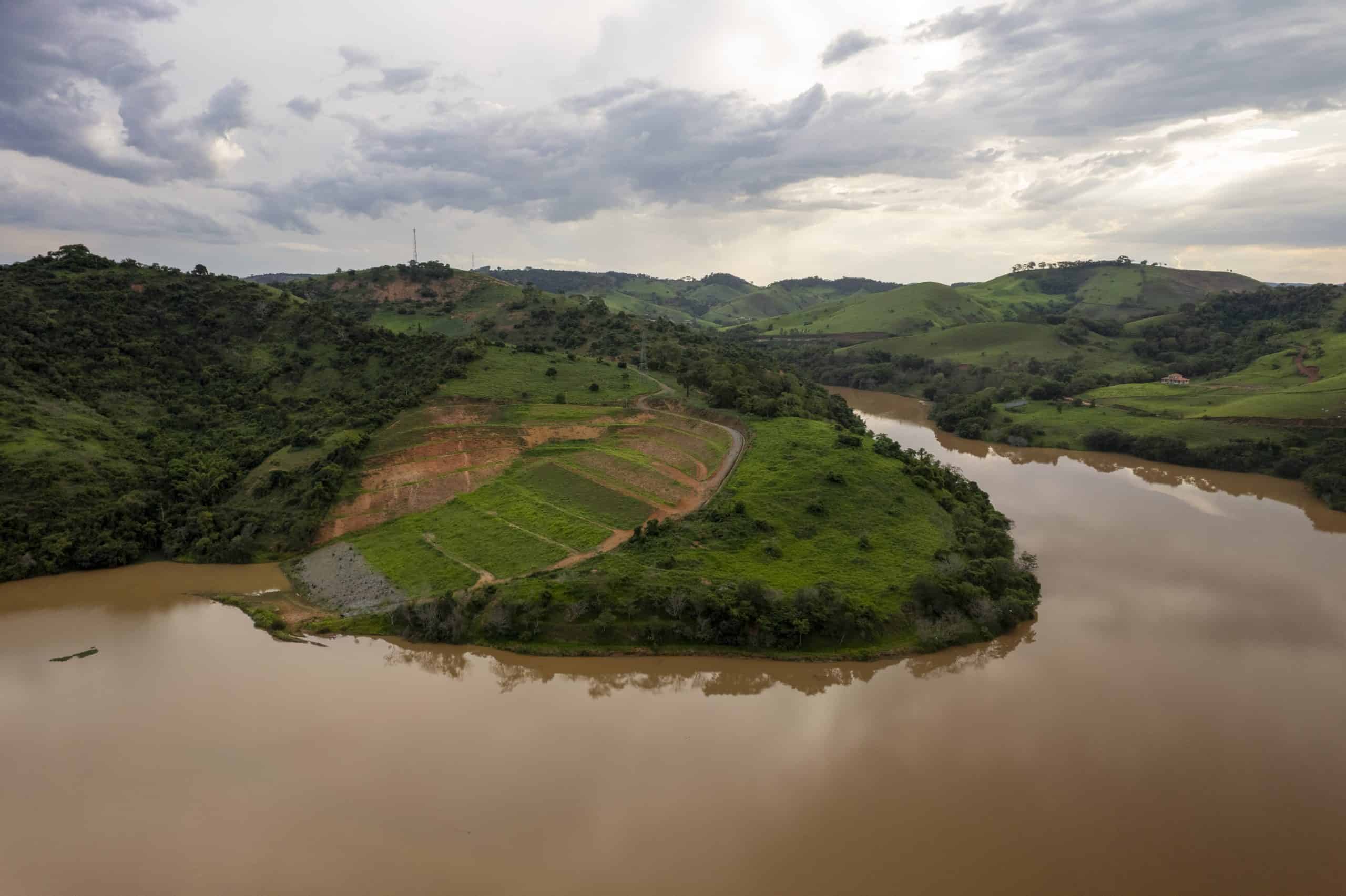
On November 5, 2015, a catastrophic dam failure occurred in Mariana, Minas Gerais, Brazil, marking the country’s worst environmental disaster. The collapse of the Fundão tailings dam, operated by the Samarco company, released millions of cubic meters of mining waste. This disaster spread pollutants over 668 kilometers, severely affecting the Rio Doce river and its surrounding ecosystems.
The immediate aftermath brought attention to the serious ecological damage, impacting water quality and displacing entire communities. Reports have shown the long-term effects on both human health and environmental conditions, sparking worldwide discourse on mining practices and regulatory standards. This disaster serves as a critical case study for countries dealing with similar infrastructure and environmental challenges.
Background and Causes of the Mariana Dam Disaster
The Mariana Dam Disaster, a catastrophic event in Brazil, involved the collapse of the Fundão Tailings Dam. This disaster highlighted critical issues with mining operations and the responsibilities of companies involved.
Fundão Tailings Dam and Mining Operations
The Fundão Tailings Dam was part of a complex operated by Samarco, jointly owned by Vale and BHP Billiton. Situated in Minas Gerais, it was primarily used to store waste from iron ore extraction. Tailings dams are crucial in mining as they contain by-products that include toxic substances.
Mismanagement and inadequate safety regulations, coupled with pressure to maximize production, contributed to structural vulnerabilities. There were warnings before the dam’s failure that indicated potential stability risks, but these concerns were not effectively addressed by the responsible entities.
Details of the Dam Collapse
On November 5, 2015, the Fundão Dam failed, releasing approximately 40 to 60 million cubic meters of toxic tailings into the environment. The collapse unleashed a torrent of mud that devastated the nearby village of Bento Rodrigues, resulting in 19 fatalities and widespread ecological damage.
The surge of sludge contaminated the Doce River, affecting communities along its path and reaching Atlantic coastlines. The immediate cause of the collapse was linked to instability in the dam structure, exacerbated by poor maintenance and monitoring.
Role of Mining Companies
Samarco, Vale, and BHP Billiton were jointly responsible for the dam’s oversight. The disaster raised questions about corporate responsibility and regulatory compliance. Investigations revealed gaps in risk management practices and a lack of robust response plans to mitigate potential tailings dam failures.
Critics argue that the companies prioritized economic gains over environmental and community safety. In the aftermath, legal actions and fines sought to hold these entities accountable for the socio-economic and environmental impact of the collapse.
Effective reforms and enhanced safety protocols in mining operations remain essential to prevent recurrences of such disasters. These efforts include stricter regulations and continuous monitoring of tailings dams to protect communities and ecosystems.
Immediate and Long-Term Environmental and Social Impacts
The Mariana Dam Disaster brought catastrophic environmental damage and complex social challenges. This section details the ecological destruction, community impact, and widespread contamination resulting from the dam breach.
Environmental Damage and Contamination
The breach of the Fundão Dam released millions of cubic meters of toxic mining waste into the surrounding environment. This iron ore waste contaminated large areas, leading to the destruction of flora and fauna in the Mariana district.
Toxic sludge infiltrated local water bodies, polluting the soil and severely affecting biodiversity. Contamination spread through the ecosystem, creating long-lasting consequences for wildlife and natural habitats. The environmental repercussions continue to impact the region, with efforts to restore the ecological balance hindered by the scale of the disaster.
Impact on Local Communities
Communities such as Bento Rodrigues faced devastation as homes and infrastructure were swept away. Thousands were displaced, losing their properties and livelihoods. The affected people encountered immediate challenges, including access to clean water and basic necessities.
The disaster inflicted substantial socio-economic impacts on these communities. Local economies reliant on agriculture and fishing were devastated by the contaminated lands and waters. Long-term health concerns emerged from exposure to the hazardous substances released by the collapse, affecting the well-being of residents in the area.
Spread of Toxic Sludge and Mining Waste
The dam’s failure resulted in the uncontrolled release of toxic sludge and mining waste, which spread across vast areas. The flow of debris and toxic mud engulfed river systems and valleys, creating a widespread trail of contamination.
With vast quantities of waste material extending across landscapes, the spread of these pollutants posed severe risks. Restoration efforts faced significant challenges given the magnitude of contaminant dispersal, impacting water quality and agricultural productivity over extensive regions.
Effect on the Rio Doce and Atlantic Ocean
The disaster’s impact reached the Rio Doce, a crucial waterway, contaminating it with high levels of pollutants. The spill pushed further downstream, reaching the Atlantic Ocean. The water pollution disrupted aquatic ecosystems and threatened marine life far from the original site.
Species dependent on clean waterways suffered, and the presence of toxic waste altered the riverine and coastal environments. The contamination of the Espírito Santo coast emphasized the far-reaching environmental consequences, demonstrating the extensive geographic spread and complexity of restoring these affected areas.
Legal Actions and Compensation Efforts
The aftermath of the Mariana Dam Disaster led to significant legal actions and compensation negotiations. Authorities and organizations have been involved in establishing frameworks to address environmental damages, collective lawsuits, and individual compensation claims.
Environmental and Collective Lawsuits
Following the disaster, numerous environmental lawsuits were initiated. Collective legal actions were pursued against the responsible mining companies to address widespread ecological damage. These lawsuits focused on holding the companies accountable for negligence and enforcing environmental rehabilitation.
The Court of Appeal in Brazil played a crucial role in hearing these cases. This court ensured that the legal proceedings established proper liability for environmental harm. Decisions from high courts also reinforced the importance of stringent penalties to prevent future disasters.
Roles of Renova Foundation and Brazilian Authorities
The Renova Foundation was established to lead the rehabilitation process. Its mandate included implementing programs for environmental recovery and social-economic support for affected communities. Brazilian authorities, in collaboration with this foundation, focused on monitoring and evaluating the progress of these initiatives.
They have emphasized transparency and accountability. The foundation plays a key role in allocating and managing funds earmarked for environmental and community restoration. Government agencies collaborate with Renova to ensure compliance with established plans and legal standards.
Compensation for Claimants
Compensation processes for claimants are a cornerstone of the collective recovery effort. Legal frameworks set by authorities delineated the compensation distribution among affected individuals and communities. A significant settlement agreement resulted in R$170 billion allocated for reparations.
Out of this, R$6.1 billion was specifically earmarked for affected municipalities. Claimants have sought legal assistance to facilitate their compensation claims, often guided by firms like Pogust Goodhead. These efforts aim to provide adequate redress for losses incurred while promoting long-term recovery and stability.