The Mariana Dam Disaster represents one of the most severe environmental tragedies in Brazil’s history, triggered by a catastrophic failure on November 5, 2015. This failure led to the release of approximately 43.7 million cubic meters of toxic sludge, which wreaked havoc on communities and ecosystems downstream. Nineteen lives were lost, and the impact stretched across hundreds of kilometers, affecting the Rio Doce river and many riverside communities.
Apart from the immediate devastation, the collapse had far-reaching consequences on the livelihoods of over two million people in the region. Economic disruption and significant legal battles ensued, involving major mining companies like Samarco, BHP, and Vale. As legal proceedings continue in courts, many communities still await justice and full compensation for their losses, highlighting the enduring struggle for environmental accountability in industrial operations.
In the years following the disaster, there has been a focus on reassessing and improving mining safety regulations to prevent future occurrences. While some measures have been implemented, the past occurrences still cast a long shadow over Brazil’s environmental policy landscape as communities demand stringent oversight and better disaster preparedness.
Mariana Dam Disaster Overview
The Mariana Dam Disaster, occurring in November 2015, marks a significant environmental catastrophe as the Fundão tailings dam near Mariana, Minas Gerais, failed, releasing millions of cubic meters of toxic sludge. This event significantly impacted local ecosystems and communities, causing loss of life and severe environmental damage.
Timeline and Location of the Collapse
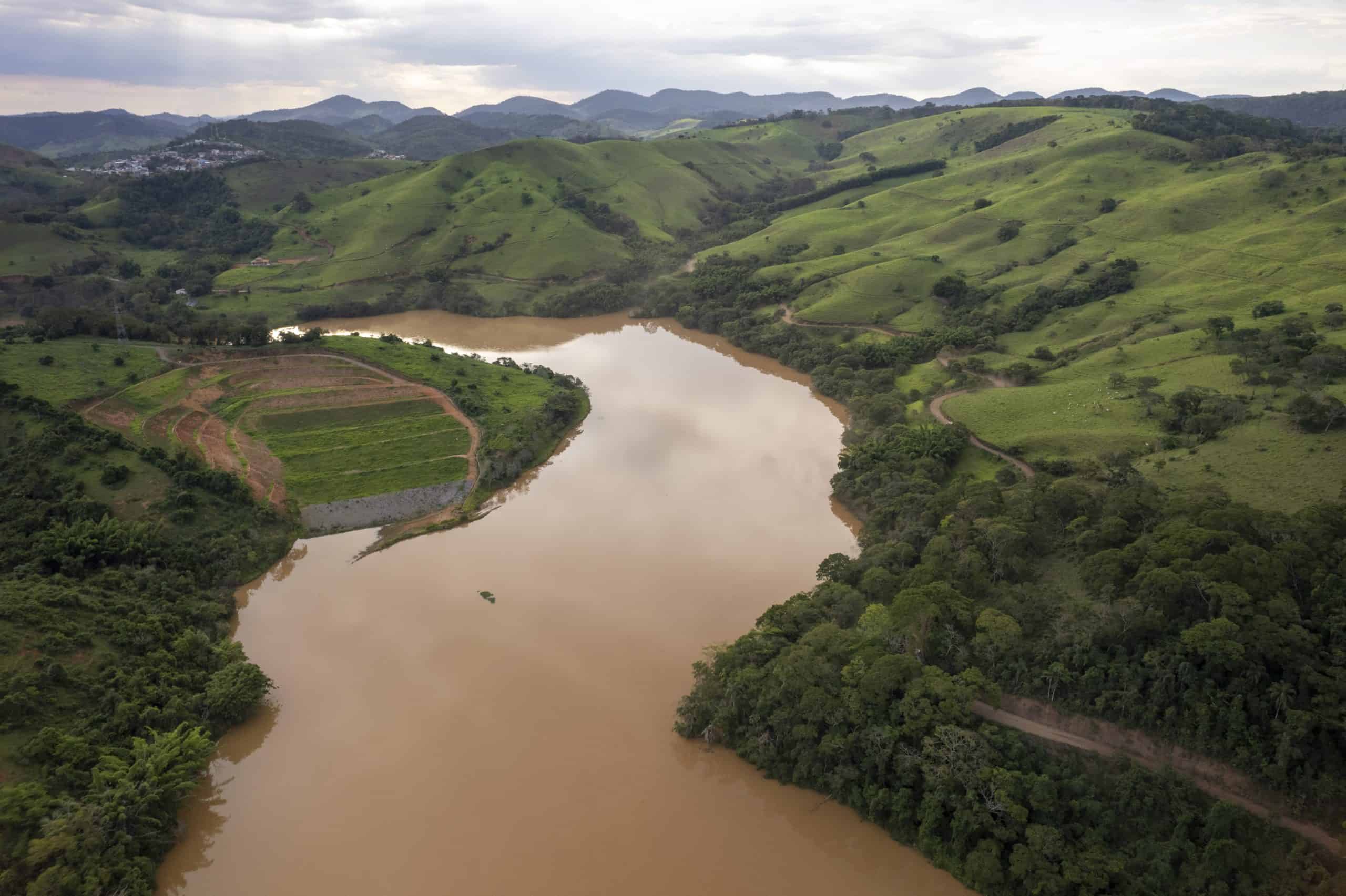
On November 5, 2015, the Fundão tailings dam at the Germano iron ore mine, operated by Samarco, collapsed. The mine is located near the city of Mariana in the state of Minas Gerais, Brazil. This catastrophic failure unleashed a substantial mudflow, affecting vast areas downstream, including the village of Bento Rodrigues. The torrent of mining waste spread across approximately 500 kilometers, eventually reaching the Atlantic Ocean. The sudden release of tailings caused heavy contamination in the Doce River, turning its waters toxic and irreversibly damaging aquatic ecosystems. This disaster is recognized as one of the worst environmental incidents in Brazil’s history and highlighted significant flaws in dam safety regulations.
Ownership and Key Responsible Parties
The Fundão tailings dam was managed by Samarco, a joint venture between two major mining companies, Vale and BHP Billiton (now simply BHP). These corporations held significant responsibility due to their control over the joint company’s operations. At the time of its collapse, the dam was integral to Samarco’s iron ore extraction operations. Accountability debates have ensued over the years, with various legal actions targeting Samarco along with its parent companies. These legal proceedings emphasize the need for corporate responsibility and strict adherence to safety regulations in the mining sector. The disaster’s aftermath has seen ongoing international scrutiny and a push for improved oversight to prevent future catastrophes.
Immediate Human and Environmental Impact
The immediate impact of the dam’s failure was devastating. Nineteen lives were lost, while entire communities were engulfed by the fast-moving toxic mudflow. Villages like Bento Rodrigues suffered near-total destruction, displacing hundreds of residents. The environmental toll was equally alarming, with around 40 million cubic meters of mining waste contaminating the Doce River, devastating plant and animal life over hundreds of kilometers. The toxicity of the sludge further compromised the quality of water resources vital to local communities. These extensive damages have led to protracted struggles for fair compensation and environmental remediation for the affected regions, underscoring the profound and enduring consequences of the disaster.
Long-Term Consequences, Response, and Legal Proceedings
The Mariana Dam disaster had profound ramifications, not only on the environment but also on the local communities and the legal landscape. It led to significant environmental destruction, socio-economic challenges, and complex legal proceedings involving numerous parties.
Environmental and Ecological Damage
The collapse of the Fundão tailings dam near Mariana in 2015 released over 60 million cubic meters of toxic sludge, devastating the Rio Doce and impacting ecosystems across Minas Gerais and Espírito Santo. Aquatic life was severely affected, with pollution disrupting habitats and contaminating water supplies. The Renova Foundation was established to handle restoration efforts, yet recovery has been slow. Continuous monitoring highlights ongoing challenges in ecosystem rehabilitation. The disaster put a spotlight on the environmental policies regulating mining operations, emphasizing the need for stricter enforcement and more robust disaster preparedness strategies to prevent recurrence.
Humanitarian Crisis and Social Repercussions
The disaster triggered significant social upheaval, displacing entire communities and causing long-term humanitarian challenges. The loss of livelihoods and homes led to widespread distress, exacerbated by inadequate initial response efforts. The Movement of People Affected by Dams emerged as an influential advocacy group, demanding justice and better support. Many affected individuals are still struggling with the socio-economic aftermath, highlighting persistent gaps in regional development and infrastructure. Issues related to health, education, and psychological trauma continue to affect survivors’ quality of life. The disaster underscored the urgency of creating more resilient social safety nets to support vulnerable populations in the wake of industrial accidents.
Legal Actions and Compensation Agreements
The Mariana Dam disaster sparked extensive legal proceedings, with numerous parties seeking compensation and accountability. Settlements have been reached with varying success, involving entities like Samarco, Vale, and BHP. The complexity of these legal actions is illustrated by international lawsuits, such as those in UK courts led by firms like Pogust Goodhead. Legal claims focus on damages, compensation agreements, and jurisdictional challenges, with the Supreme Federal Court playing a pivotal role. Compensatory measures remain contentious, as many victims argue for fairer settlements. These legal proceedings are pivotal in shaping corporate practices and influencing future regulatory frameworks to safeguard community interests more effectively.
Aftermath: Corporate Accountability and Regulatory Oversight
The disaster prompted a reevaluation of corporate accountability and regulatory oversight in the mining sector. Companies involved faced intense scrutiny, pushing for reforms aimed at enhancing operational safety standards. The Brumadinho Dam disaster in 2019 further highlighted systemic failures, leading to heightened calls for industry-wide changes. Brazilian authorities have since embarked on strengthening legislation to enforce stricter compliance and prevent similar incidents. However, debates persist over the adequacy of these reforms and the judicial system’s ability to enforce them. The pursuit of accountability remains central to the discourse, stressing the importance of sustainable and responsible mining practices to prevent future tragedies.