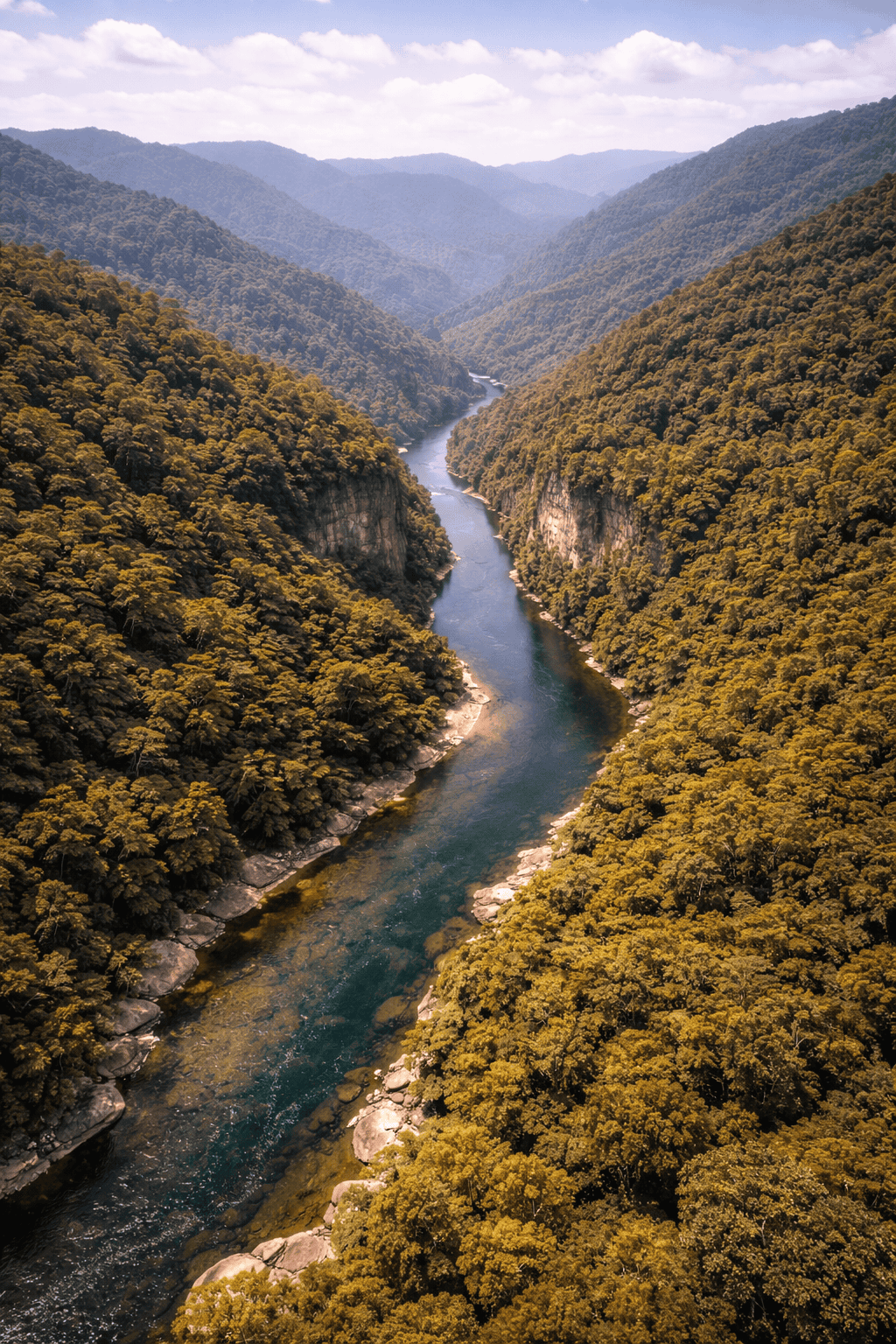
In 2015, Brazil witnessed one of its most devastating environmental disasters with the collapse of the Fundão tailings dam at Samarco. Situated in Minas Gerais, this catastrophic failure led to the release of mining waste, affecting vast stretches of the Rio Doce river and nearby communities. The disaster resulted in the tragic loss of 19 lives and caused significant social and ecological ramifications across the region.
The Samarco accident highlighted glaring vulnerabilities within mining practices and the urgency for stringent regulatory measures. The communities surrounding the affected areas have endured prolonged hardship, with efforts for reparations and restoration continuing years after the incident. Initial responses involved immediate cessation of Samarco’s operations, which only resumed with enhanced safety protocols five years later.
Ongoing legal battles have sought to hold those accountable for this disaster, particularly the prominent mining firms involved, BHP and Vale. Despite some reprieves in court rulings, significant financial penalties have been imposed. This incident not only reshaped Brazil’s environmental policies but also fueled global discussions on corporate accountability and sustainable mining practices.
The Samarco Accident: Overview and Key Facts
The Samarco accident represents a critical environmental catastrophe in Brazilian mining history. It involved the collapse of the Fundão tailings dam near the Germano mine, affecting the region drastically both ecologically and socially.
Timeline of Events
On November 5, 2015, two dams in the Mariana district, particularly the Fundão tailings dam, failed. This catastrophic failure released a torrent of iron ore waste into the surrounding regions. The immediate impact was devastating: 19 people lost their lives, and vast amounts of toxic sludge contaminated the Rio Doce. The progression of events saw these hazardous materials extending over 600 km downstream, severely impacting ecosystems and communities. Subsequent efforts focused on damage control and emergency responses, including reinforcing remaining dam structures in the Germano Complex. Over time, significant legal and financial repercussions emerged, including settlements and lawsuits involving the companies accountable for the disaster.
Location and Site Information
The disaster unfolded at the Germano mine complex, which encompasses the Fundão dam, located near the town of Mariana in the state of Minas Gerais, Brazil. The region, known for its mining activities, experienced one of its most severe environmental emergencies. The tailings dam was designed to hold by-products from iron ore extraction, yet its structural failure unleashed a catastrophic flow into the Rio Doce, a crucial waterway for eastern Brazil. Spanning multiple ecosystems, the Rio Doce is vital for both biodiversity and human settlements. The aftermath saw irreversible damage to the river and surrounding natural landscapes, prompting a deep evaluation of mining practices and environmental policies.
Overview of Involved Companies
Samarco, a joint venture between Vale, a prominent Brazilian iron ore exporter, and BHP Billiton, one of the largest mining companies globally, managed the Fundão dam. Both companies faced severe scrutiny following the dam’s collapse. Vale and BHP’s involvement included shareholder responsibilities and funding reparations through the Renova Foundation, aimed at addressing the disaster’s impact. Despite legal battles, a Brazilian court later absolved these entities from direct responsibility, though the broader implications for their reputations remained significant. The complexity of the financial settlements and liability discussions highlighted the intricate nature of corporate roles in large-scale environmental incidents.
Causes and Mechanisms of the Fundão Dam Collapse
The Fundão tailings dam collapse in 2015 was a catastrophic event that resulted from multiple contributing factors. Key causes included design flaws and engineering oversights, the destabilizing impact of liquefaction, and inadequacies in regulatory enforcement and safety practices.
Structural Failures and Engineering Factors
The Fundão dam collapse was largely attributed to significant design and engineering flaws. The tailings dam, operated by Samarco Mineração S.A., failed due in part to drainage and design weaknesses. These flaws included insufficient water management systems, inadequate monitoring and evaluation of dam stability, and errors in structural integrity assessments. Compounding these issues was the high level of financial pressure on the company, which prioritized cost-cutting measures over necessary infrastructure investments. Collectively, these elements compromised the dam’s resilience, failing to prevent the discharge of millions of cubic meters of mining waste into the environment.
Role of Liquefaction in the Collapse
Liquefaction played a critical role in the Fundão dam’s failure, as the event was initiated by a liquefaction flowslide. This phenomenon occurs when saturated soil or sediment temporarily loses its strength and behaves like a liquid, often triggered by seismic activity or increased load pressure. At Fundão, liquefaction was primarily caused by inadequate compaction and drainage within the tailings reservoir, which became unstable and collapsed. The rapid transformation of solid material into a fluid-like mass surged downstream, devastating local communities and severely impacting ecosystems in its path. Liquefaction’s contribution underscores the importance of proper management of water content and pressure in tailings dams.
Regulatory Oversight and Safety Practices
Regulatory oversight and safety practices surrounding the Fundão dam were criticized following the collapse. Despite the high-risk nature of tailings dams, existing regulations in Brazil at the time lacked stringent enforcement and comprehensive safety guidelines. Authorities failed to detect and address the critical vulnerabilities within the dam’s design and maintenance practices. Additionally, a sharp focus on economic performance further diverted attention from necessary risk management and prevention tools. This regulatory gap allowed for preventable oversights, paving the way for one of the most significant environmental disasters in the country’s history. Effective regulatory frameworks and their enforcement are crucial to prevent similar incidents in the future.
Environmental and Social Impact
The Samarco accident, involving the failure of the Fundão dam at the Germano mine, led to devastating consequences for the environment and affected communities. The disaster notably impacted villages, waterways, and ecosystems, along with displacing local residents, causing a humanitarian crisis.
Destruction of Bento Rodrigues and Paracatu de Baixo
Bento Rodrigues and Paracatu de Baixo were severely impacted by the dam collapse, with Bento Rodrigues being almost completely destroyed. The flow of mud and waste engulfed homes, infrastructure, and land, rendering the area uninhabitable. Families were forced to evacuate, losing homes, possessions, and livelihoods. The destruction not only displaced residents but also dismantled a tightly-knit community, eroding social ties and cultural heritage. Recovery efforts are significant, involving the relocation of displaced families and reconstruction of essential services. The adequacy of compensation and support provided by Samarco remains a point of contention among former residents and local authorities.
Spread of Contamination Through the Doce and Gualaxo do Norte Rivers
The collapse of the Fundão dam released millions of cubic meters of tailings that polluted the Doce and Gualaxo do Norte Rivers. This contamination spread significant quantities of toxic materials, leading to massive fish kills and severely degrading water quality. Riverine habitats faced extensive damage, leading to long-term impacts on biodiversity. Aquatic life suffered greatly, with species diversity dwindling in affected areas. This contamination also threatened drinking water supplies for millions of people dependent on these waterways. Efforts to mitigate the environmental damage include extensive cleanup operations and continuous monitoring, but the recovery process is slow and complex due to the scale of the contamination.
Humanitarian Crisis and Community Displacement
The disaster precipitated a significant humanitarian crisis, displacing thousands of individuals from towns such as Bento Rodrigues. Temporary shelters were established, offering basic necessities, yet these facilities often fell short of addressing the emotional and psychological needs of displaced families. Community members faced uncertainty regarding future resettlement opportunities and job prospects. The local economy, previously reliant on mining activities, suffered a substantial setback. The response efforts by Samarco, alongside governmental support, involved providing compensation and planning for the reconstruction of towns. Nonetheless, the adequacy of these efforts has been critically assessed by non-governmental organizations and affected families.
Long-Term Ecological Effects
The ecological ramifications of the Samarco accident extend well beyond immediate destruction. The deposited tailings altered soil compositions, causing issues for plant regrowth and agricultural productivity. As ecosystems struggle to recover, species that rely on river systems face continuing challenges in terms of habitat availability and water quality. The restoration of the environment entails addressing sediment deposition, soil contamination, and biodiversity loss. Researchers anticipate that full ecological recovery may require decades, with ongoing efforts to rehabilitate affected landscapes and reintroduce native species. Samarco’s role in these rehabilitation activities is crucial, requiring consistent evaluation and adaptation to ensure effective ecological restoration.
Legal Actions, Accountability, and Reparations
The Samarco dam collapse, one of Brazil’s most devastating environmental disasters, has led to extensive legal proceedings and efforts to ensure company accountability. These efforts include multiple lawsuits and negotiations over compensation and remediation for the victims and affected areas.
Litigation and Judicial Rulings
The legal landscape following the Samarco tragedy involves numerous lawsuits filed in Brazil and internationally. Samarco Mineração S.A., a joint venture between Vale S.A. and BHP Billiton, has faced significant legal scrutiny. A preliminary compensation agreement of $262 million addressed immediate needs, albeit with ongoing discussions for broader reparations. Pogust Goodhead, representing around 700,000 victims, has also filed legal actions against BHP in the UK, marking a significant step towards cross-border corporate accountability. Brazilian authorities continue to negotiate comprehensive settlements to resolve these disputes, with the aim of establishing just compensation and ensuring future adherence to legal and environmental standards.
Compensation Payments to Victims
Victims of the Samarco dam collapse have faced prolonged struggles for adequate compensation. Early agreements, such as the $262 million preliminary package, provided some relief, yet the impacted communities demand more comprehensive reparations. Efforts to secure appropriate compensation highlight the complexities involved in addressing such a widespread disaster. Municipalities still face critical decisions on whether to continue foreign claims or accept agreements settled in Brazil. As lawsuits continue, the focus is on ensuring that both immediate and long-term damages are properly addressed, with affected individuals receiving fair compensation for lost livelihoods and disruption.
Renova Foundation and Remediation Efforts
Fundação Renova, established by Samarco, Vale, and BHP Brasil, plays a key role in coordinating reparation and remediation efforts. It oversees 42 programs aimed at financial assistance, environmental repair, and community resettlement. Despite its efforts, criticisms persist regarding delays and the adequacy of responses. Progress has been made, with victims electing representatives to manage reparation processes, enhancing community involvement in decision-making. The Renova Foundation’s task remains substantial, as it works to reconcile community needs with corporate and legal obligations, promising a comprehensive approach to socio-environmental recovery. Efforts focus on creating sustainable solutions for the rebuilding and revitalization of the affected regions.


