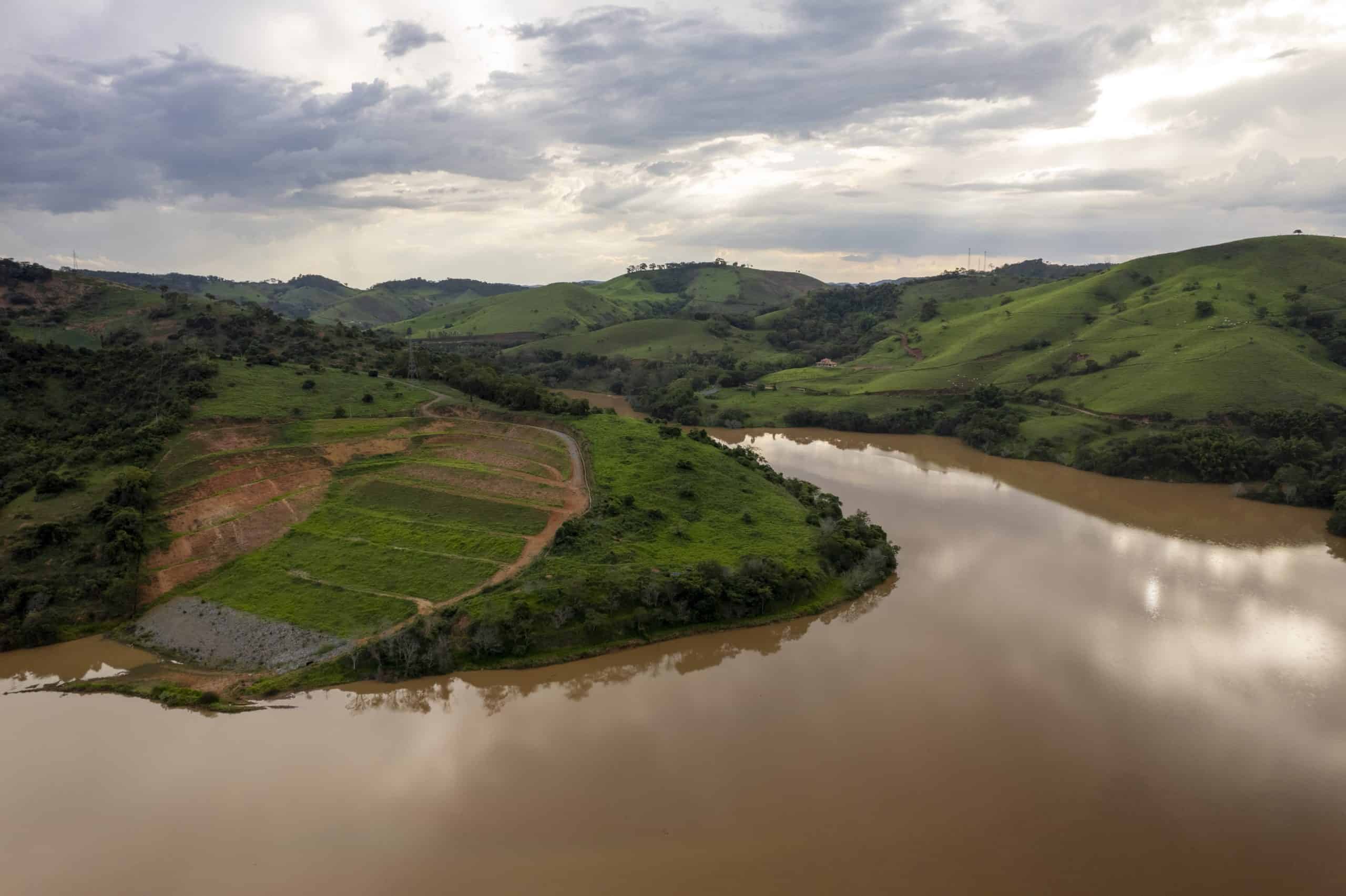
In November 2015, the town of Bento Rodrigues in Mariana, Brazil, faced a devastating disaster due to the collapse of the Fundão dam, which resulted in significant damage and displacement. In an effort to address this, Fundação Renova has been working on rebuilding and creating a new district for the affected families, providing a beacon of hope for these communities. Their initiative involves constructing homes, schools, churches, and essential infrastructure to ensure a functional and safe living environment.
As the reconstruction progresses, some families have already started moving into their new homes, marking a significant milestone in the recovery process. This resettlement not only signifies a fresh start for the families but also reflects an ongoing commitment to repairing the damages and restoring normalcy in the lives of those impacted by the tragedy.
In addition to the housing efforts, Fundação Renova collaborates with local authorities like the Mariana municipality to ensure comprehensive support for the new community. These efforts aim to provide not just physical structures but also a sense of community and security, highlighting the essential role of collaborative recovery initiatives in post-disaster scenarios.
Background of the Fundão Dam Collapse and Its Impact
The Fundão dam collapse in 2015 near Mariana, Minas Gerais, triggered Brazil’s most severe environmental disaster. The catastrophe impacted the districts of Bento Rodrigues, Paracatu de Baixo, and Gesteira, among others, and sparked significant legal and political repercussions. Key players involved included companies like Samarco, Vale, and BHP Billiton.
Details of the Disaster
On November 5, 2015, the Fundão tailings dam burst, releasing around 52 million cubic meters of mining waste. The dam was part of the Samarco Mariana Mining Complex, co-owned by Vale and BHP Billiton. The torrent of toxic metal-laden mud devastated Bento Rodrigues first, before destroying parts of Paracatu de Baixo and Gesteira. This flow severely affected the Doce River basin, stretching to coastal areas of Espírito Santo. The disaster claimed 19 lives and displaced hundreds, leading to it’s designation as the largest mining disaster in the world’s history.
Consequences for Bento Rodrigues and Surrounding Districts
Bento Rodrigues bore the brunt of the disaster, with homes and infrastructure obliterated in minutes. The impact extended to Paracatu de Baixo and Gesteira, rendering many residents homeless. The mud inundated over 600 kilometers of river channels, affecting water quality and local ecosystems. The social fabric of these communities was irreparably damaged. Displaced families faced long-term trauma and hardships. Efforts are ongoing to reconstruct these areas, with initiatives like the Renova Foundation attempting to foster recovery. Recovery has been slow, met with frustration over delays in rebuilding homes and providing adequate compensation to victims.
Legal and Political Developments
The catastrophe sparked a significant legal and political response, both nationally and internationally. Samarco, Vale, and BHP Billiton faced multiple lawsuits and a severe backlash for their role in the incident. Brazilian authorities and international advocacy groups demanded accountability and restoration. Legal proceedings sought to secure compensation for victims and environmental restoration. The Renova Foundation was established to guide remediation and compensation efforts, though their progress has been under scrutiny. Political discussions about mining regulations and safety intensified post-disaster, with federal and state bodies advocating for stricter policies to prevent recurrence.
Design and Construction of the New Bento Rodrigues District
The reconstruction of Bento Rodrigues, spearheaded by Fundação Renova in collaboration with local stakeholders, reflects a thoughtfully crafted project combining modern urban planning with community-centric development. This initiative not only addresses housing needs but also ensures the provision of essential infrastructure and promotes sustainability.
Urban Planning and Architectural Approach
Bento Rodrigues’ urban redevelopment was conceived with active community participation, ensuring the vision aligns with residents’ needs. The urban plan prioritizes functionality and cultural heritage, incorporating specific features like the Praça São Bento and the preservation of historical sites, including Igreja São Bento and Igreja das Mercês. The architectural approach is based on a blend of traditional and contemporary designs adopting architecture that echoes the region’s cultural identity while integrating modern living standards. Houses and public buildings were crafted with residents in mind, reflecting their lifestyles and preferences. Paisagismo further enhances the district’s aesthetics, offering green spaces promoting community interaction and environmental preservation.
Infrastructure Works and Facilities
Critical infrastructure works in Bento Rodrigues prioritized the basics and more, preparing it for future growth. The district now boasts modern public lighting systems enhancing safety and ambiance. Essential utilities include an Estação de Tratamento de Esgoto (ETE) and an Estação de Tratamento de Água (ETA), ensuring reliable sanitation and clean water access. The Praça do Encontro, a community gathering space, alongside the salão comunitário, serves as focal points for social activities and cultural events. Collective assets like these reflect a commitment to fostering a collaborative, vibrant environment, while public amenities and improved roads with piso intertravado pave the way for durable and aesthetic city living.
Sustainable Construction Initiatives
Sustainability remains at the heart of Bento Rodrigues’ redevelopment, with a strong focus on eco-friendly construction practices. Sustainable construction initiatives included the use of locally sourced materials and energy-efficient building techniques. Homes and public structures are designed to reduce environmental impact, featuring installations conducive to energy savings, such as solar panels and rainwater harvesting systems. Community education on sustainable living is also integrated, encouraging residents to actively participate in maintaining a low environmental footprint. The emphasis on sustainability extends beyond individual homes, influencing overall infrastructure and community planning to ensure long-term ecological balance and resilience.
Essential Public Services and Community Facilities
The reconstruction of Bento Rodrigues includes critical infrastructure focused on providing essential services and facilities. These services prioritize both the immediate needs and long-term well-being of the community, ensuring that residents have access to water, healthcare, education, and social services.
Water and Sanitation Systems
A crucial aspect of the new Bento Rodrigues is the implementation of comprehensive water and sanitation systems. The Serviço Autônomo de Água e Esgoto (SAAE) manages these systems, ensuring reliable services. The Estação de Tratamento de Água (ETA) plays a vital role, providing safe, potable water to the residents. Alongside this, the Estação de Tratamento de Esgoto (ETE) facilitates effective sewage treatment, improving public health and environmental conditions.
Efficient drainage systems are installed to handle rainwater and prevent flooding. These systems are meticulously designed to coexist with the residential and communal landscapes, contributing to the area’s sustainability. Residents benefit from services that aim to provide clean water and adequate sanitation at all times, enhancing their overall quality of life.
Healthcare and Education
The district features expanded healthcare and educational facilities. A Posto Avançado de Saúde ensures that essential medical services are readily available to community members, reducing the need for long-distance travel to access healthcare. This facility is staffed with healthcare professionals who offer routine check-ups, vaccinations, and emergency care.
Education is prioritized with the establishment of the Escola Municipal de Bento Rodrigues. This school is equipped with modern amenities to support a diverse curriculum, fostering a conducive learning environment. The focus on quality education and healthcare infrastructure reflects a commitment to improving community welfare and future opportunities for the district’s residents.
Collective and Social Services
Collective services in Bento Rodrigues are designed to facilitate community interaction and integration. A key feature is the linha de ônibus interdistrital, providing reliable transportation within the district and to nearby areas. This service enhances residents’ mobility, connecting them to larger city centers for employment and leisure.
Social services incorporate community centers that host workshops, recreational activities, and support groups. These facilities aim to strengthen communal bonds and enhance social cohesion among residents. Together, these services foster a supportive environment that encourages community engagement and personal growth, ensuring that the needs of all residents are met effectively.
Reparations, Compensation, and Socioeconomic Renewal
The devastation from the Mariana disaster prompted comprehensive initiatives targeting reparations and community rebuilding efforts. This section discusses the compensation processes, resettlement endeavors, and steps towards economic revitalization in the affected regions.
Compensation and Indemnities Process
After the disaster, a structured plan was crafted to provide compensation and indemnities to affected individuals. Efforts were directed towards acknowledging the extensive damages to livelihoods, properties, and communal resources. A fund was set aside, allowing the Renova Foundation to compensate victims, prioritizing fairness and transparency. Part of the initiative involved extensive documentation and validation to ensure deserving recipients received their dues, follow-up monitoring, and adjustments as needed to maintain accountability.
Resettlement Families and Collective Resettlement
Resettlement efforts played a crucial role in the relocation and rehabilitation of affected families. The goal was to rebuild lives, offering both individual and collective options, with emphasis on community cohesion. The construction of Novo Bento Rodrigues demonstrated a model for effective resettlement planning. Families were actively engaged in site selection and housing designs, delivering a well-tailored urban neighborhood that considered cultural and social preferences. These activities were complemented by assistance programs to integrate residents into their new environment, emphasizing strong community bonds.
Economic Opportunities and Employment
Promoting economic opportunities and employment was paramount to socioeconomic renewal in the region. Associations, like the horticulturists association, were instrumental in reviving local economies. Initiatives aimed at rebuilding employment provided training and resources tailored to local needs, enabling sustainable business practices. Community empowerment projects encouraged entrepreneurship and facilitated the entry of individuals into alternative economic activities. These efforts were complemented by partnerships with institutions to foster skill development, ensuring long-term economic resilience and growth within the affected communities.
Community Participation and Long-Term Resilience
Community involvement has been crucial in reshaping the new district of Bento Rodrigues. The focus has largely been on integrating active engagement from the residents into the redevelopment process, preserving the unique cultural identity, and ensuring sustainable rebuilding to foster resilience. These elements are vital in creating a community that can thrive in the long term.
Engagement and Decision-Making
The collaboration between the Renova Foundation and the local community was pivotal in the decision-making process. Residents of Bento Rodrigues were engaged in planning stages, from choosing the new location to finalizing the urban design. Fostering community input aimed to resonate with the values and needs of its inhabitants. Despite the engagement efforts, some concerns have been raised regarding the depth of participation and consultation. Nonetheless, decisions were made collectively, highlighting an evolving relationship between the community, the Renova Foundation, and the Mariana Municipality. This collective approach aims to create a district that reflects the desires and expectations of its people while enhancing resilience for future challenges.
Preservation of Culture and Identity
Cultural preservation remained a cornerstone of the rehabilitation strategy. The community’s traditional practices and historical identity were integral considerations, ensuring that the new district mirrored these cultural aspects. Many residents of Bento Rodrigues once depended on subsistence agriculture and communal bonds, which formed the essence of their daily lives. Maintaining such elements is critical, as they provide emotional and social stability. Efforts include incorporating local architectural styles and gathering spaces that encourage traditional activities. These measures safeguard the district’s unique character and connect the community to its historical roots while adapting to new realities.
Sustainability Initiatives and Environmental Restoration
Sustainability and environmental restoration are at the forefront of Bento Rodrigues’s redevelopment. Initiatives like eco-friendly building techniques are designed to reduce the environmental footprint. The Renova Foundation has implemented efforts aimed at rehabilitating the surrounding ecosystems, including the restoration of the Rio Doce. In addition, projects focusing on access to clean water and energy-efficient infrastructure align with broader environmental goals. These initiatives address long-term resilience by targeting both immediate recovery and sustainable future growth. The involvement of local stakeholders in these projects ensures that the community benefits environmentally, socially, and economically in the years to come.