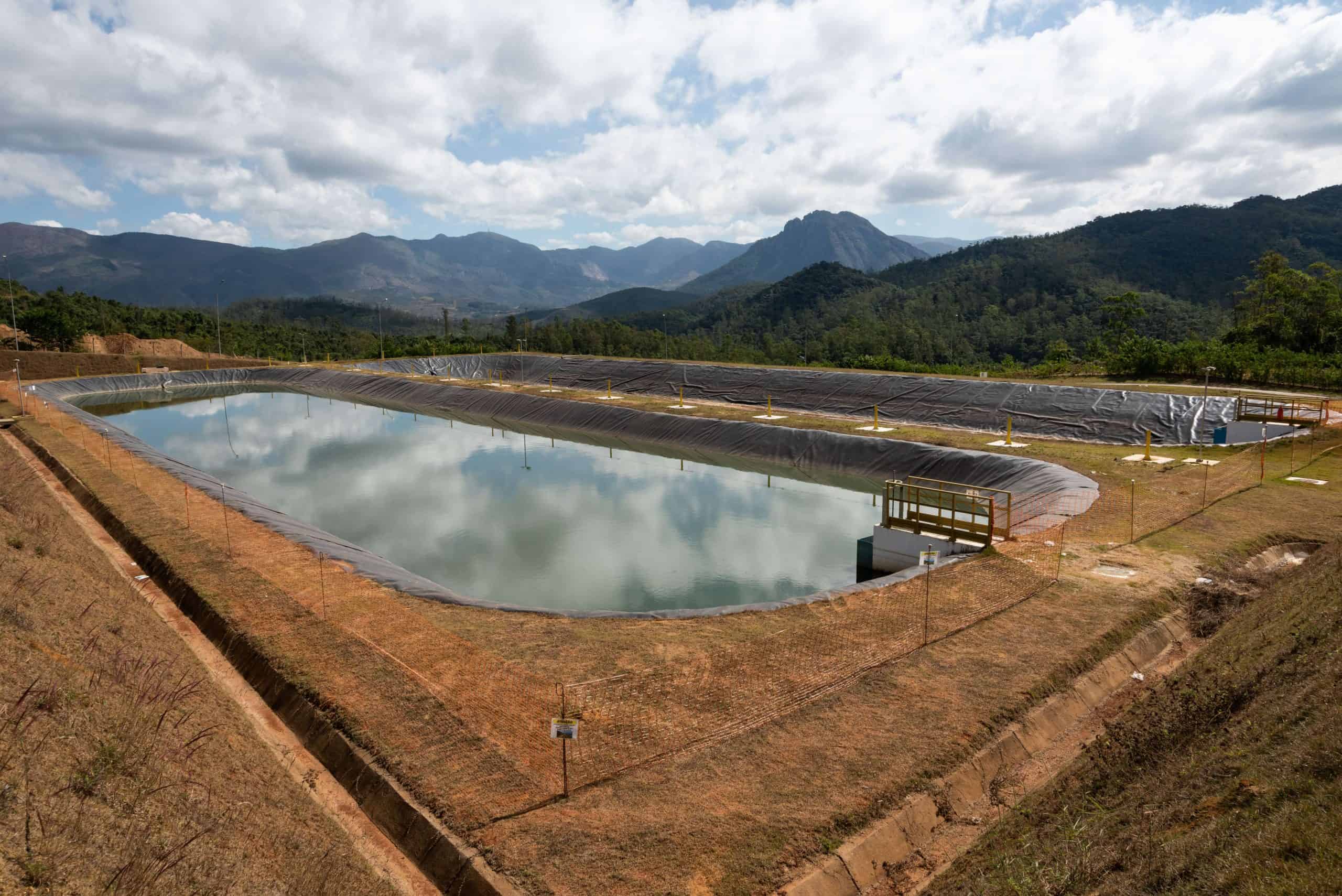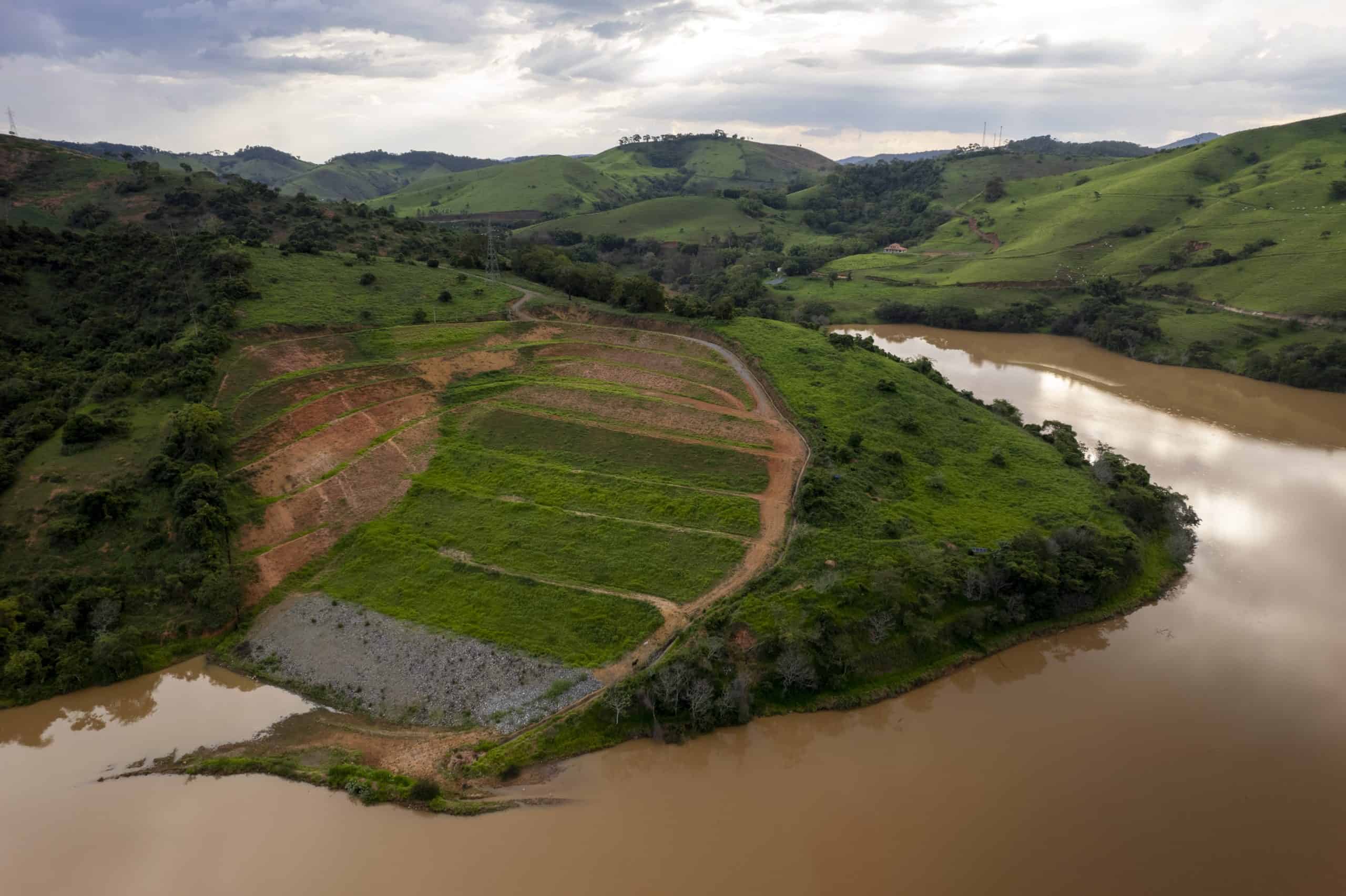
The Samarco Dam Disaster, which occurred on November 5, 2015, marked one of the most severe environmental catastrophes in Brazil’s history. The Fundão tailings dam at the Germano mining complex suffered a catastrophic collapse, releasing an estimated 43.7 million cubic meters of iron ore waste. This tragic event inundated villages such as Bento Rodrigues and Paracatu de Baixo with toxic sludge, claiming 19 lives and altering the ecosystem of the Doce River basin.
This disaster exposed critical failures in mining regulations and oversight, sparking a global conversation about corporate responsibility and environmental protection. The aftermath has seen massive legal and financial repercussions, including ongoing lawsuits and billions in reparations being disbursed in an attempt to address the long-term environmental and social impacts. The joint venture responsible, involving Brazilian company Vale and BHP from Australia, has faced scrutiny and demands for stronger safety measures.
A decade later, the effects are still felt by thousands, as vast areas remain in need of restoration, and affected communities continue to seek justice. This incident underscores the urgency for more stringent industry regulations and exemplary corporate governance to prevent future tragedies. Understanding the lessons of Samarco becomes crucial as the world grapples with balancing industrial growth with environmental stewardship.
The Samarco Dam Disaster: Key Facts and Timeline
The Samarco Dam Disaster, which occurred on November 5, 2015, led to significant loss of life and immense environmental damage. This section focuses on the background of the Fundão Dam collapse, the timeline of the disaster on the day it happened, and the immediate impacts on the local communities and environment.
Background of the Fundão Dam Collapse
The Fundão Dam was a tailings dam part of the Germano mining complex, operated by Samarco, a joint venture between the Brazilian company Vale and Anglo-Australian company BHP. Designed to store waste from iron ore extraction, the dam held millions of cubic meters of tailings. Before the collapse, there were concerns about the dam’s structural integrity, including signs of instability and previous reports of leaks. The surrounding area, including the villages of Bento Rodrigues and Paracatu de Baixo, depended on the mining sector economically, heightening vulnerability to such catastrophic failures.
Timeline of Events on November 5, 2015
On November 5, 2015, the Fundão Dam burst, unleashing approximately 45 million cubic meters of iron ore waste. Initially, at around 3:30 PM local time, the dam’s structural failure resulted in a massive mudslide. Within hours, the wave of toxic sludge reached several downstream communities, causing widespread destruction. The torrent obliterated the village of Bento Rodrigues and significantly damaged Paracatu de Baixo. Emergency services were overwhelmed as they carried out rescue operations. News of the catastrophe spread quickly, drawing national and international attention to the disaster and sparking debates on mining safety regulations.
Immediate Human and Material Impact
The immediate aftermath of the dam’s collapse saw the tragic loss of 19 lives and the displacement of hundreds of families. The environmental impact was severe; the toxic waste flowed into the Doce River, drastically affecting its ecosystem and causing long-term contamination. Essential local infrastructure was destroyed, including roads, bridges, and homes, leaving communities cut off and in dire need of assistance. Humanitarian efforts were initiated to provide shelter and basic necessities to those affected while the scale of the destruction of cultural heritage sites and livelihoods became increasingly apparent. The disaster also prompted significant legal and financial repercussions for Samarco and its parent companies, Vale and BHP.
Environmental and Humanitarian Consequences
The Samarco Dam Disaster, which caused the collapse of the Fundão tailings dam in November 2015, had profound effects on both the environment and local communities. It devastated the Doce River Basin with iron ore tailings, displaced thousands, and continues to impact ecosystems and livelihoods.
Environmental Impact on the Doce River Basin
The failure released approximately 40 million cubic meters of iron ore waste, contaminating over 650 kilometers of the Doce River. This pollution significantly affected aquatic life and ecosystems. High concentrations of toxic metals were detected in the river, harming local flora and fauna. Contaminated sediment altered the physical and chemical composition of the riverine environment, making the water unsafe for consumption and affecting biodiversity from the riverbanks to the Atlantic Ocean.
Humanitarian Crisis and Community Displacement
The disaster destroyed the town of Bento Rodrigues and severely impacted nearby communities. Thousands of residents were displaced, creating a humanitarian crisis. The Movement of People Affected by Dams highlights the ongoing battle for adequate compensation and resettlement for those affected. In areas like Barra Longa and Gualaxo do Norte, families have struggled with insufficient support and prolonged recovery processes. Issues like untreated water, health hazards, and loss of ancestral lands have exacerbated the dire situation for the displaced populations.
Ongoing Effects on Local Ecosystems and Livelihoods
The impact on local ecosystems remains visible, with the disruption of natural habitats affecting fishing and agriculture. Changes to the soil structure and water quality have decreased farming productivity, which is a critical livelihood for many residents. Consequently, communities face economic instability and food insecurity. Efforts to rejuvenate local ecosystems have been challenging, and ongoing assessments emphasize the necessity for continued environmental monitoring and restoration initiatives to eventually mitigate the long-term damage inflicted on the area.
Legal, Regulatory, and Corporate Response
The Samarco Dam Disaster triggered significant legal, regulatory, and corporate actions. The efforts to address the ramifications involved extensive litigation, compensation negotiations, and examinations of accountability for the involved corporate entities. A complex web of lawsuits and reparations emerged, highlighting the intricate mix of legal responsibilities and corporate roles.
Litigation and Class Action Lawsuits
Numerous legal battles have arisen since the Samarco dam collapse. In the UK, BHP Billiton faced a £36 billion lawsuit as part of the effort to hold it accountable for the disaster’s massive social and environmental impact. The legal proceedings underscore the international scope of corporate responsibility, as impacted parties seek justice in different jurisdictions. The British High Court’s decision found BHP liable, marking a pivotal moment in these proceedings. Additionally, class action suits have been initiated in Australia and the Netherlands, reflecting wide-ranging impacts and the global reach of BHP and its partners. These lawsuits explore not just financial reparations but also the personal and community-level damages caused by the disaster.
Compensation Agreements and Reparations
Compensation endeavors centered on substantial financial settlements aimed at aiding affected communities. The Brazilian government, alongside Samarco, Vale, and BHP, established compensation mechanisms through entities such as the Renova Foundation. To date, billions have been disbursed, designed to restore social and environmental well-being in the impacted areas. Comprehensive agreements outline an extensive compensation plan, involving hundreds of billions in reparations extending through 2044. These allocations address immediate victim assistance, long-term environmental remediation, and community infrastructure redevelopment. Despite significant payouts, discussions continue regarding the adequacy of compensation to truly cover the losses incurred.
Accountability of Samarco, Vale, and BHP
The roles of Samarco, Vale, and BHP in the disaster sharply focus on corporate governance and regulatory oversight. Samarco’s owners, which include Vale and BHP, faced scrutiny over the insufficient safety measures that led to the dam’s failure. Brazilian authorities, including the National Department of Mineral Production, have pressured these companies to adopt more stringent operational standards. In response, BHP Billiton and Vale pledged full cooperation, seeking regulatory adjustments and stronger environmental safeguards. Their commitments to corporate responsibility stressed the importance of learning from past mistakes to prevent future incidents. The ongoing accountability process embodies a crucial element in redefining their operational blueprints and ensuring lasting compliance with environmental and regulatory expectations.
Lessons, Reforms, and Broader Implications
The Samarco Dam disaster highlighted significant deficiencies in risk management and the mining industry’s social responsibility. These events prompted urgent discussions on mining regulations in Brazil and drew comparisons with similar incidents, such as the Brumadinho Dam disaster.
Risk Management and Social License to Operate
The Samarco disaster underscored the critical role of effective risk management in preventing catastrophic failures. It emphasized the need for mining companies to adopt comprehensive risk assessment strategies that consider both technical and social factors. A crucial aspect is acquiring a Social License to Operate (SLO), which involves gaining community trust and maintaining transparent communication. The collapse showcased how neglecting community relations and safety measures can result in severe legal and reputational damage. Companies must ensure they incorporate stakeholder input into their safety protocols and develop contingency plans to protect both human lives and the environment.
Influence on Mining Regulation in Brazil
In the wake of the Samarco disaster, Brazil faced mounting pressure to reform its mining regulations. There was a demand for stringent monitoring of tailings dams and stricter procedures for environmental impact assessments. Reforms included revising dam safety codes, improving regulatory oversight, and enhancing enforcement mechanisms. These changes aimed to prevent future accidents and restore public confidence in the regulatory framework. The incident became a catalyst for legislative action, pushing for transparency and accountability in the mining sector. Discussions also included deploying new technologies for real-time monitoring and adopting international best practices to safeguard against similar occurrences.
Comparison with the Brumadinho Dam Disaster
The Brumadinho dam collapse in 2019, which occurred after Samarco, sparked further scrutiny of Brazil’s mining industry. Unlike the Samarco incident, which happened when the dam was not actively receiving tailings, Brumadinho highlighted flaws in operations during active production stages. Both events resulted in tragic losses and environmental destruction, but they differed in operational circumstances and compliance failures. This comparison prompted a reevaluation of risk management practices and tailings dam technology, inspiring industry-wide introspection on safety standards. Learning from both tragedies is crucial in understanding the systemic risks and the needed reforms to prevent future disasters.