In November 2015, the small town of Mariana, Brazil, was thrust into the global spotlight due to a catastrophic event when the Fundão tailings dam failed. The disaster, attributed to structural failures, unleashed a torrent of toxic mining waste, devastating the environment and causing an unprecedented ecological crisis. The Mariana Dam collapse is regarded as one of the most severe environmental disasters in Brazil’s history, with its impact felt over hundreds of kilometers downstream.
The ramifications of the dam failure were severe, displacing countless families and disrupting local communities. This catastrophic event led to wide-reaching environmental damage, affecting waterways and ecosystems that were vital to both wildlife and human settlements. Efforts to rehabilitate the affected areas have been ongoing, highlighting the challenges of addressing such large-scale environmental contamination.
Lessons drawn from the Mariana Dam disaster have prompted discussions and policy revisions surrounding dam safety and environmental protection. The incident serves as a crucial case study for examining the consequences of industrial negligence and the pressing need for stringent safety regulations. By understanding the factors that led to the collapse and its aftermath, stakeholders hope to prevent similar tragedies in the future.
Timeline and Causes of the Mariana Dam Disaster
The Mariana Dam Disaster, also known as the Fundão Dam failure, was a catastrophic event with both immediate environmental and long-term community impacts. Understanding the background and the events leading to this disaster is crucial for comprehending its devastating effects.
Background of the Fundão Tailings Dam
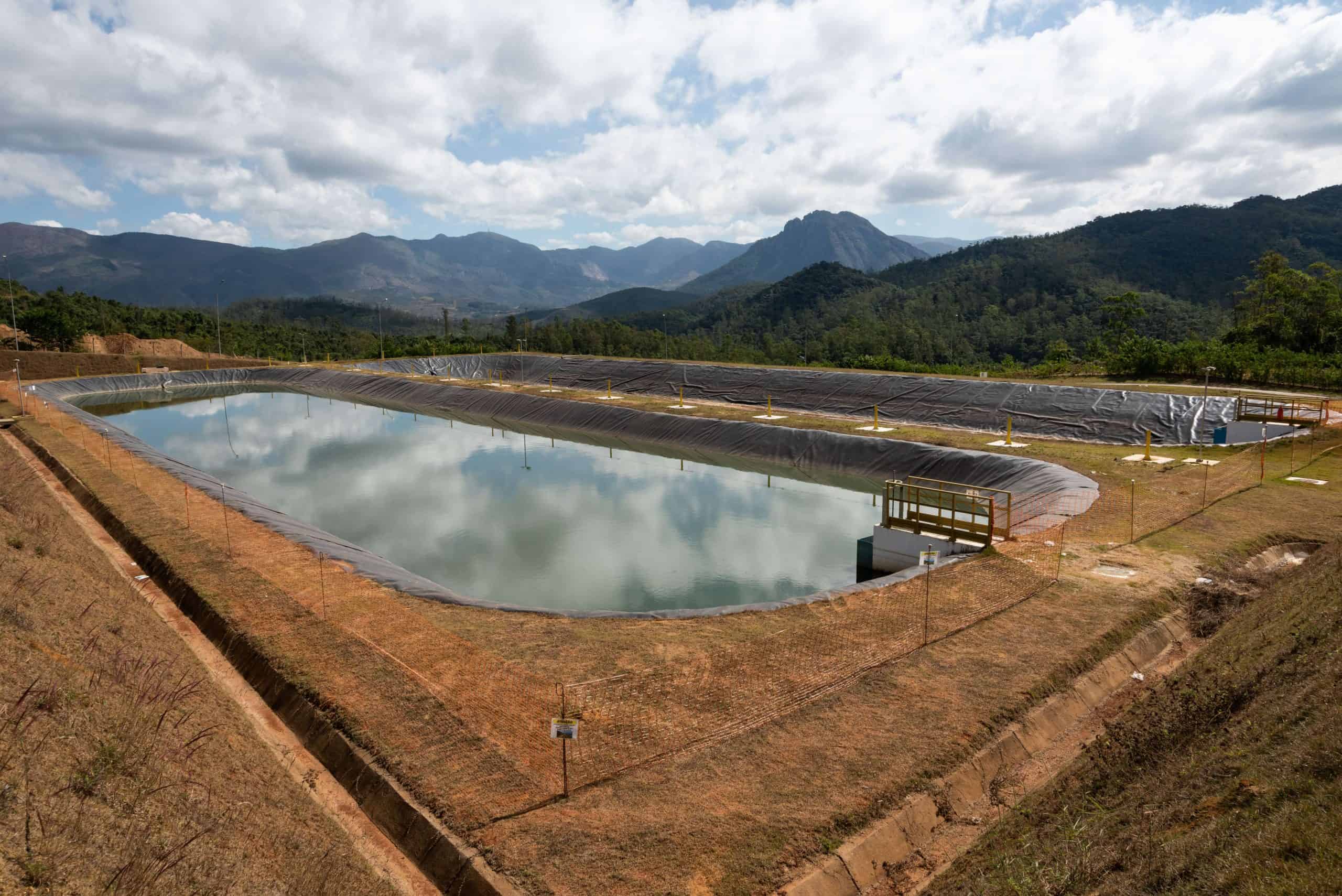
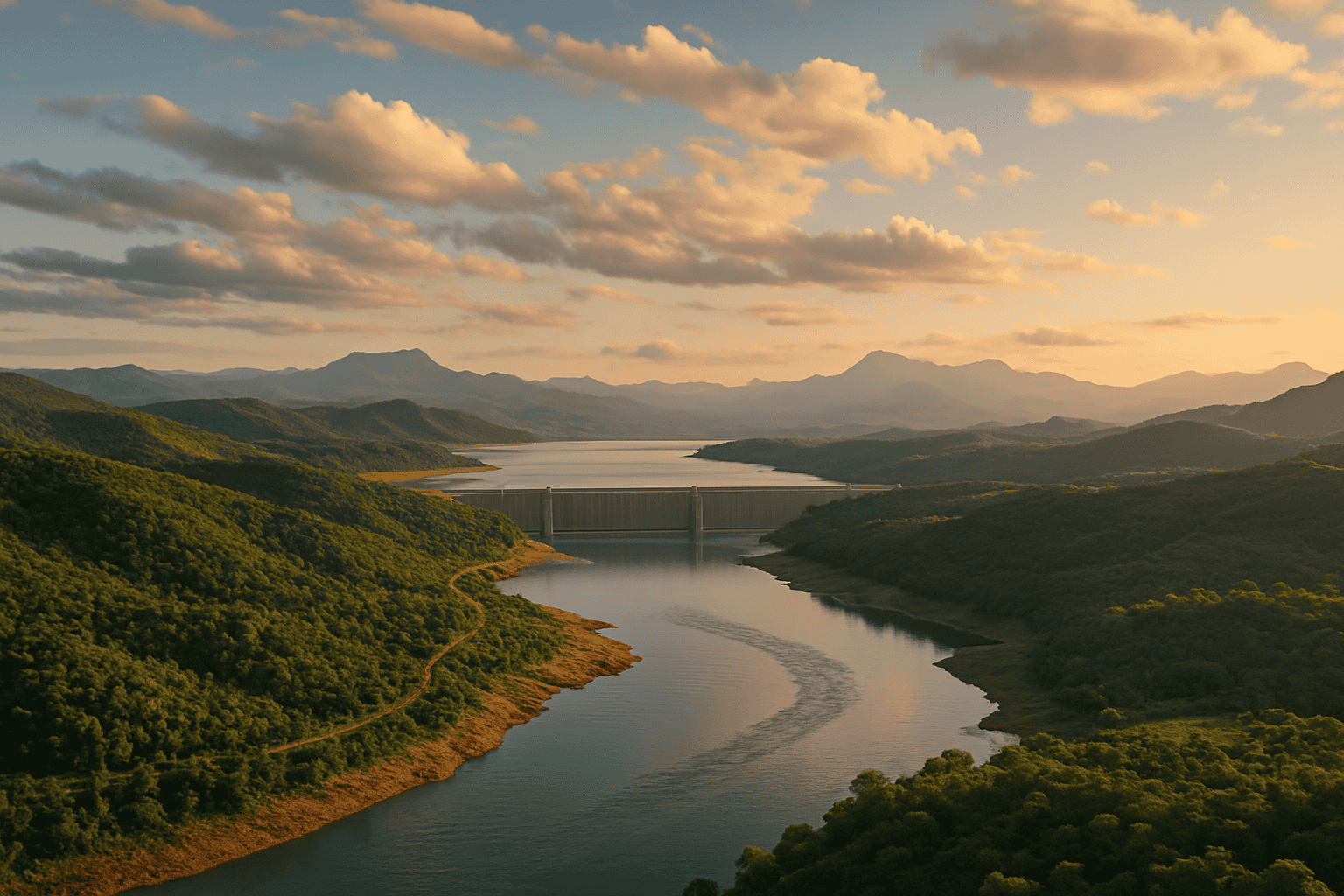
The Fundão tailings dam was part of the Germano mining complex located in the Mariana district of Minas Gerais, Brazil. This dam was primarily used to store by-products from iron ore extraction managed by Samarco, a joint venture between Vale and BHP Billiton. The dam was constructed to handle large volumes of tailings, which are fine waste particles from mining.
Initially built to withstand the significant pressure and volume from mining operations, the dam faced persistent maintenance challenges. Over time, these issues were exacerbated by a lack of comprehensive monitoring and risk assessments. The accumulation of iron ore waste within the dam steadily increased, creating conditions susceptible to structural failure.
Key Events Leading to the Collapse
In the months and years leading up to the disaster, there were numerous warning signs related to the integrity of the Fundão dam. Small leaks and structural stress indicators were documented but not adequately addressed. On November 5, 2015, crucial lapses in stability led to a full-scale collapse. The structure failed under immense pressure, releasing a surge of 60 million cubic meters of mining tailings and mud.
This catastrophic event was not unforeseen, as previous inspections indicated potential weaknesses. However, preventive measures and engineering strategies were insufficient. The involvement of large corporations like Vale and BHP Billiton highlighted significant procedural and managerial oversights that contributed to the dam’s failure.
Immediate Consequences and Response
The immediate aftermath of the disaster was dire. The collapse unleashed a massive flow of toxic sludge that devastated the local environment and communities. Several villages in the Mariana district, including Bento Rodrigues, were severely affected or entirely buried under the debris. This incident resulted in considerable loss of life and displacement of communities.
Authorities and Samarco coordinated emergency responses, but efforts to contain the damage were challenged by the scale of the disaster. The incident prompted a widespread critique of the safety regulations governing tailings dams in Brazil, calling for stricter enforcement and improvements in disaster readiness and risk management practices.
Environmental and Social Impact
The Mariana Dam disaster led to widespread environmental damage and significant social consequences. Toxic waste spread across regions, local communities faced severe disruptions, and ecosystems suffered extensive harm.
Spread of Toxic Waste and Contamination
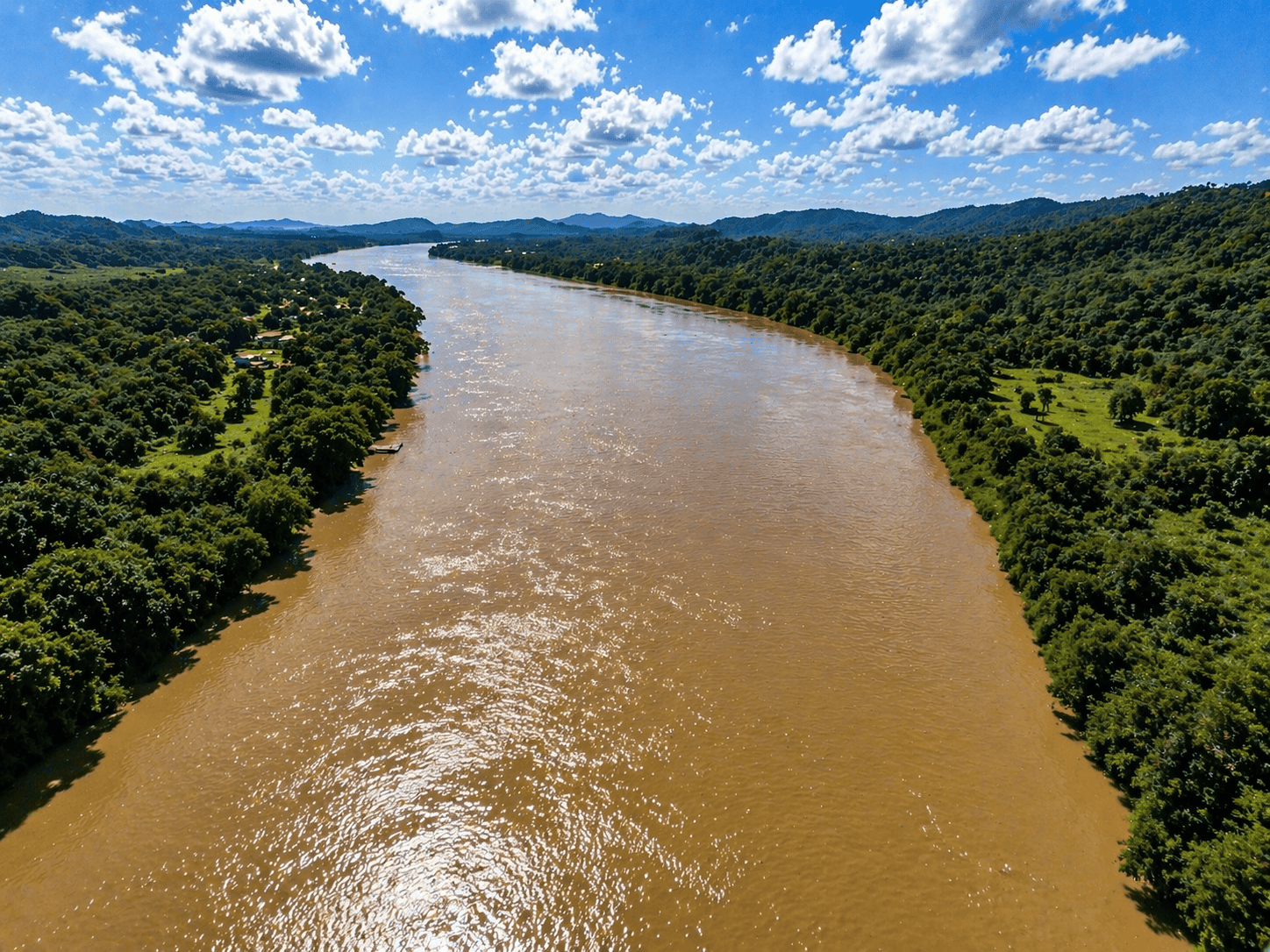
Toxic sludge from the dam breach released 60 million cubic meters of mining waste into the environment. The Rio Doce river, a critical water source, was heavily contaminated, impacting water quality as far as the Atlantic Ocean. This contamination affected aquatic life, with high levels of iron ore waste and other pollutants threatening biodiversity. Additionally, the presence of heavy metals in the sludge posed long-term risks to agriculture and drinking water in towns like Bento Rodrigues and beyond.
Effects on Local Communities
Communities near the disaster site, especially in Bento Rodrigues, faced immediate and lasting hardships. Homes were destroyed, displacing hundreds of families. Many lost not only their houses but also their jobs, as the environmental damage affected local industries, particularly fishing and agriculture. Social services struggled to meet the increased demands, and psychological trauma became prevalent among affected people. The loss of livelihoods led to economic decline, challenging recovery efforts for years.
Destruction of Ecosystems and the Atlantic Ocean
The breach significantly damaged surrounding ecosystems, including those along the Rio Doce. The influx of toxic mud smothered aquatic habitats, leading to a drastic decline in fish populations. Efforts to rehabilitate these ecosystems have been challenging due to the scale of the pollution. The disaster also impacted coastal areas of Espírito Santo, where the toxic waste finally reached the Atlantic Ocean, endangering marine life and disturbing the ecological balance. Conservation measures continue to focus on mitigating long-term impacts and restoring biodiversity.
Legal Actions, Compensation, and Rehabilitation
The aftermath of the Mariana Dam Disaster has involved complex legal battles, compensation negotiations, and ongoing rehabilitation efforts. Various entities, including mining companies, authorities, and foundations, have played significant roles in addressing environmental and social impacts.
Major Lawsuits and Legal Proceedings
The disaster triggered multiple legal actions, with collective environmental lawsuits filed against companies responsible for the dam. One key lawsuit involved Pogust Goodhead, representing over 200,000 victims in the UK. Brazilian courts have been pivotal, with the High Court reviewing claims and the Court of Appeal overseeing several legal proceedings. The focus remains on accountability and ensuring victims receive appropriate compensation and justice in an intricate legal landscape.
Roles of Companies and Authorities
Mining companies and Brazilian authorities have been crucial in the legal and rehabilitation processes. Vale and other parties involved in the dam’s ownership faced company liability for the disaster’s impacts. Meanwhile, Brazilian authorities have facilitated negotiations, resulting in significant settlements. The Renova Foundation was established to manage funds and implementation of remediation efforts, overseeing projects and community outreach as part of their responsibilities.
Compensation for Claimants and Affected People
Compensation has been a key aspect post-disaster, with ongoing efforts to ensure fair settlements for affected individuals. Approximately R$ 170 billion has been earmarked for current and future obligations. Claimants, including local communities, have sought compensation through various legal channels. The goal has been to cover losses and support long-term recovery for those severely impacted by the disaster’s environmental and social consequences.
Rehabilitation Process and Ongoing Initiatives
The rehabilitation process has focused on restoring ecological and social stability in affected regions. Collaborative initiatives involve local communities, authorities, and the Renova Foundation, with projects designed to address long-term impacts. Ongoing efforts prioritize the restoration of natural habitats and infrastructure, emphasizing sustainable practices. Current programs aim to improve the quality of life and environment, fostering a resilient recovery for communities still affected by the disaster.