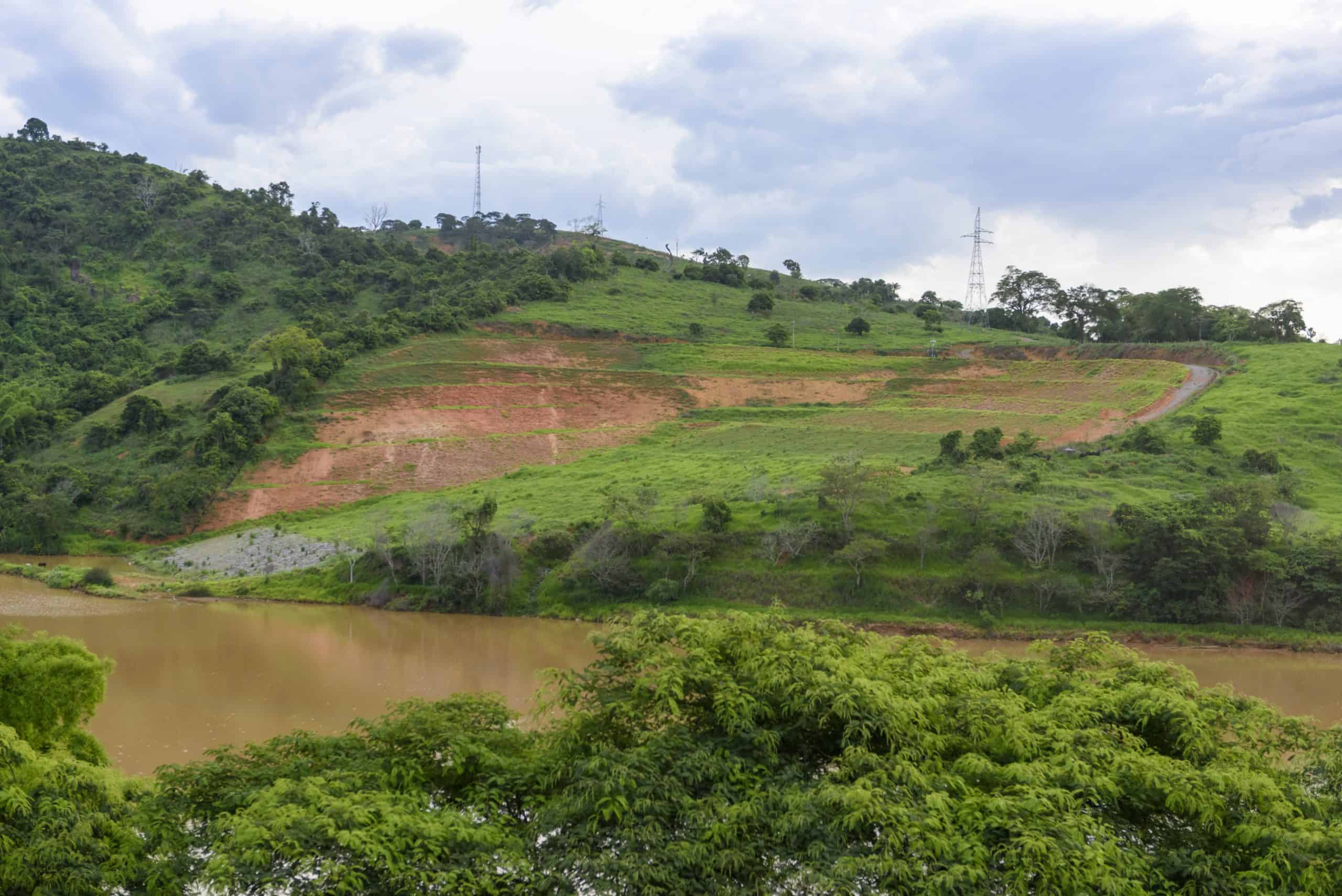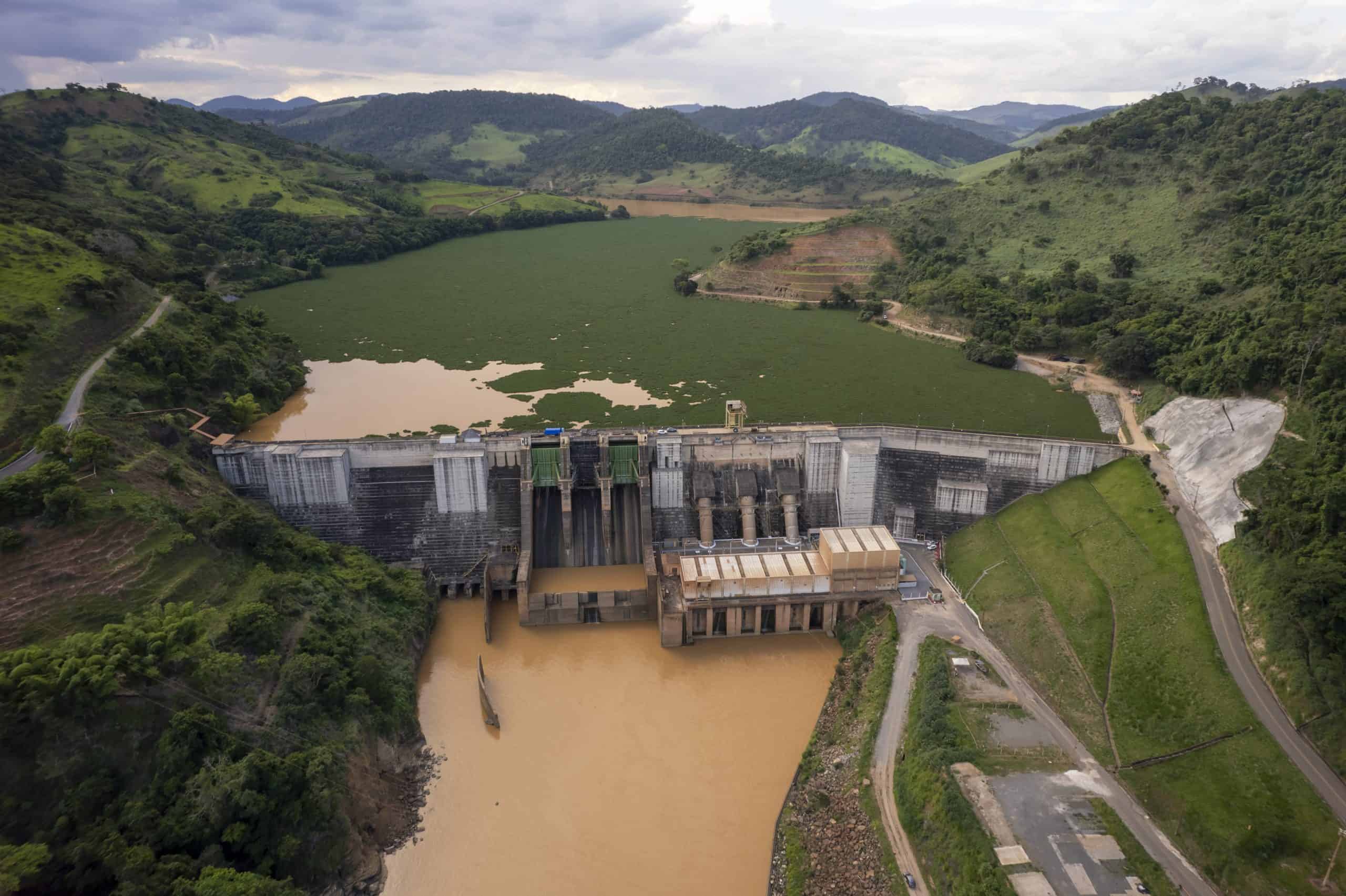
The Samarco Accident remains one of Brazil’s most catastrophic environmental disasters. On November 5, 2015, the Fundão tailings dam at the Germano Mining Complex in Mariana, Minas Gerais, suffered a catastrophic failure, releasing millions of cubic meters of mining waste. This tragic incident, involving the mining company Samarco, a joint venture between giants Vale and BHP, not only resulted in the loss of 19 lives but also caused widespread ecological and social impacts along the Doce River.
Over the years, the reverberations of the disaster have persisted, with affected communities continuing to wrestle with the aftermath. Despite numerous legal battles and attempts for reparation, many residents of the damaged areas have faced delays in compensation and accountability. The sheer scale of the devastation has prompted global scrutiny of mining practices and environment safety protocols.
This blog post delves deeper into the sequence of events, aftermath, and ongoing recovery efforts related to the Samarco Accident. Understanding the complexities surrounding this event highlights the significance of environmental responsibility and corporate accountability in preventing future tragedies.
The Samarco Accident: Key Facts and Timeline
The Samarco accident involved the catastrophic failure of the Fundão tailings dam at the Germano mine, resulting in a severe environmental disaster. It was a significant incident in Brazil’s mining history, leading to widespread impacts on communities around Mariana, Minas Gerais.
Overview of the Fundão Dam Collapse
The Fundão Dam was part of Samarco’s mining operations, a joint venture between Vale and BHP Billiton. On November 5, 2015, the dam collapsed, releasing approximately 45 million cubic meters of iron ore tailings. These waste materials flowed into the Rio Doce basin, devastating the nearby village of Bento Rodrigues and other communities downstream. The disaster caused substantial environmental damage, leading to severe pollution that affected the river ecosystem and water quality. Nineteen people lost their lives in the incident.
Timeline of the Disaster
On the day of the collapse, the dam failure occurred in the afternoon, leading to immediate flooding of nearby areas. Over the following hours, the spill traveled downstream, reaching numerous communities. By the next day, November 6, emergency alerts were broadcast, and efforts to contain the uncontrolled flow began. In the subsequent days, the extent of the environmental damage became clearer. By mid-November, Samarco’s operations were legally suspended as authorities investigated the causes and impacts of the accident. Throughout the following months, several measures were proposed and initiated to manage the consequences and contain the damage.
Immediate Aftermath and Emergency Response
The immediate aftermath saw a mobilization by Samarco and its parent companies, Vale and BHP, to aid affected communities. Emergency shelters were set up for displaced residents, and initial compensation was provided to victims. Efforts were also directed towards reinforcing the remaining structures at the Germano mine to prevent further failures. Authorities and environmental agencies undertook extensive evaluations to assess contamination levels and the long-term ecological impact. Response plans emphasized both immediate relief and long-term recycling of waste materials. Despite these efforts, criticism arose over the speed and effectiveness of the response, leading to ongoing disputes regarding the adequacy of reparations and accountability for the disaster.
Investigation Into Causes and Technical Failures
The catastrophic collapse of the Fundão Dam was attributed to a combination of engineering weaknesses, liquefaction phenomena, and lapses in regulatory oversight. Core issues stemmed from poor design decisions, inadequate safety practices, and the mechanical instability of the tailings materials.
Engineering Assessments and Design Flaws
Engineers investigating the Fundão Dam identified significant design flaws as crucial factors leading to the collapse. Samarco, along with its joint owners BHP and Vale, overlooked critical structural integrity issues during construction. The drain system, intended to maintain stability, was poorly executed, failing to manage water pressure effectively. This deficiency was coupled with the use of inappropriate materials in the dam’s construction, exacerbating its vulnerability.
Inspections had revealed cracks and other warning indicators that the dam was at high risk. Despite its precarious state, corrective measures were not implemented promptly. Proper attention to engineering standards and ensuring quality materials might have altered the course of events, potentially preventing the tragic outcomes associated with the dam’s failure.
Role of Liquefaction in the Collapse
The phenomenon of liquefaction played a critical role in the Fundão Dam’s failure. Liquefaction occurs when saturated, unconsolidated sediments lose their strength and stiffness, behaving like a liquid. This process was identified as a significant reason for the collapse. The fine iron ore tailings, mixed with water, became unstable, prompting the dam to fail under pressure.
Investigations revealed that inadequate drainage systems failed to alleviate pore water pressure within the dam. This lack of pressure relief facilitated liquefaction, severely compromising the dam’s structural integrity. Understanding these mechanisms is vital for preventing such disasters in the future, underscoring the need for robust design and effective drainage solutions.
Regulatory Oversight and Safety Practices
Regulatory oversights contributed significantly to the disaster, highlighting systemic failures in safety practices and enforcement. Regulatory bodies responsible for overseeing Samarco’s operations did not enforce stringent safety measures or regular maintenance checks, which exacerbated risks. BHP and Vale were found to have prioritized production over safety, reflected in reduced spending on essential dam maintenance.
Moreover, the documentation detailing existing problems and safety hazards was either ignored or inadequately addressed. The need for rigorous regulations and enforcement is paramount in avoiding such tragedies, along with fostering a safety culture that prioritizes human and environmental health over economic gains.
Environmental and Social Impact
The Samarco accident in 2015, known as the Fundão dam collapse, drastically affected the environment and communities around the Bento Rodrigues area. This disaster involved the release of vast amounts of iron ore waste, harming ecosystems and disrupting the lives of those in affected communities.
Ecological Damage to the Doce River Basin
The collapse severely harmed the Doce River Basin, one of Brazil’s most important water systems. Vast quantities of mining tailings flowed into the Gualaxo do Norte River and spread through connecting waterways. The toxic waste invaded riverbeds, killing aquatic life and rendering the water unsuitable for consumption or agriculture. The availability of clean water plummeted, threatening both local wildlife and human settlements dependent on these ecosystems for their livelihoods.
Effects on Communities and Resettlement
The disaster’s impact on local communities was devastating. Thousands of residents were displaced from towns like Bento Rodrigues, where homes and infrastructure were buried under a thick layer of toxic sludge. Immediate relief efforts sought to provide temporary housing and essentials. Rebuilding efforts have been ongoing, with a focus on creating safe, sustainable living conditions for displaced populations. Resettlement measures have faced numerous challenges, particularly in restoring social bonds and economic stability for affected families.
Contamination Pathways: Rivers and Atlantic Ocean
The spill’s contamination did not remain confined to immediate surroundings. The heavily polluted Doce River carried contaminants downstream toward the Atlantic Ocean, expanding the environmental breach. This flow of waste threatened marine life, affecting fish populations integral to local economies and biodiversity. Efforts to monitor and minimize long-term environmental degradation are vital, but the extent of contamination presents ongoing hurdles.
Long-Term Humanitarian Consequences
In addition to immediate damages, the disaster catalyzed enduring humanitarian issues. Health concerns arose from increased exposure to contaminants, affecting both physical and mental well-being. Economic hardships intensified as fisheries, agriculture, and tourism sectors faced substantial losses. Restorative programs are in place, yet many residents continue to struggle with rebuilding their lives six years on, underlining a need for sustained support and intervention from stakeholders like Samarco, Vale, and BHP.
Legal Actions, Compensation, and Ongoing Recovery
The aftermath of the Samarco dam disaster has been marked by complex legal proceedings, significant compensation agreements, and ongoing rehabilitation efforts. Legal actions have spanned multiple jurisdictions, and compensation frameworks have been established involving key mining corporations. The Renova Foundation has played a central role in reparations, while discussions on future safety measures continue to shape the industry.
Litigation and Court Rulings
Following the collapse of the Fundão dam operated by Samarco, numerous lawsuits emerged both in Brazil and internationally. Brazilian authorities have pursued large-scale civil and criminal actions against Vale and BHP, the joint owners of Samarco. Legal actions have been filed in several jurisdictions, including the UK and Australia. The English High Court, for instance, has acknowledged parent company liability involving BHP, demonstrating how international courts engage in this multifaceted case. In Brazil, some charges against these companies have been dropped, while comprehensive settlements are still under negotiation. Despite these efforts, various appeals and litigations remain active, showcasing the complexity and long duration of legal processes in international industrial disasters.
Compensation Payments and Settlements
A significant stride in compensation was made when Brazil signed an agreement with BHP, Vale, and Samarco, entailing a financial commitment of 170 billion reais. This vast sum aims to address the many dimensions of the disaster, promising direct payments to over 288,600 affected individuals, as noted in the Doce River Basin Agreement. Beyond individual compensation, this settlement includes support for municipal damages, infrastructure reconstruction, and broader economic recovery efforts. The mining companies are tasked with completing these compensation payments by December 2026, underscoring a prolonged and structured financial reparations approach. These comprehensive settlements aim at encompassing both immediate needs and long-term stabilization goals for the affected communities.
Role of the Renova Foundation in Reparations
The Renova Foundation, established by the mining companies involved, has been pivotal in orchestrating reparations and rehabilitation efforts post-disaster. It manages various programs dedicated to social, economic, and environmental recovery within affected regions. The Foundation’s responsibilities include overseeing ecological restoration projects in the Doce River Basin, implementing resettlement initiatives like those successfully completed in Novo Bento Rodrigues and Paracatu, and providing cash compensations for loss of homes and livelihoods. By coordinating with local, regional, and international bodies, the Renova Foundation seeks to ensure that reparations align with both community needs and judicial mandates, albeit facing criticism for the pace and transparency of its programs.
Future Prevention and Industry Reforms
In response to the disaster, the need for stringent safety regulations and reform has become evident. Brazilian authorities, alongside global stakeholders in mining industries, have pushed for enhanced regulatory frameworks aimed at mitigating similar risks in the future. These reforms target the improvement of tailings dam safety, mandating more rigorous assessments and frequent inspections. Industry practices are being scrutinized to prioritize environmental sustainability and reduce potential hazards. Moreover, corporations like BHP and Vale are required to adopt better risk management strategies and invest in advanced technologies for mining operations. These steps aim to fortify the mining sector’s infrastructure, minimizing the probability of future accidents and aligning with broader environmental and ethical standards.