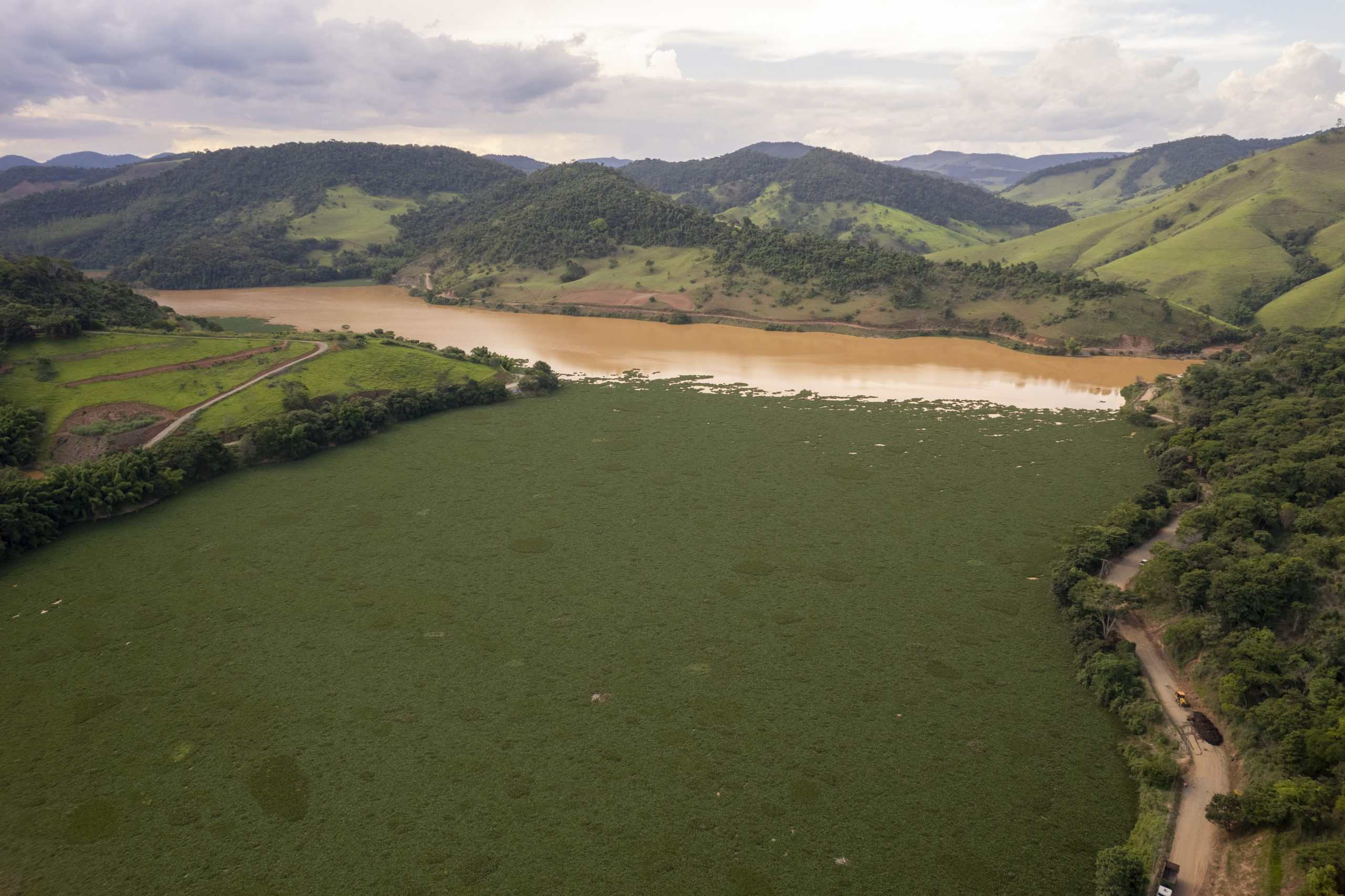
The Mariana Dam disaster remains one of Brazil’s most significant environmental tragedies, with profound human and ecological impacts. On November 5, 2015, the Fundão tailings dam at the Germano iron ore mine suffered a catastrophic failure, releasing approximately 40 million cubic meters of toxic sludge into the surrounding areas. This disaster claimed 19 lives and irreversibly transformed the ecosystems of the Rio Doce basin.
In the aftermath, affected communities have sought justice and reparations, facing a prolonged legal journey. The disaster not only devastated villages such as Bento Rodrigues and Paracatu de Baixo but also polluted over 700 kilometers of river, impacting the livelihoods of millions. As recent judgments hold mining giants accountable, there is renewed hope for comprehensive reparations and environmental restoration efforts.
Moreover, the spotlight on the Mariana Dam collapse highlights ongoing discussions about environmental governance and corporate responsibility. Organizations and governments are now prompted to consider stricter regulations and safety measures, underscoring the need for sustainable development practices that prioritize both community safety and ecological preservation.
The Mariana Dam Collapse: Key Facts and Timeline
The Mariana Dam Collapse on November 5, 2015, stands as one of the most calamitous environmental disasters in Brazil’s history. This tragic event involved the failure of the Fundão tailings dam, resulting in a catastrophic release of mining waste and highly toxic sludge impacting both local communities and ecosystems.
Details of the Fundão Dam Failure
The Fundão dam, operated by Samarco, a joint venture between Vale and BHP Billiton, collapsed at the Germano mining complex near Mariana, Minas Gerais. Originally designed to store waste byproducts from iron ore mining, the structure failed due to multiple engineering and safety oversights. Upon its collapse, approximately 32 million cubic meters of tailings were released, equivalent to a massive wave of hazardous sludge. This failure revealed significant structural and operational flaws in the dam’s design and maintenance. Investigations attributed the collapse to a lack of proper drainage and an underestimated risk of liquefaction in the stored tailings, ultimately compromising the dam’s stability.
Immediate Impact on Bento Rodrigues and Surrounding Communities
The sudden breach of the Fundão dam led to an immediate inundation of the village of Bento Rodrigues, engulfing homes and infrastructure in a thick, mud-like substance. As a result, 19 people lost their lives, and hundreds of residents were displaced. Those who survived faced not only the destruction of their homes but also a loss of livelihood and personal belongings. The social fabric of surrounding communities, including Paracatu de Baixo, suffered immensely, with many residents left grappling with emotional trauma and uncertainty about their futures. Evacuation efforts were initially hampered by challenging conditions, but Samarco implemented urgent rescue operations and provided some support to affected families during the immediate aftermath.
Spread and Scale of the Toxic Sludge Disaster
The catastrophic failure at Mariana set off a chain of environmental repercussions stretching far beyond the initial collapse site. The toxic sludge relentlessly traveled down the Rio Doce river, covering approximately 650 kilometers and impacting numerous ecosystems along its path. The spill disrupted aquatic life, polluted water supplies, and affected agricultural land. The longevity of these environmental impacts has continued to pose significant challenges in terms of cleanup and ecological recovery. Legal and economic implications further complicated the disaster response, as Samarco, Vale, and BHP Billiton faced immense scrutiny and demands for accountability and reparation from affected communities and governments.
Environmental and Humanitarian Impact
The Mariana dam disaster in 2015 led to severe environmental disruption and significant humanitarian challenges in Brazil. It resulted in catastrophic damage to the Doce River Basin and widespread human displacement.
Ecological Devastation of the Doce River Basin
The Doce River Basin experienced catastrophic ecological damage when a massive volume of toxic sludge was released from the Fundão dam. The sludge, laden with heavy metals and mining waste, flowed over 600 kilometers, severely affecting aquatic ecosystems and biodiversity. As it moved, the sludge destroyed habitats, killing a large number of fish and other aquatic organisms. The contamination continued to impact the water quality in Minas Gerais and Espírito Santo states, resulting in long-term environmental degradation. River banks and surrounding lands were smothered in the thick mud, altering the landscape and agricultural soils, which posed ongoing risks to local flora and fauna.
Human Displacement and Health Effects
The disaster caused the immediate displacement of thousands of people living in downstream communities. Villages such as Bento Rodrigues were entirely or partially destroyed, leaving many homeless. The sudden displacement led to significant psychological and economic stress among affected populations. In addition to losing their homes, many individuals suffered from health problems related to the exposure to hazardous substances in the sludge. Reports indicated increased respiratory and skin conditions, along with broader concerns about water contamination. The burden on healthcare systems grew as medical professionals rushed to address both the immediate injuries and ongoing health implications.
Long-Term Environmental Recovery Challenges
Efforts to recover the environment impacted by the disaster have faced numerous challenges. Remediation and restoration work has been complicated by the scale of the disaster and the toxic nature of the waste. One of the central issues has been removing contaminants from the soil and water, a process that requires significant technological and financial resources. Additionally, the effort to restore biodiversity and revitalize the river ecosystem is ongoing, with slow progress being made toward reestablishing natural habitats. Coordination between government bodies, such as those in Minas Gerais and Espírito Santo, and private companies responsible for the disaster is crucial to advancing these recovery efforts.
Impact on Indigenous and Rural Communities
Indigenous and rural communities were among the hardest hit by the disaster, experiencing disruptions to their traditional ways of life. Many of these communities depend on natural resources for their livelihoods, which were severely affected by the contamination of land and water. The toxic sludge made agricultural activities difficult, threatening food security and economic stability. Moreover, the cultural and social fabric of these communities was strained as they dealt with the loss of ancestral lands and displacement. Organizations like the Movement of People Affected by Dams have been active in advocating for the rights and reparations of these communities, pushing for adequate compensation and rehabilitation measures.
Legal Proceedings and Corporate Accountability
The collapse of the Fundão Dam led to a series of complex legal proceedings and highlighted significant issues surrounding corporate accountability. This involved rigorous investigations, litigation against major companies, landmark compensation rulings, and the participation of international law firms in class actions.
Investigations and Findings of Negligence
Following the disaster, investigations focused on determining the underlying causes and identifying negligence. Experts scrutinized the construction and maintenance practices of those involved in the dam’s operation, including companies like Samarco, BHP Billiton, and Vale. The reports indicated significant oversight lapses and deficiencies in safety protocols. These findings reinforced the claims that a combination of poor design choices and ignored warning signs contributed to the dam’s failure. Environmental and infrastructural specialists played crucial roles in deciphering the sequence of technical failures and systemic issues that led to the catastrophe, thus underpinning the legal arguments for negligence against these corporations.
Litigation Involving Vale, Samarco, and BHP Billiton
Legal actions took center stage as victims and affected parties sought justice and reparations. BHP Billiton and Vale faced extensive lawsuits, with BHP found liable by the UK High Court for its role in the disaster despite Samarco directly managing operations. This decision was notable for its application of corporate accountability principles across jurisdictions. Various legal strategies aimed to challenge the companies on grounds of their operational control and decision-making processes. Legal strategists emphasized these corporations’ responsibilities, given their influence over Samarco’s operational directives. This litigation illuminated the complexities of attributing corporate liability across international borders and reinforced the idea that parent companies could be held accountable for their subsidiaries’ failings.
Major Compensation Rulings and Settlements
The legal proceedings resulted in significant compensation rulings and settlements. The UK lawsuit against BHP, driven by victims and municipalities, marked one of the largest group litigations in this area. It established a precedent for large-scale corporate liability, compelling companies to engage in substantial financial settlements. Compensation was sought not only for immediate damages but also for long-term environmental restoration and individual suffering. Calculating adequate compensation required meticulous assessments of ecological damage, loss of livelihood, and the profound social impact on the local population. These rulings served as a stark reminder of the financial implications of corporate negligence and the importance of comprehensive reparative measures.
The Role of International Law Firms and Class Actions
International law firms, such as Pogust Goodhead, played pivotal roles in orchestrating these class actions. Their expertise and comprehensive networks facilitated the coordination of legal efforts spanning multiple jurisdictions. By representing large groups of claimants collectively, these firms amplified the voices of those affected and streamlined the litigation process. Class actions became vital mechanisms through which victims could seek justice without bearing the prohibitive costs individually. The involvement of these firms underscored the potential for legal systems to challenge powerful multinational entities. They also demonstrated how collective legal action can drive greater accountability, offering a blueprint for addressing corporate misconduct on a global scale.
Aftermath, Reforms, and Ongoing Lessons
The catastrophic collapse of the Mariana dam in 2015 led to significant legal, environmental, and social reverberations. Efforts to support affected communities, reform policies, and draw lessons from this and similar disasters are critical to Brazil’s current and future approaches to mining and environmental safety.
Reparations and Support for Affected Communities
In response to the disaster, the Brazilian government and companies involved, such as Vale and BHP, established a substantial fund to manage reparations and community support initiatives. This fund is designed to compensate individuals and rebuild affected areas. The states of Minas Gerais and Espírito Santo continue to play essential roles in facilitating these efforts. The Movement of People Affected by Dams is actively involved, demanding fair compensation and effective implementation of recovery projects. Progress remains slow, with ongoing debates over the sufficiency and distribution of funds. The need to balance immediate financial compensation with long-term community development is a prevailing challenge.
Environmental Policy Changes in Brazil
The Mariana disaster highlighted the urgent need for stronger regulatory frameworks and oversight in Brazil’s mining sector. In its wake, the country has sought to implement stricter regulations, aiming to prevent similar incidents. Emphasizing safety, transparency, and environmental protection, the government introduced new policies that require more rigorous monitoring of mining operations. These reforms aim to ensure that companies prioritize environmental integrity to prevent negligence. Regulatory authorities are also being restructured to enhance their ability to enforce these policies effectively. The response serves as a learning framework for enhancing Brazil’s overall approach to mining safety and environmental stewardship.
Comparisons to Brumadinho and Other Dam Failures
The Brumadinho disaster in 2019, another critical event of tailings dam failure, invited comparisons to the Mariana incident. Both disasters exposed significant failings in the oversight and management of mining operations. Lessons learned from Mariana were not fully implemented or successful in preventing the Brumadinho tragedy, thus raising concerns about recurring environmental negligence. Both cases highlight the vital need for consistent application of reforms, as well as the adoption of international best practices for dam safety. This situation underscores the importance of proactive measures and diligent enforcement to mitigate risks associated with mining activities, ensuring the protection of human lives and ecosystems.

