Samarco Mineração, the prominent joint venture between Vale and BHP, operates in Brazil’s vital mining sector, with a keen focus on iron ore pellet production. This company has weathered significant challenges, notably the catastrophic 2015 dam collapse that led to severe environmental impacts and tragic loss of life. Now, Samarco is poised to emerge from bankruptcy protection, having secured court approval and charting a path towards full operational capacity by 2028.
The company’s ongoing commitment to sustainability, social responsibility, and innovation is central to its strategy for recovery and future growth. As the company invests heavily in its operations, the implications for the broader mining industry and environmental reparations in Brazil remain significant. Samarco’s revitalization efforts highlight a determined shift towards balancing industrial ambitions with rigorous environmental standards.
With substantial investments and a strategic plan, Samarco aims to not only rebuild but also lead as a sustainable mining entity, reflecting industry-wide shifts towards environmental, social, and governance (ESG) priorities. This journey offers insights into the complexities of modern mining operations and their intersection with community and ecological responsibilities.
Overview of Samarco Mineração
Samarco Mineração is a renowned Brazilian mining company known for its production of iron ore pellets. Its operations are supported by strategic partnerships and a solid presence in key Brazilian regions.
Corporate Structure and Ownership
Samarco Mineração was founded in 1977 and operates as a joint venture, which is crucial to its corporate structure. Both Brazilian giant Vale and the Australian company BHP hold equal shares, each owning 50% of Samarco’s stocks. This setup enables Samarco to leverage the resources and expertise of both parent companies effectively. Since 2001, this partnership has been instrumental in driving the company’s strategic decisions. This ownership structure reflects the symbiotic relationship between stakeholders, balancing interests and fostering extensive mining collaborations.
Geographical Presence and Operations
Samarco’s operations are primarily situated in the Brazilian states of Minas Gerais and Espírito Santo. The company has facilities in critical locations like Ouro Preto and Mariana in Minas Gerais, which host rich deposits of mining resources. In Espírito Santo, the operations extend to Anchieta where the iron ore is processed to meet export requirements. These strategically placed operations allow Samarco to manage an integrated production and export chain efficiently. With its headquarters in Belo Horizonte, the company commands significant influence over the Brazilian mining landscape.
Key Products and Markets
The core product of Samarco Mineração is iron ore pellets. These pellets are primarily used as raw materials in steel production, which occupies a substantial niche in the international markets. The company’s ability to produce high-quality pellets allows it to cater to the demanding needs of global iron and steel manufacturers. Brazil, being a rich source of precious minerals, augments Samarco’s capability to remain competitive. Through robust production processes, Samarco ensures a steady supply to meet market demands, maintaining strong relationships with leading companies around the world.
2015 Mariana Dam Disaster and its Aftermath
The 2015 Mariana Dam Disaster was a catastrophic event that revealed significant lapses in mining safety practices and resulted in severe ecological and social consequences. The collapse of the Fundão dam led to widespread environmental damage and loss of life, prompting legal and regulatory measures to address the fallout.
Timeline and Causes of the Disaster
On November 5, 2015, the Fundão tailings dam at the Samarco Mariana Mining Complex in Minas Gerais, Brazil, failed catastrophically. This collapse released approximately 43.7 million cubic meters of mining waste. Intense pressure buildup and structural instability, exacerbated by inadequate maintenance and oversight, were identified as primary causes. Investigations revealed that both Samarco, a joint venture of Vale and BHP Billiton, and regulatory bodies were repeatedly warned of the dam’s vulnerabilities. The failure underscored critical lapses in monitoring, design, and emergency preparedness.
Environmental and Social Impact
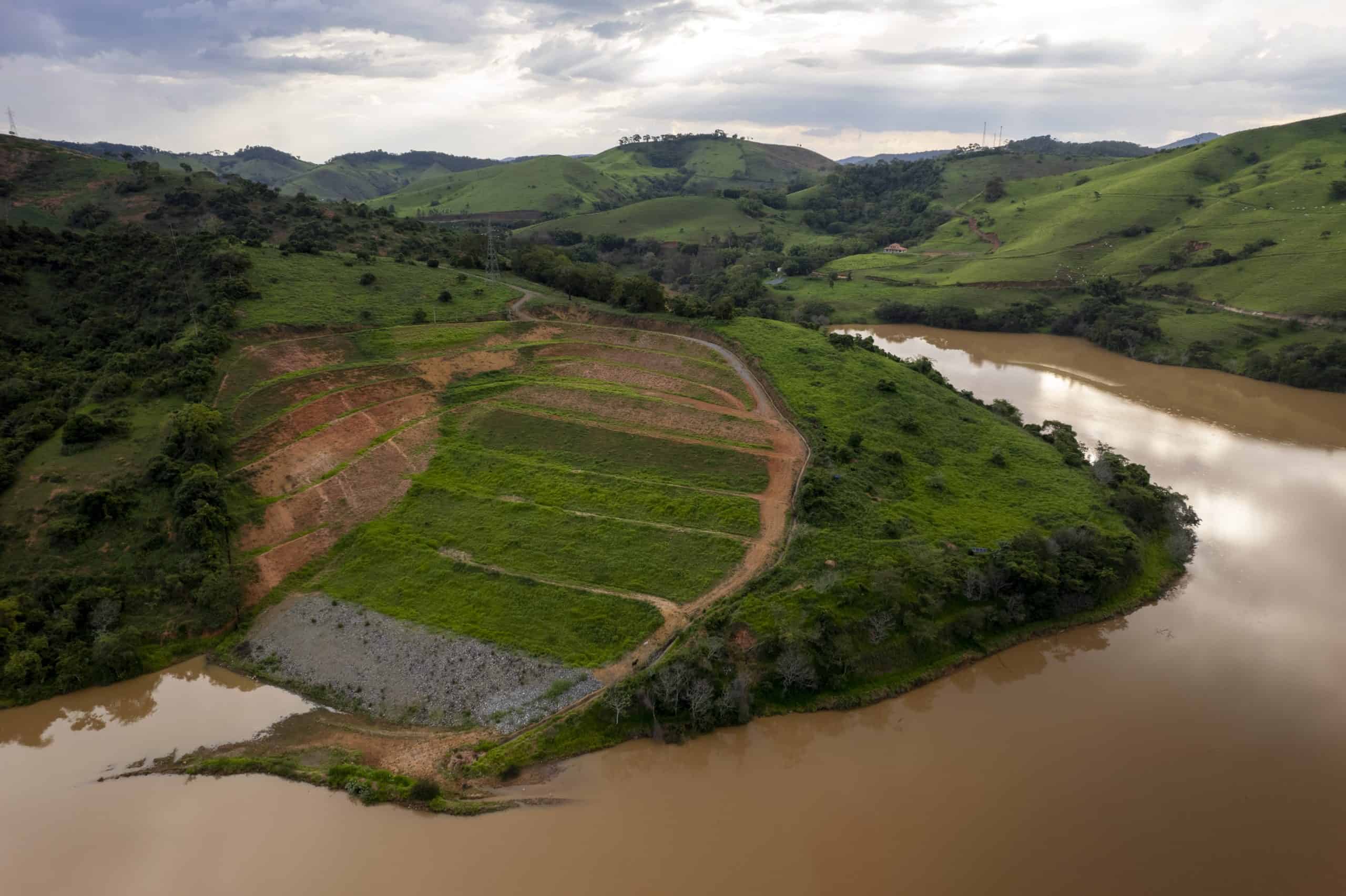
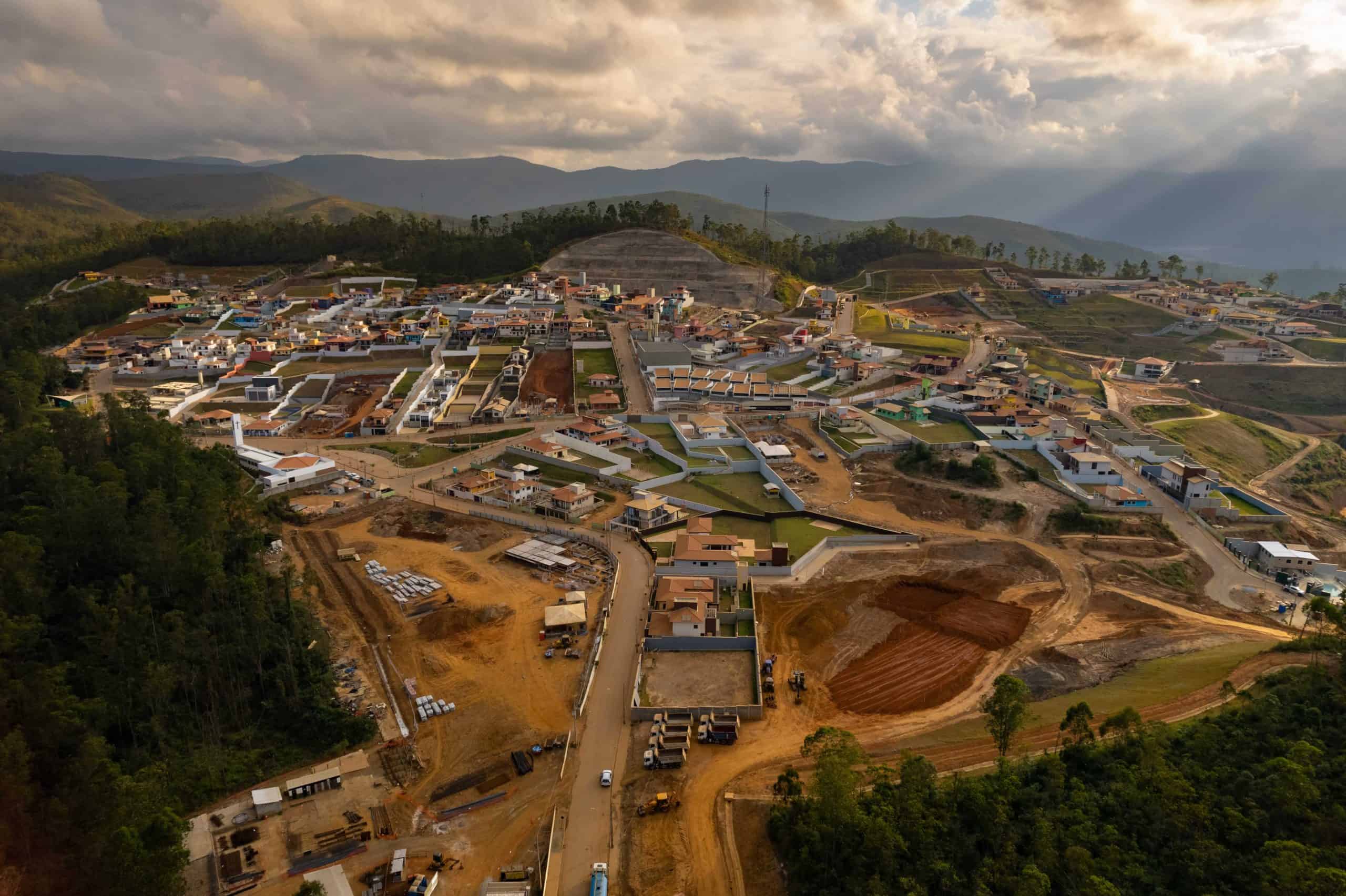
The dam breach released toxic sludge into the Rio Doce River, causing one of Brazil’s worst environmental disasters. Entire ecosystems were devastated, and the vibrant aquatic life of the river faced significant distress. Additionally, the toxic mudflow contaminated vast stretches of farmland, rendering agricultural activities impossible. The disaster displaced countless families in the affected areas, with the villages of Bento Rodrigues and Paracatu de Baixo among the hardest hit. The Brazilian Institute of Environment and Renewable Natural Resources (IBAMA) highlighted the long-term environmental damage, noting severe soil and water contamination.
Legal Actions and Regulatory Response
In the wake of the disaster, substantial legal actions were pursued against Samarco and its co-owners, Vale and BHP Billiton. The companies faced lawsuits amounting to billions aimed at compensating affected individuals and restoring the environment. New regulatory measures were implemented to prevent future catastrophes, with stricter safety protocols and regular inspections mandated for tailings dams across Brazil. An additional R$32 billion was allocated for compensation and environmental rehabilitation, reflecting the commitment to address the consequences of the disaster. Authorities continue to monitor compliance and safety improvements within the mining sector.
Corporate Governance, ESG, and Sustainability Commitments
Samarco remains committed to robust corporate governance and aligning with environmental, social, and governance (ESG) standards. The company actively engages with stakeholders and prioritizes safety and organizational culture to ensure sustainable operations. These efforts reflect a commitment to responsible mining and sustainable development.
ESG Initiatives and Sustainability Standards
Samarco integrates ESG principles as a core component of its business strategy. The company has set ambitious targets, including a focus on reducing carbon emissions guided by the Science-Based Targets initiative (SBTi). Samarco collaborates with the International Council on Mining and Metals (ICMM) to adopt and adhere to industry-specific sustainability standards. Engaging in comprehensive reporting, the company provides transparency on its environmental impact and efforts to minimize resource consumption.
To enhance governance, Samarco consistently updates its risk management frameworks, emphasizing ethical behavior and transparency. Policies are aligned with global best practices to ensure compliance with international standards. Regular audits and assessments are conducted to ensure continual improvement and adherence to predefined sustainability goals.
Social Responsibility and Stakeholder Engagement
Social responsibility is foundational to Samarco’s operations, and the company places significant emphasis on community engagement. By actively involving stakeholders in decision-making processes, Samarco fosters a collaborative relationship with the communities it impacts. This approach ensures that local needs and expectations are considered and addressed in operational planning.
Efforts to create economic value for stakeholders emphasize shared benefits. Initiatives are designed to support community development through employment opportunities, education, and infrastructure projects. These projects are aligned with the needs of local populations, ensuring that Samarco contributes positively to societal progress.
Safety and Organizational Culture
Safety is a critical aspect of Samarco’s organizational culture. The company maintains rigorous safety standards to ensure the well-being of its employees and the surrounding communities. Regular training programs and safety drills are conducted to prepare the workforce for potential emergencies. These initiatives underscore a zero-harm philosophy, emphasizing accident prevention and risk mitigation.
Within the organization, promoting a culture of safety begins at the leadership level. Executives champion safety-related goals and encourage a proactive approach. Safety metrics are regularly reviewed and reported to ensure continual improvement and accountability across all operational levels, reinforcing commitment to a safe working environment.
Judicial Reorganization and Financial Restructuring
Samarco’s journey through judicial reorganization and financial restructuring illustrates a complex process influenced by its environmental disaster and resultant financial pressures. This section delves into the context leading to the bankruptcy protection, key participants during the restructuring, and the company’s path towards financial recovery.
Causes and Context for Bankruptcy Protection
Samarco, a Brazilian iron ore producer, sought bankruptcy protection following a significant tailings dam failure in 2015. The disaster led to severe environmental damage and enormous liabilities, compelling the company to restructure its debt. Environmental obligations and legal proceedings also added to the financial challenges. Vale and BHP, as stakeholders, faced reputational and financial impacts due to their ownership in Samarco.
Legal proceedings in Minas Gerais put additional pressure on the company, pushing it towards recuperação judicial in Brazil. This step was crucial in reorganizing its financial obligations and stabilizing operations. The reorganization became an essential move to address the pressing claims from creditors and statutory responsibilities.
Restructuring Process and Major Creditors
The restructuring process involved a comprehensive judicial reorganization plan that outlined the exchange of Samarco’s existing debts for long-term unsecured bonds amounting to approximately $3.7 billion. This move was crucial to manage its financial obligations without recourse to its shareholders, Vale and BHP.
Major financial creditors, including bondholders, were pivotal in the approval of the restructuring plan. The courts confirmed the plan with the support from a significant portion of these creditors, which was a key requirement under Brazilian bankruptcy law. Samarco also utilized Chapter 15 proceedings in the U.S., allowing international recognition of its restructuring efforts.
Outcomes and Financial Recovery
The successful implementation of the judicial reorganization plan marked a significant milestone in Samarco’s road to recovery. The Minas Gerais civil court decreed the completion of Samarco’s reorganization process, signaling the effective management of its liabilities. This process helped Samarco stabilize its finances and regain operational capacity.
Acknowledged as a successful restructuring, it earned the “Restructuring Deal of the Year” award. Despite the ongoing financial uncertainties, Samarco’s reorganization and financial restructuring strategies have laid the groundwork for future stability and potential growth. Stakeholder cooperation was instrumental, reflecting a consensual path towards the recovery and resilience of the company.
Operational Recovery and Future Prospects
Samarco is navigating through a comprehensive recovery plan, targeting full operational capacity and resolving past environmental issues. The company’s investment efforts focus on production enhancements and sustainable practices.
Production Capacity and Investment Plans
Samarco is actively working to restore its iron ore operations, with plans to reach full capacity by 2028. The company is implementing substantial investments such as the $1 billion allocated to infrastructure upgrades. Progress is evident from their Q2 2025 operational report, which highlighted a production increase to 3.9 million metric tons of pellets and fines. This boost in output reflects significant advancements in their recovery efforts and strategic expansions.
Environmental Remediation and Reparations
Initiatives addressing the aftermath of the 2015 dam disaster are crucial for Samarco’s path forward. The company is committed to fulfilling its responsibilities, illustrated by its comprehensive environmental plans overseen in collaboration with government bodies like IBAMA and commitments to restoring the Rio Doce River. These reparations emphasize a focus on mitigating ecological damage and supporting affected communities.
Long-Term Sustainability and Industry Implications
For long-term sustainability, Samarco aims to evolve beyond mere recovery by integrating innovative mining practices. Collaborations with its stakeholders, Vale and BHP, are crucial in these endeavors. The objective extends beyond operational stability, aspiring to set a precedent within the industry. By focusing on reducing environmental footprints while meeting production targets, Samarco is aligning itself with global sustainability standards, impacting both regional and industry landscapes.