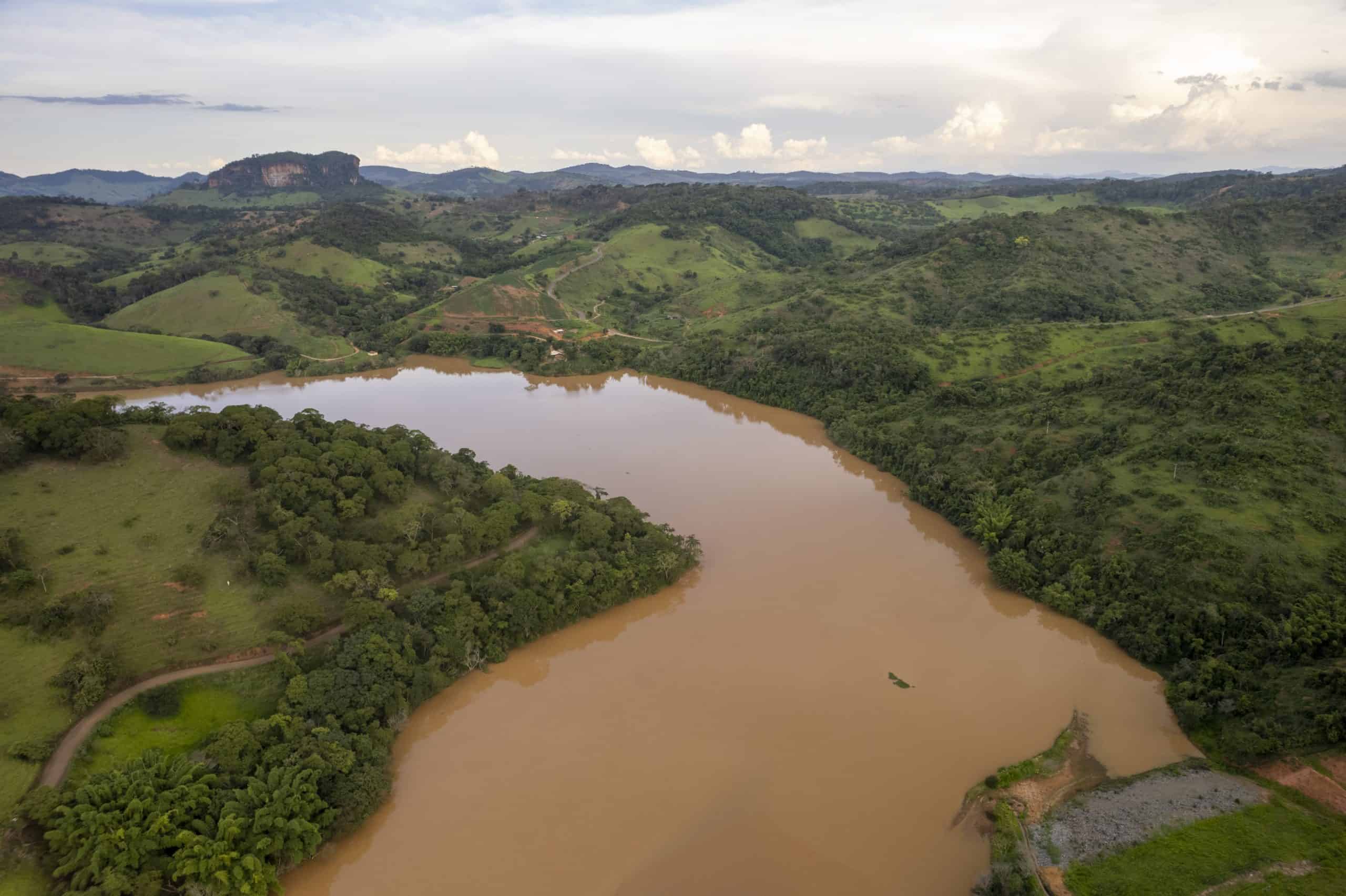
In November 2015, a catastrophic event unfolded in the Brazilian state of Minas Gerais, forever altering the landscape and lives surrounding it. The Fundão tailings dam, operated by the Samarco company, suddenly collapsed, unleashing a torrent of toxic sludge into the region. This incident marked Brazil’s most significant environmental disaster to date, affecting communities, ecosystems, and water bodies across 668 kilometers.
The immediate aftermath of the dam breach was devastating, with entire villages overwhelmed by the tidal wave of waste. People who lived in the vicinity faced not only the loss of homes but a fundamental disruption of their livelihoods and environment. Rescue efforts and emergency responses were launched, though the path to recovery remains ongoing years later.
The extent of the ecological damage prompted widespread concern and debate over mining regulations and corporate responsibility. Examining the failures that led to this disaster provides critical insights into industrial safety and environmental preservation efforts globally. Understanding this complex tragedy is pivotal in framing future approaches to preventing similar incidents.
Background and Causes of the Mariana Dam Disaster
The Mariana Dam Disaster in Brazil was caused by the collapse of the Fundão tailings dam operated by Samarco, a joint venture between Vale and BHP. This event marked one of the catastrophic failures in mining history, driven by structural inadequacies and operational mismanagement.
Overview of the Fundão Tailings Dam
The Fundão Tailings Dam was constructed to hold waste from the iron ore extraction processes in Minas Gerais, Brazil. It stored mine tailings, which are the by-products of mining operations. The dam’s design aimed to safely contain millions of cubic meters of waste. Nonetheless, the dam was structurally challenged, evidenced by repeated warnings and past incidents that signaled stability issues. The lack of robust safety protocols contributed to its vulnerability, raising concerns about the dam’s long-term viability.
Mining Companies Involved
The dam was operated by Samarco, a joint venture company formed by two mining giants, Vale and BHP. Vale, a Brazilian multinational, and BHP, a global mining leader from Australia, both had significant stakes. They were responsible for ensuring operational safety and adhering to environmental regulations. Both companies faced scrutiny for inadequate oversight and delayed responses to warning signs. Their joint management practices came under investigation, exposing gaps in their risk management frameworks.
Lead-Up to the Dam Collapse
In the lead-up to the collapse, several factors went unchecked that contributed to the disaster. Geotechnical reports had highlighted weaknesses, but there was a failure to address these critical warnings adequately. Insufficient drainage systems and increasing pressure on dam walls were ignored. Complaints from environmental groups and local communities also went unheeded. An accumulation of issues over time created conditions that led to the dam’s eventual failure on November 5, 2015. The collapse released millions of cubic meters of toxic mud across the Doce River, resulting in widespread devastation.
Immediate and Long-Term Environmental Impacts
The Mariana Dam Disaster had critical environmental consequences. The release of toxic mining waste led to extensive contamination, affecting several regions. This disaster significantly damaged Bento Rodrigues and had far-reaching effects on the Rio Doce, ultimately impacting the Atlantic Ocean ecosystems.
Toxic Waste Release and Contamination
The collapse of the Fundão dam released approximately 45 million cubic meters of toxic sludge into the environment. This mining waste, rich in heavy metals, spread over a vast area, causing immediate contamination. Iron ore waste, containing harmful substances like arsenic and mercury, polluted the soil and waterways, posing significant health risks to the local population and wildlife.
Over time, the persistence of these contaminants in the ecosystem continues to threaten biodiversity. The contamination of farmlands has disrupted agriculture, and toxic elements in water sources remain a serious concern, affecting both human communities and aquatic life.
Destruction in Bento Rodrigues and Beyond
The village of Bento Rodrigues was practically erased following the dam’s failure. Toxic mud engulfed homes, schools, and infrastructure, forcing residents to flee and causing irreparable environmental damage. The impact was both immediate and devastating, resulting in loss of life and displacement of hundreds of people.
Beyond Bento Rodrigues, the disaster spread through the surrounding countryside. The landscape was marred by extensive soil erosion and habitat destruction, affecting local flora and fauna. The disruption extended to neighboring towns, leading to widespread economic and environmental strain.
Impact on the Rio Doce and Atlantic Ocean
The Rio Doce quickly became a conduit for the toxic mining waste. As the sludge flowed downstream, it caused immense harm to aquatic ecosystems. Fish populations plummeted, and the contamination extended to drinking water sources, impacting thousands of people along the river’s path.
Eventually, the toxic sludge reached the Atlantic Ocean. This escalated the environmental damage, threatening marine biodiversity and affecting coastal communities. The long-term effects include altered spawning grounds and disrupted marine habitats, which continue to harm fisheries and local economies dependent on ocean resources.
Legal Proceedings and Compensation Efforts
In the aftermath of the Mariana Dam Disaster, a complex web of legal proceedings has unfolded globally. Focus areas include key lawsuits initiated in Brazil and abroad, the role of Brazilian authorities, and the involvement of international courts like the UK High Court. These legal actions aim to ensure accountability and secure compensation for affected communities.
Key Lawsuits and Legal Actions
The Mariana Dam Disaster sparked a series of legal actions aimed at obtaining justice and compensation for damages. Notable lawsuits include those filed by affected Brazilian communities and international claimants. Pogust Goodhead, a law firm, has played a significant role in these proceedings. They have sought compensation in various courts, highlighting the extensive damages suffered.
Compensation claims total hundreds of billions in Brazilian real, reflecting the disaster’s scale. These claims address both individual and collective damages, emphasizing the need for comprehensive reparation.
Liability and Involvement of Mining Companies
Mining giants such as Vale and BHP Billiton face immense scrutiny due to their key roles in the disaster. Liability claims have been aggressively pursued against these companies. They are accused of failing to adhere to necessary safety standards, which allegedly led to the dam’s failure.
These companies have engaged in settlement discussions, including a definitive agreement with Brazilian authorities. Despite these settlements, questions remain about their accountability and commitment to community restitution.
Role of Brazilian Authorities
Brazilian authorities have undertaken significant measures to address the disaster’s aftermath. They have facilitated compensation negotiations, navigating complex multi-party agreements. These efforts led to the creation of a $49 billion fund, designed to finance long-term recovery and support.
Authorities have been instrumental in reaching settlements to ensure victims receive promised reparations. Their involvement has also been crucial in coordinating between local and international legal bodies to streamline the legal process.
International Litigation and the UK High Court
In parallel with domestic legal actions, international litigation has gained momentum. The UK High Court has been an important venue for claimants seeking justice. Legal actions there involve complex cross-border jurisdiction issues, where Brazilian communities seek to hold corporations accountable outside of Brazil.
The case has seen various appeal stages, with the UK Court of Appeal being pivotal in decisions related to jurisdiction and admissibility. These international efforts underscore the transnational nature of the legal response to the disaster, reflecting ongoing debates about corporate accountability on a global scale.
Rehabilitation and Ongoing Recovery
Efforts to recover from the Mariana Dam disaster have involved environmental restoration, continued support for those affected, and comprehensive monitoring. Rehabilitation initiatives strive to address ecological damage while ensuring affected communities receive necessary assistance.
Renova Foundation and Restoration Projects
The Renova Foundation spearheads rehabilitation projects, a collaborative initiative involving Samarco, Vale, and BHP Billiton. It focuses on restoring the Doce River ecosystem and surrounding habitats. Restoration projects tackle tailing removal and replantation of native flora to revive ecological balance. In the Mariana district and Espírito Santo, the foundation invests in scientific research to assess recovery progress and develop innovative restoration techniques. These efforts prioritize lasting ecological benefits and harmonize economic activities with environmental sustainability.
Support for Affected People
Support for affected people remains a top priority. Compensation and relocation initiatives assist those displaced or impacted by the disaster. Financial restitution aids economic recovery and helps rebuild livelihoods. Support programs provide access to mental health services and community workshops to address trauma and promote resilience. Education and vocational training programs empower community members to adapt and thrive in the post-disaster landscape. Such comprehensive support underpins long-term recovery and stability for impacted families and communities.
Continued Environmental Monitoring
Continued environmental monitoring ensures restored areas remain healthy and thriving. Authorities conduct regular assessments of river water quality and soil conditions. Advanced technology tracks ecological indicators to discern recovery trends and inform policy adjustments. This ongoing analysis helps preempt potential ecological threats, allowing swift remedial action. Engagement with ecosystems scientists and local partners secures sustained vigilance, enhancing the resilience of affected regions over time.