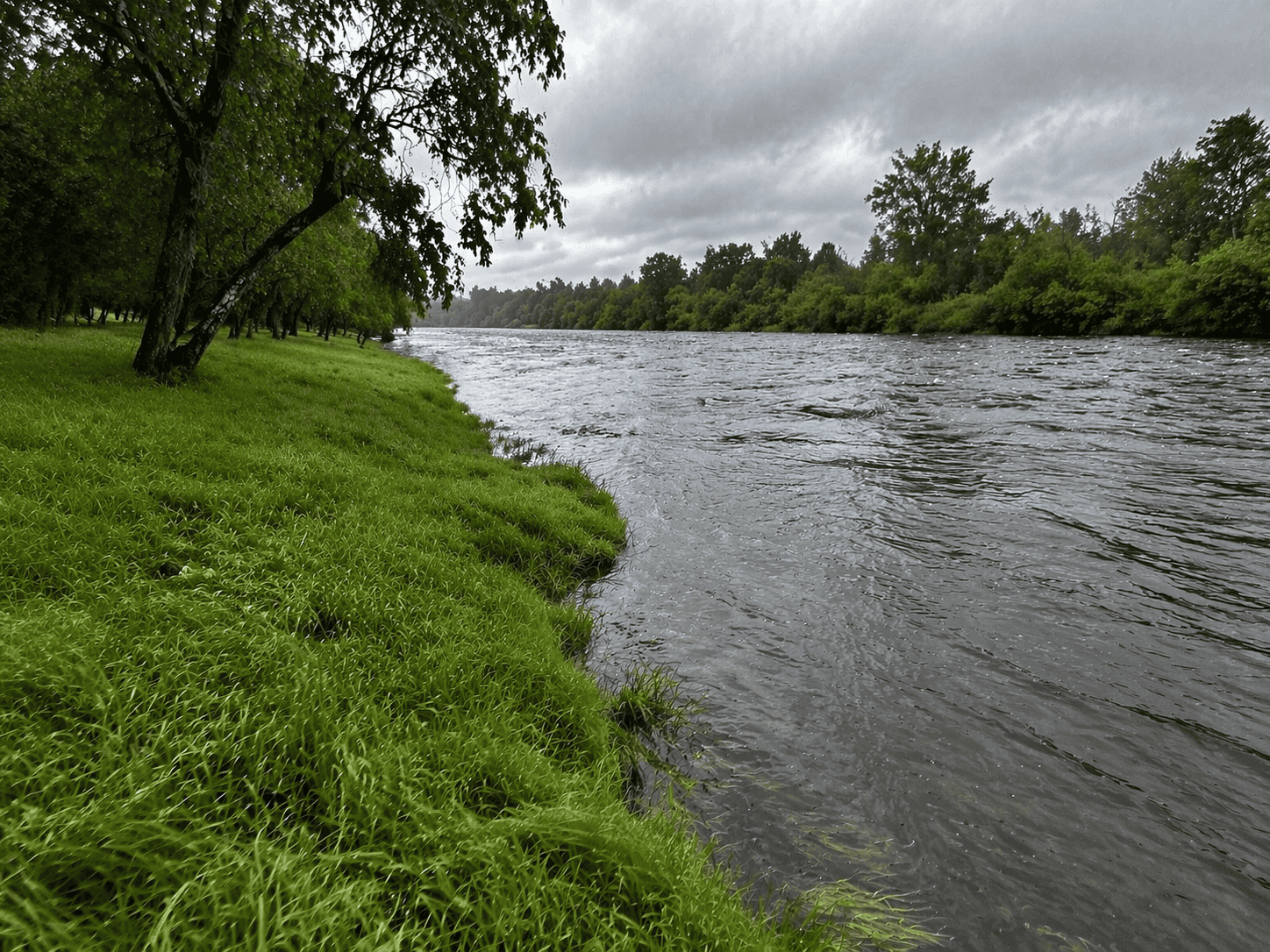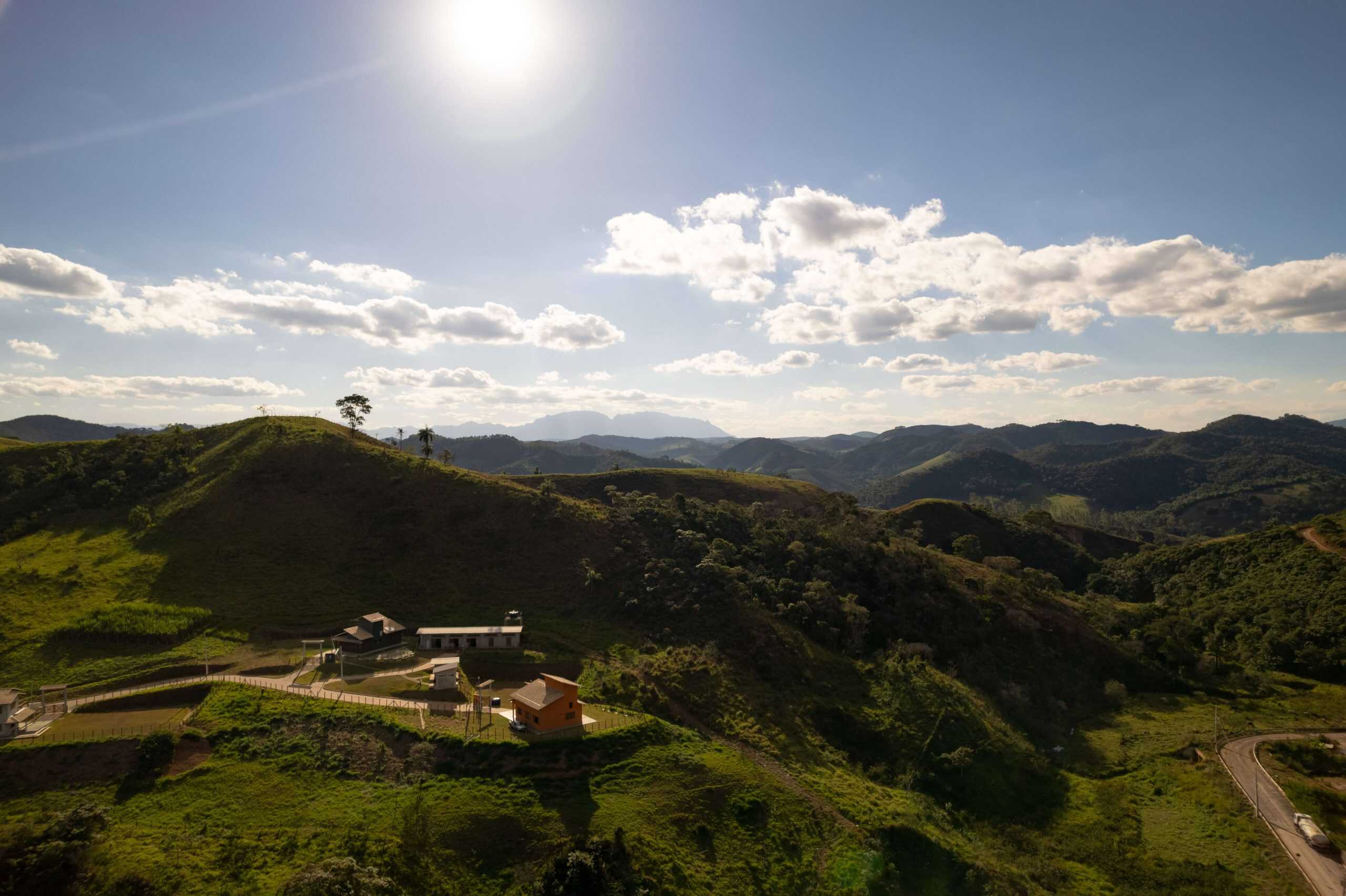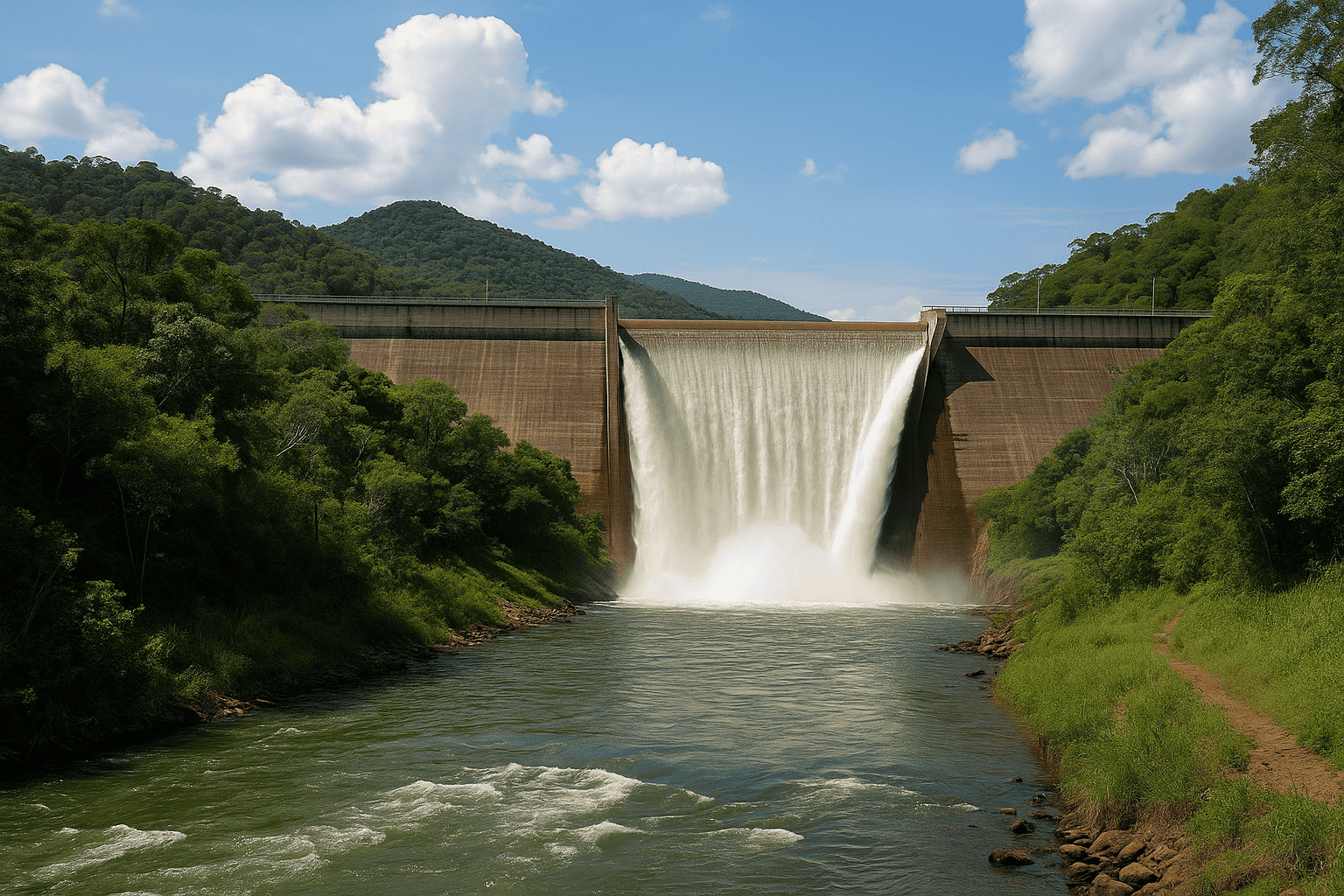
The Mariana Dam Disaster stands among the most devastating environmental catastrophes in Brazil’s history. Occurring on November 5, 2015, the failure of the Fundão tailings dam, operated by Samarco, released a massive flow of toxic mine waste. The pollutants spread across 668 kilometers, affecting the Doce River and its surrounding ecosystems extensively.
The impact of the disaster was profound, generating a cascade of ecological and socio-economic consequences. Villages were destroyed, leaving thousands homeless and causing a significant loss of biodiversity in the region’s aquatic life. The disaster sparked a national and international outcry for stricter environmental regulations and more responsible mining practices.
In the years since, efforts to address the aftermath involve ongoing remediation and legal actions as communities and organizations strive to recover. This event has become a pivotal moment in environmental management debates, highlighting the urgent need to balance industrial progress with sustainable practices.
Overview of the Mariana Dam Disaster
The collapse of the Fundão Tailings Dam led to the release of millions of cubic meters of mining waste, affecting ecosystems and communities. The disaster involved various companies and affected areas over 100 kilometers downstream, demonstrating the far-reaching impact of such industrial failures.
Timeline and Causes of the Fundão Tailings Dam Collapse
The Fundão Dam, located near Mariana in Southeast Brazil, collapsed on November 5, 2015. The dam failure unleashed approximately 60 million cubic meters of iron ore waste and mud. Investigations pointed to design flaws and structural weaknesses as key contributors.
Seismic activity may have exacerbated these structural issues. Assessment reports indicated that warning signs were present, but insufficient action was taken to prevent the catastrophe. Understanding these elements is crucial for preventing future similar incidents.
Location and Impacted Areas
The dam collapse occurred in the Mariana district of Minas Gerais. The resulting deluge affected several towns, including the village of Bento Rodrigues, which was almost entirely destroyed. The toxic flow extended over 100 kilometers downstream, reaching the Candonga Hydroelectric Dam.
The environmental damage spread across the Rio Doce basin, impacting water supplies and ecosystems extensively. Barra Longa county also faced significant sediment deposits, highlighting the extensive reach of the disaster.
Companies Involved
The Fundão Dam was operated by Samarco, a joint venture between mining giants Vale S.A. and BHP Billiton. Vale and BHP Billiton, as major stakeholders, faced significant reputational and financial consequences.
Both companies participated in clean-up efforts and compensation arrangements. These engagements underscore the companies’ responsibilities and liabilities concerning industrial safety and environmental stewardship. Efforts continue to focus on ecological restoration and community rehabilitation.
Environmental and Socioeconomic Consequences
The Mariana Dam Disaster resulted in widespread environmental and socioeconomic impacts. Toxic sludge release and ecological damage were coupled with devastating effects on local communities. Rehabilitation efforts continue.
Toxic Sludge and Mining Waste Contamination
The breach of the Fundão dam unleashed an enormous volume of toxic sludge and mining waste. This iron ore waste spread over vast areas, contaminating soil, rivers, and coastal regions. The resulting toxic mud contained heavy metals, posing serious risks to wildlife and human health. Contamination disrupted ecosystems and agricultural lands, leading to long-term environmental challenges as the toxic elements could persist and affect local habitats.
Ecological Damage to the Rio Doce and Atlantic Ocean
The Rio Doce suffered severe ecological damage from the inflow of mining waste. Aquatic life faced massive mortality, and the river’s biodiversity took a significant hit. As the sludge reached the Atlantic Ocean, it caused harm to marine life and coastal ecosystems, notably affecting Espírito Santo. The sediment altered habitats, affecting fish populations and mangrove forests essential for coastal stability and fishery resources.
Impact on Affected People and Communities
The socio-economic impacts extended to over a million people in 41 municipalities. Local economies, heavily reliant on agriculture and fishing, suffered devastating blows. Loss of livelihoods led to economic hardships, especially among families depending on these sectors. Communities faced health hazards due to polluted water sources, and access to clean water became a pressing issue, compounding the disaster’s toll on residents’ wellbeing.
Rehabilitation and Recovery Efforts
Rehabilitation efforts aimed at restoring the environment and assisting affected populations have been extensive. Recovery initiatives include restoration of ecosystems, water quality improvement, and community support programs. Collaborative efforts between government agencies and organizations have been pivotal in these processes. Ongoing initiatives focus on reestablishing livelihoods and ensuring the long-term viability of affected communities, although challenges remain due to the scale of the disaster.
Legal and Financial Ramifications
The Mariana Dam Disaster resulted in extensive legal and financial consequences. A detailed claims process was implemented for those affected, and numerous lawsuits were filed, focusing on environmental harm and corporate negligence. Responsibility was a core issue, leading to the establishment of the Renova Foundation to manage compensation and restoration efforts.
Compensation and Claims Process
Following the disaster, a comprehensive compensation framework was developed to address the multiple claims from individuals and businesses affected. Claimants include residents, fishermen, and landowners who suffered from the environmental damage caused by the toxic waste spill. The Renova Foundation was tasked with managing the compensation process, ensuring claims were processed efficiently and that the victims received fair settlements.
Compensation packages varied, depending on the level of impact on the claimant’s livelihood and property. The process faced challenges, including fraudulent claims and disputes over the adequacy of payouts. Brazilian authorities closely monitored the implementation to ensure transparency and accountability. Efforts continue to address unresolved claims and provide ongoing support to victims as they recover from the disaster’s impact.
Lawsuits and Legal Proceedings
The aftermath of the Mariana Dam Disaster saw a flood of lawsuits both within Brazil and internationally. Collective environmental lawsuits were filed in Brazilian courts, accusing the responsible companies of negligence and environmental destruction. These legal actions demanded accountability for the irreversible harm caused to the ecosystem and local communities.
Globally, legal actions were pursued in jurisdictions, including the United Kingdom. Notably, law firm Pogust Goodhead spearheaded a significant case against the companies involved, representing thousands of claimants in the UK High Court. The complexity of legal proceedings reflects the disaster’s extensive impact, involving multi-jurisdictional frameworks and substantial corporate liabilities.
Liability and Responsibility
Determining liability in the Mariana Dam Disaster was a complex process involving multiple stakeholders. Brazilian authorities identified the companies responsible for operating and maintaining the dam, primarily focusing on ensuring accountability for safety neglect. Legal proceedings emphasized the need for stringent safety protocols and corporate social responsibility in managing industrial operations.
Environmental lawsuits highlighted the urgent requirement for improved regulatory measures and monitoring of dam integrity across the region. Liability also extended to ensuring that affected communities received adequate support and resources for rebuilding their lives. The disaster served as a catalyst for revisiting industrial regulations and enhancing enforcement frameworks to prevent future tragedies.
Role of the Renova Foundation
The Renova Foundation was established as a critical entity for facilitating the recovery and restoration efforts following the Mariana Dam Disaster. Its mandate includes managing compensation, environmental remediation, and infrastructure reconstruction. The foundation’s objective is to address both immediate relief needs and long-term restoration goals.
Under continuous oversight, the Renova Foundation collaborates with Brazilian authorities and international experts to implement sustainable recovery measures. Initiatives focus not only on financial compensation but also on restoring ecosystems, rebuilding destroyed infrastructure, and supporting community resilience. The foundation faces ongoing challenges, from coordinating large-scale environmental projects to ensuring the transparency of operations in fulfilling its extensive mandate.