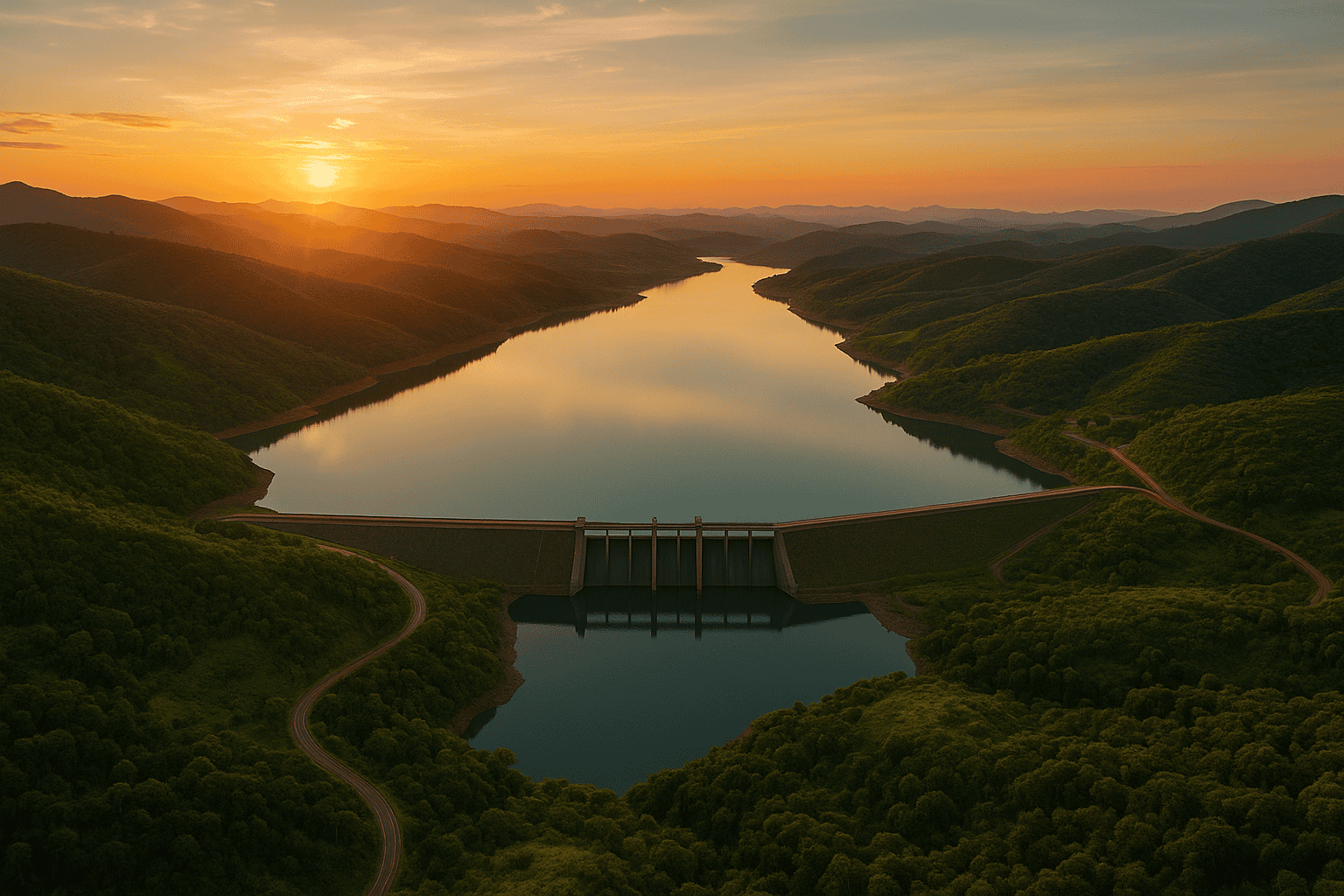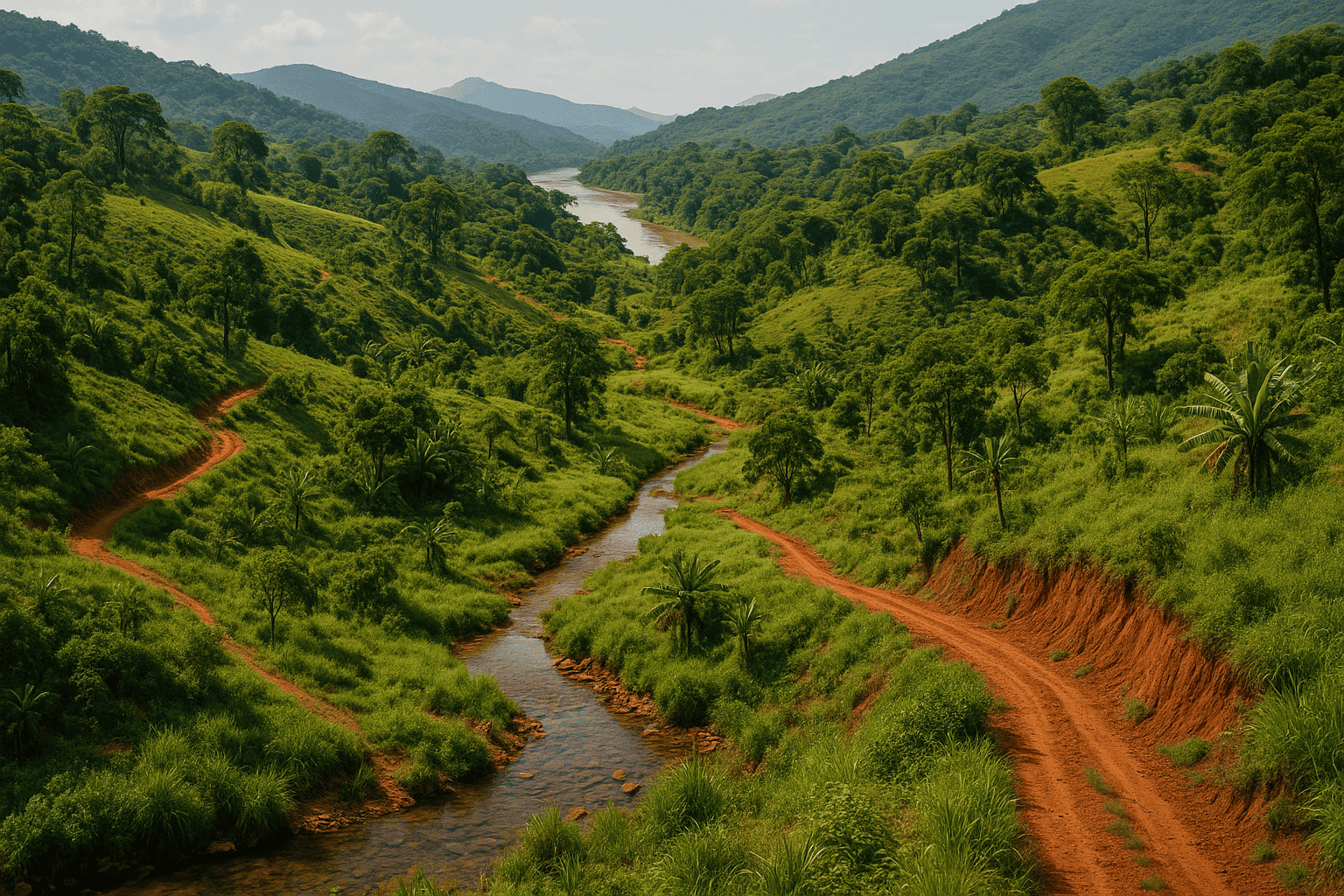
The Mariana Dam Disaster, which occurred in November 2015, marked one of the most devastating environmental catastrophes in Brazil’s history. This tragic event resulted from the failure of the Fundão tailings dam operated by Samarco, a mining company jointly owned by Vale and BHP Billiton. The collapse unleashed millions of cubic meters of iron ore waste into the Doce River, affecting communities and ecosystems over a vast area.
The disaster’s impact was profound, extending pollution over 668 kilometers downriver, contaminating water supplies, and destroying habitats. The aftermath saw significant ecological damage and a national outcry, highlighting issues related to industrial safety and environmental governance. The disaster prompted regulatory changes and increased scrutiny on dam management practices.
As investigations unfolded, the focus turned not only to the technical failures that led to the dam’s collapse but also to the broader implications for the mining industry in Brazil and globally. Insights gained from this disaster continue to influence policy-making and corporate responsibility standards, driving efforts to prevent similar tragedies in the future.
Overview of the Mariana Dam Disaster
The Mariana Dam Disaster was a catastrophic event that resulted in significant environmental and social damage in Brazil. It involved the collapse of the Fundão Tailings Dam and affected local communities, ecosystems, and industries in Southeast Brazil.
Location and Background
The disaster occurred at the Fundão Tailings Dam near the city of Mariana, in the state of Minas Gerais, Brazil. This region is known for its rich mineral deposits and is a hub for mining activities. The dam was operated by Samarco, a joint venture between Vale S.A. and BHP Billiton, two large mining companies.
The site of the collapse is situated in a valley, making the downstream areas particularly vulnerable to such large-scale accidents. The nearby districts, including Bento Rodrigues, faced the brunt of the flooding, leading to devastating human and environmental impacts. This incident is a stark reminder of the risks involved in tailings dam operations, particularly in ecologically sensitive and populous regions.
Causes of the Fundão Tailings Dam Collapse
The precise causes of the Fundão Tailings Dam collapse remain subjects of extensive investigation and debate. Initial findings suggest a combination of structural failure and operational issues likely contributed to the tragedy. Experts highlighted poor drainage and design flaws among potential contributing factors.
Investigations pointed to inadequate safety practices and insufficient regulatory oversight, both of which may have exacerbated the situation. Furthermore, there were criticisms regarding how the tailings material was managed and stored, as improper management of such residues can increase the risk of collapse. Understanding these factors is crucial for developing improved safety and regulatory frameworks for future mining operations.
Timeline of Key Events
On November 5, 2015, the Fundão Tailings Dam collapsed, releasing approximately 60 million cubic meters of iron ore waste and mud. The surge of waste quickly swamped nearby communities, most notably the district of Bento Rodrigues.
Emergency response teams were immediately deployed to the site, but the extent of the damage and the toxic nature of the mud made rescue and cleanup operations challenging. Over the following days and weeks, the ramifications of the disaster unfolded, highlighting the extent of the environmental and human toll. Both local and international entities began investigations to identify root causes and provide aid, signifying the global recognition of the disaster’s magnitude.
Environmental and Social Impact
The Mariana Dam disaster in Brazil caused a significant ecological and human crisis. It released massive volumes of iron ore waste into the environment, disrupted ecosystems, and affected thousands of people, primarily in the municipalities around Mariana.
Extent of Environmental Damage
The collapse of the Fundão Dam unleashed around 60 million cubic meters of iron ore waste, resulting in an unprecedented environmental disaster. The toxic mud buried vast tracts of land, destroying habitats and ecosystems. Rivers like the Rio Doce were severely impacted, losing aquatic life and biodiversity. The toxic sludge eventually reached the Atlantic Ocean, causing contaminations that extended to coastal ecosystems.
Contamination and Spread of Toxic Waste
The spread of toxic waste was extensive, covering over 600 kilometers. The heavy metals in the mining waste contaminated soil and water bodies, making them unsafe. This led to widespread pollution in rivers, affecting their usability for drinking, fishing, and irrigation. The contamination had long-term effects on water quality, impacting the health and livelihood of animals and humans residing in the area.
Impact on Local Communities
Communities in the vicinity bore the brunt of this catastrophe. Many lost their homes, land, and sources of income, primarily derived from agriculture and fishing. Public and private infrastructure was obliterated, leading to displacement. The socio-economic fabric was disrupted, causing psychological trauma and economic dependence on aid. The repercussions on health were worrisome, with increased exposure to toxic elements contributing to various ailments.
Rehabilitation and Recovery Efforts
Efforts to rehabilitate the affected regions and communities involved extensive measures. Initiatives focused on cleaning up the toxic sludge and restoring contaminated environments. Rebuilding infrastructure and providing essential services were integral. Social programs aimed to support affected individuals and rejuvenate their economic activities. Nonetheless, the rehabilitation process faces challenges, with long-term recovery projected to take several years due to the scale of impact.
Legal Proceedings and Accountability
The Mariana Dam Disaster prompted significant legal actions and inquiries to assess responsibility and seek compensation for victims. The focus has been on lawsuits filed in multiple jurisdictions, addressing liability and the role of authorities in managing the aftermath.
Key Lawsuits and Legal Actions
Following the disaster, a series of lawsuits were initiated both in Brazil and internationally. One of the primary legal actions involved Pogust Goodhead, a law firm representing Brazilian claimants in an environmental lawsuit in the United Kingdom’s High Court. This lawsuit against BHP aimed to gain compensation for the extensive damage caused by the dam collapse.
Courts in England and Wales became key venues for these proceedings, reflecting the global nature of this legal pursuit. The magnitude of the environmental damage and the sheer number of affected people made these legal actions among the largest of their kind.
Liability and Compensation
Determining liability has been a central aspect of the legal proceedings. BHP, an Anglo-Australian mining company, faced claims regarding its responsibility for the dam’s failure. The litigation sought to establish the extent of BHP’s liability to those impacted by the disaster, including individuals, families, and communities.
Compensation remains a critical element, providing financial relief and support to the victims. The Renova Foundation was established to oversee compensation distribution and ensure affected parties receive appropriate reparations. Settlement proposals offered choices between immediate payment and awaiting court outcomes, presenting a challenging decision for many claimants.
Role of Brazilian Authorities
Brazilian authorities played an essential role in the immediate response to the disaster and the ongoing legal investigations. They were responsible for evaluating the environmental impact and framing the legal context for the proceedings domestically. The involvement of entities such as environmental agencies underscored the importance of government oversight in managing the repercussions of this disaster.
Authorities also collaborated with international legal systems, illustrating a comprehensive approach to tackling the accountability of multinational corporations involved. Their engagement ensured that legal standards were upheld while attempting to restore justice and ecological balance in the affected areas.