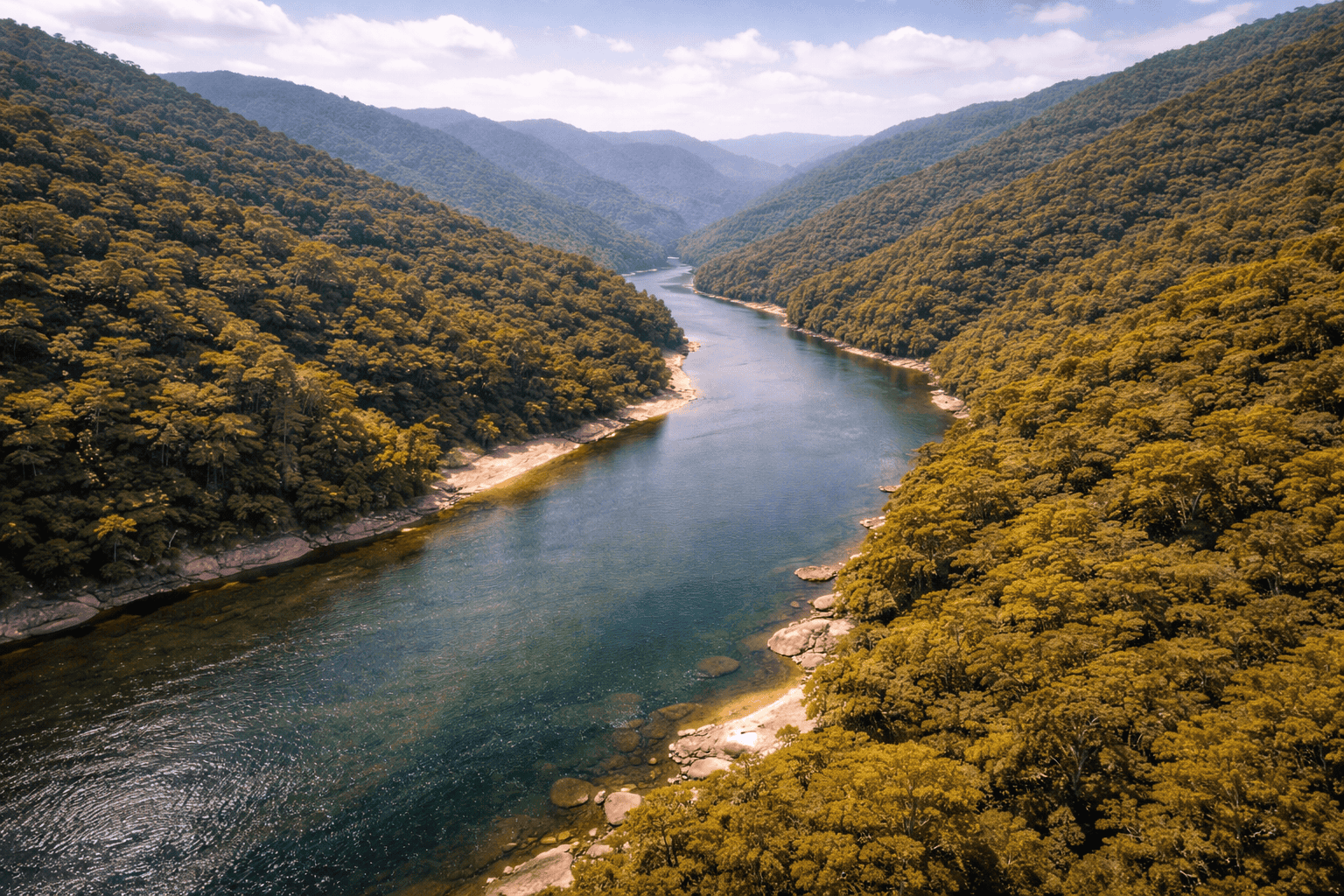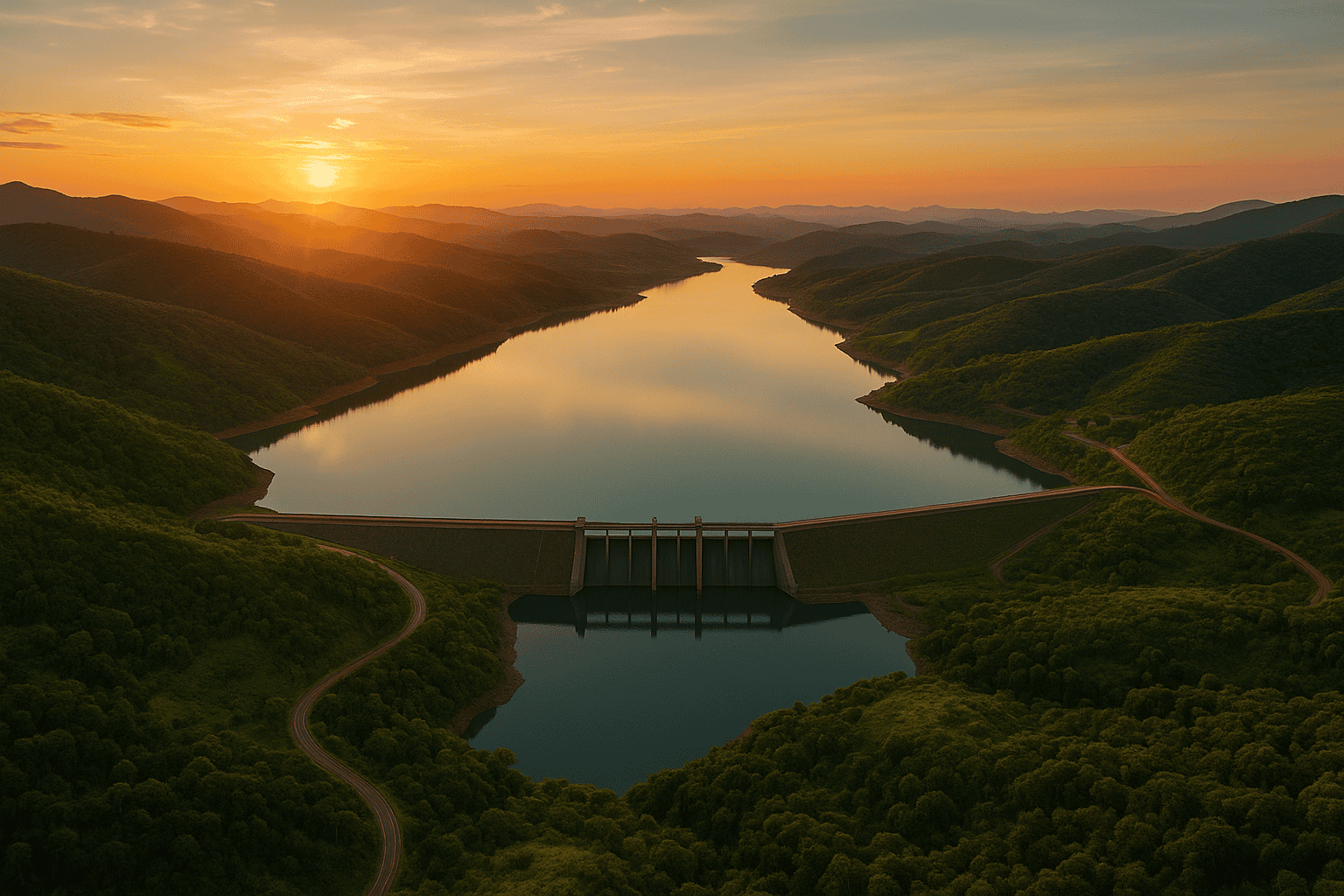
Mariana, a historic city nestled in the heart of Brazil, became the unwilling epicenter of a devastating environmental disaster. In November 2015, the collapse of the Fundão dam unleashed a torrent of mining waste that spilled into the Doce River, radically altering the landscape and impacting countless communities. This tragic event not only caused irreversible ecological damage but also highlighted significant gaps in regulatory oversight and disaster preparedness.
Efforts to address the environmental and social repercussions of the Fundão dam collapse have been underway, spearheaded by various governmental and non-governmental entities. The rehabilitation process involves extensive environmental restoration, including the reforestation of affected areas and the revitalization of water systems. Comprehensive protocols are being developed to ensure better protection against potential future disasters.
The tragedy at Mariana serves as a poignant reminder of the substantial risks associated with insufficiently regulated industrial activities. It compels stakeholders to prioritize sustainable practices and implement more robust safeguards in mining operations. Through these ongoing efforts, there is a cautious optimism that the region can recover and evolve from this catastrophic event.
Immediate Aftermath and Environmental Consequences
The collapse of the Fundão Dam in Mariana in 2015 resulted in catastrophic environmental damage. Vast volumes of mining tailings flowed through communities and ecosystems, leading to widespread destruction.
Collapse and Flow of Tailings
The collapse of the Fundão Dam prompted the release of millions of cubic meters of mining tailings. These tailings comprised iron ore residue that swiftly inundated nearby areas, including the districts of Bento Rodrigues and Paracatu de Baixo. The immediate aftermath witnessed a powerful surge of mud engulfing entire settlements. The flow continued its destructive path downstream, affecting an extensive area. This surge not only obliterated structures but also severely contaminated the lands with sediments heavily laden with metals like manganese, lead, and cadmium.
Destruction of Local Communities
The communities of Bento Rodrigues and Paracatu de Baixo suffered immense devastation following the disaster. Homes and public infrastructure were completely destroyed, resulting in homelessness and displacement for numerous families. The tragedy claimed the lives of 19 individuals, leaving a deep scar on the local populace. Residents faced the loss of their properties, livelihoods, and cultural heritage. The sudden disruption of daily life translated into long-lasting social and economic challenges. The incident necessitated an urgent response to aid displaced families, yet recovery efforts struggled to meet immediate needs.
Impacts on Waterways and Ecosystems
The release of mining tailings severely impacted the Rio Doce and its tributaries, including the Gualaxo do Norte. The rivers turned into conduits for the toxic sludge, affecting up to 800 kilometers of the river systems. Sediments containing heavy metals accumulated, endangering aquatic life and significantly altering the riverine ecosystem. The disaster extended to the Atlantic Ocean, depositing pollutants along the way. The biodiversity of the Rio Doce basin, part of the precious Mata Atlântica, was compromised. Many species faced habitat loss and severe pollution, disrupting ecological balance. The significance of this environmental catastrophe highlighted the urgency for ecological restoration.
Assessment of Contamination and Ecological Recovery Efforts
Following the catastrophic failure of the Fundão dam in Mariana, widespread environmental damage ensued. This section examines key areas such as soil, water, and sediment contamination, the presence of heavy metals, and the ecological recovery attempts through reforestation and monitoring efforts.
Soil, Water and Sediment Analysis
The rupture released millions of cubic meters of iron ore mining waste, adversely affecting soil and water quality. Detailed sediment analysis reveals significant contamination along the Rio Doce basin. Testing has been vital to understanding the extent of pollution, focusing on water quality monitoring. Efforts have aimed to stabilize sediments and mitigate further contamination, with emphasis on managing toxic materials and improving water systems. The Instituto Brasileiro do Meio Ambiente e dos Recursos Naturais Renováveis (IBAMA) plays a significant role in ongoing assessments and regulatory actions, working to ensure ecological balance is restored and safeguarded.
Heavy Metal Presence and Effects
The disaster introduced substantial levels of heavy metals into the environment, including arsenic, lead, and mercury. These toxic substances pose risks to humans and biodiversity. Environmental studies report bioaccumulation in aquatic life, leading to potential long-term impacts on the food chain and local economies dependent on fishing. Monitoring programs prioritize identifying areas with the highest contamination levels to focus remediation efforts. Intervention measures aim to reduce exposure and re-establish safe ecological parameters, facilitated by both governmental bodies and private stakeholders involved in recuperação ambiental.
Reforestation and Revitalization Projects
Reforestation initiatives in the affected region, particularly within the Atlantic Forest biome, focus on restoring native vegetation and ensuring habitat resilience. These projects serve critical roles in soil stability and erosion control. Collaborative efforts involve local communities and environmental organizations aiming to rejuvenate ecosystems and promote biodiversity. Native species are selected to optimize ecological restoration, with the goal of achieving sustainable recovery. Crucial to these projects is community involvement, fostering a sense of stewardship and sustainable economic opportunity through activities like planting and maintaining ecological zones.
Monitoring and Reporting Measures
Continuous monitoring of environmental recovery efforts is paramount. Programs emphasize water quality assessment, sediment stability, and ecosystem health. Regular reporting ensures transparency and allows adjustments based on scientific findings. The success of recovery initiatives hinges on robust data collection and analysis, with IBAMA and other organizations using advanced technology for precise environmental evaluation. Engagement in these processes includes stakeholders from all sectors, ensuring accountability and the effectiveness of remedial measures. Partnerships with academic institutions also provide critical insights into the long-term effectiveness of implemented ecological strategies.
Legal Accountability and Compensation Agreements
Following the disaster caused by the rupture of the Fundão dam in Mariana, legal proceedings and compensation agreements have been pivotal in addressing the damage. These agreements, involving national and international jurisdictions, emphasize accountability and the allocation of funds for recovery efforts.
Judicial Proceedings in Brazil and the UK
Legal actions have been conducted in both Brazilian and British courts, spearheading efforts to hold responsible parties accountable. The Brazilian Supreme Court (STF) confirmed the indemnity agreement, which involves companies such as Vale, BHP Billiton, and Samarco. Meanwhile, proceedings in the UK focus on addressing the international dimension of the environmental crimes. These legal frameworks underscore the crucial role of both national and international systems in addressing crimes of such magnitude and enforcing regulations revolving around environmental accountability and protective measures.
Novo Acordo do Rio Doce and Repactuação
The Novo Acordo do Rio Doce, a dedicated agreement restructured for addressing and compensating damages, was designed to ensure comprehensive ecological and community recovery. This repactuation process, led by entities including Fundação Renova and the Agência Estadual de Gestão das Águas (AGU), includes commitments from Vale, BHP, and Samarco. These commitments have been ratified through the legal channels as R$ 170 billion are allocated towards addressing the varied needs that arose due to the catastrophe. This repactuation signifies a collective approach by multiple stakeholders to ensure a cohesive and holistic recovery plan is in place.
Funding, Indemnities, and Municipalities
A key component of the agreements is the substantial financial commitment, totaling R$ 170 billion, allocated by the involved companies to support remediation efforts. These funds are directed towards indemnities and are designed to assist the municipalities severely affected by the disaster. The government of Minas Gerais, alongside the federal government, plays a significant role in overseeing the disbursement of these funds to ensure they reach the intended projects and communities. This financial commitment highlights the pivotal role of economic resources in facilitating effective disaster recovery and compensation.
Transparency and Social Control
Transparency is a cornerstone of the agreements, ensuring that all actions and decisions are made with public oversight. The institutions involved, such as Fundação Renova, are required to maintain open channels of communication with both the affected communities and the broader public. Social control mechanisms are established to guarantee that these agreements’ funding and projects meet the intended goals. Reports and evaluations are crucial for maintaining accountability, ensuring that the affected areas receive not only financial support but also the necessary services and initiatives to foster sustainable recovery and development.
Role of Mining Companies and Governmental Oversight
The collaboration between mining companies and government entities is crucial in ensuring responsible operations and effective disaster recovery. This section will detail the contributions and responsibilities of companies like Samarco, Vale, and BHP, as well as the role of governmental agencies and oversight mechanisms in mitigating the environmental impacts of the Fundão dam failure.
Company Responsibilities and Initiatives
Following the disaster, companies such as Samarco, Vale, and BHP have been actively involved in remediation efforts. Samarco and its parent companies, Vale and BHP Billiton, committed substantial resources towards environmental and social recovery. These companies are responsible for financing initiatives aimed at restoring affected areas and supporting displaced communities. Financial commitments have reached billions of reais, demonstrating their obligation to rectify the damages.
Several programs focus on rebuilding infrastructure and revitalizing ecosystems. Mineração activities have been closely monitored to prevent further incidents, with companies implementing improved safety protocols. Additionally, there is a significant emphasis on community engagement, ensuring that local populations have a voice in their future. These enterprises are obligated to report progress regularly, highlighting their transparency in addressing the crisis.
Governmental Actions and Partnerships
The Federal Government plays a pivotal role in orchestrating the recovery process, collaborating with state governments and other entities. The Advocacy General of the Union (AGU) has been involved in legal frameworks that guide reparative actions. A notable agreement required companies to invest vast sums into recovery efforts, underscoring governmental influence in disaster management.
IBAMA and other regulatory bodies enforce environmental standards, ensuring that rehabilitation aligns with ecological goals. Partnerships with local and international entities enhance resource management and deploy scientific expertise in restoration initiatives. These collaborations exemplify how governmental agencies drive recovery by holding corporations accountable and facilitating cohesive actions across jurisdictions.
Oversight of Environmental Licensing
Rigor in environmental licensing has intensified post-disaster, with stricter criteria for mining operations. Agencies scrutinize licenciamento ambiental to balance economic interests with ecological preservation, ensuring sustainable practices. IBAMA imposes stringent controls to minimize future risks, endorsing practices that prioritize environmental health.
Environmental oversight measures encompass audits, monitoring, and compliance checks. Mining companies must adhere to comprehensive regulations, verifying their activities meet legal and ecological standards. This vigilance is crucial to fostering a culture of accountability within the industry, with the ultimate goal of preventing environmental degradation and safeguarding community welfare.
Socioeconomic and Human Impact on Affected Regions
The 2015 Fundão dam failure in Mariana had significant social and economic repercussions for the affected communities, including forced displacement, health challenges, and the slow reconstruction of communities such as Novo Bento Rodrigues.
Displacement and Resettlement
The rupture of the Fundão dam resulted in substantial displacement, impacting towns such as Bento Rodrigues and Paracatu de Baixo. Families were uprooted, losing homes and livelihoods. The destruction of infrastructure necessitated temporary relocation efforts, coordinated through various municipalities and organizations like Fundação Renova. Resettlement plans aimed to create places like Novo Bento Rodrigues, constructed to replace the lost communities. These plans required intricate coordination among local governments, ensuring that the resettlement sites provided adequate facilities and services. Some displaced residents faced challenges achieving a sense of normalcy, struggling with the emotional and practical adjustments of losing ancestral homes and adapting to unfamiliar environments.
Public Health and Mental Health Effects
The aftermath of the dam collapse posed serious public health concerns, with potential exposure to hazardous materials such as iron ore tailings. Governador Valadares and other regions downstream feared contamination of water sources, prompting comprehensive environmental monitoring to address health risks. Mental health issues emerged prominently among the affected populations. The trauma of the disaster, compounded by the extended displacement and loss, led to increased anxiety, depression, and other mental health disorders. Local healthcare services and initiatives backed by organizations worked to provide necessary psychological support and medical care. Initiatives also aimed at promoting awareness and offering mental health resources to address these long-term psychological impacts.
Community Recovery and the Case of Novo Bento Rodrigues
Community recovery efforts were critical in the wake of the dam failure, focusing on both physical and social rebuilding. Novo Bento Rodrigues, envisioned as a modern reconstruction project, became a focal point of recovery endeavors. This new settlement represented hope for former residents to restore community ties and heritage. Fundação Renova took responsibility for implementing recovery strategies, in consultation with affected municipalities and the local community. The slow pace of rebuilding due to bureaucratic and logistical complexities often led to frustration. Nonetheless, commitments to restoring livelihoods, cultural practices, and social networks continued as key objectives for community recovery while adaptation to a new environment posed ongoing challenges for the residents.