The Mariana Dam Disaster is often regarded as one of Brazil’s most catastrophic environmental failures. Occurring on November 5, 2015, the collapse of the Fundão tailings dam, managed by Samarco, released approximately 43.7 million cubic meters of iron ore waste, severely impacting the surrounding areas. This disaster resulted in the deaths of 19 people and caused widespread environmental destruction, affecting numerous communities and ecosystems along the Rio Doce.
The aftermath of the disaster continues to unfold, with ongoing legal and environmental implications. The release of toxic sludge has left a lasting mark on local communities, compromising water sources and agricultural lands. In response, affected municipalities and the implicated companies have engaged in numerous legal battles over compensation and accountability. The disaster’s repercussions highlight ongoing challenges in balancing industrial growth with environmental responsibility.
Beyond the immediate physical damage, the disaster prompted a significant policy response regarding mining operations and environmental safety in Brazil. Changes to environmental regulations were criticized for relaxing essential safeguards, potentially contributing to subsequent incidents, such as the Brumadinho dam collapse. The Mariana Dam incident underscores the essential need for stringent regulatory frameworks to protect vulnerable populations and landscapes from industrial disasters.
Overview of the Mariana Dam Disaster
The Mariana Dam Disaster, centered on the catastrophic failure of the Fundão tailings dam, wrought profound devastation on the environment and local communities. Key incidents occurred in Bento Rodrigues and extended to other parts of Minas Gerais and Espírito Santo. The human and environmental consequences of this disaster were wide-ranging and enduring.
Timeline of Events
The events leading to the disaster began long before the dam’s collapse on November 5, 2015. Initially constructed in the late 1970s, the dam was an integral part of the Germano iron ore mine, operated by Samarco, a joint venture between Vale and BHP Billiton. Years of unchecked tailings deposition and structural vulnerabilities eventually culminated in a collapse that released a torrent of toxic sludge. This catastrophe quickly traveled downstream, wreaking havoc predominantly in the villages of Bento Rodrigues and Paracatu de Baixo. The aftermath of the disaster triggered extensive legal and environmental battles, with an ongoing struggle for justice and accountability affecting numerous stakeholders.
Geographical and Environmental Context
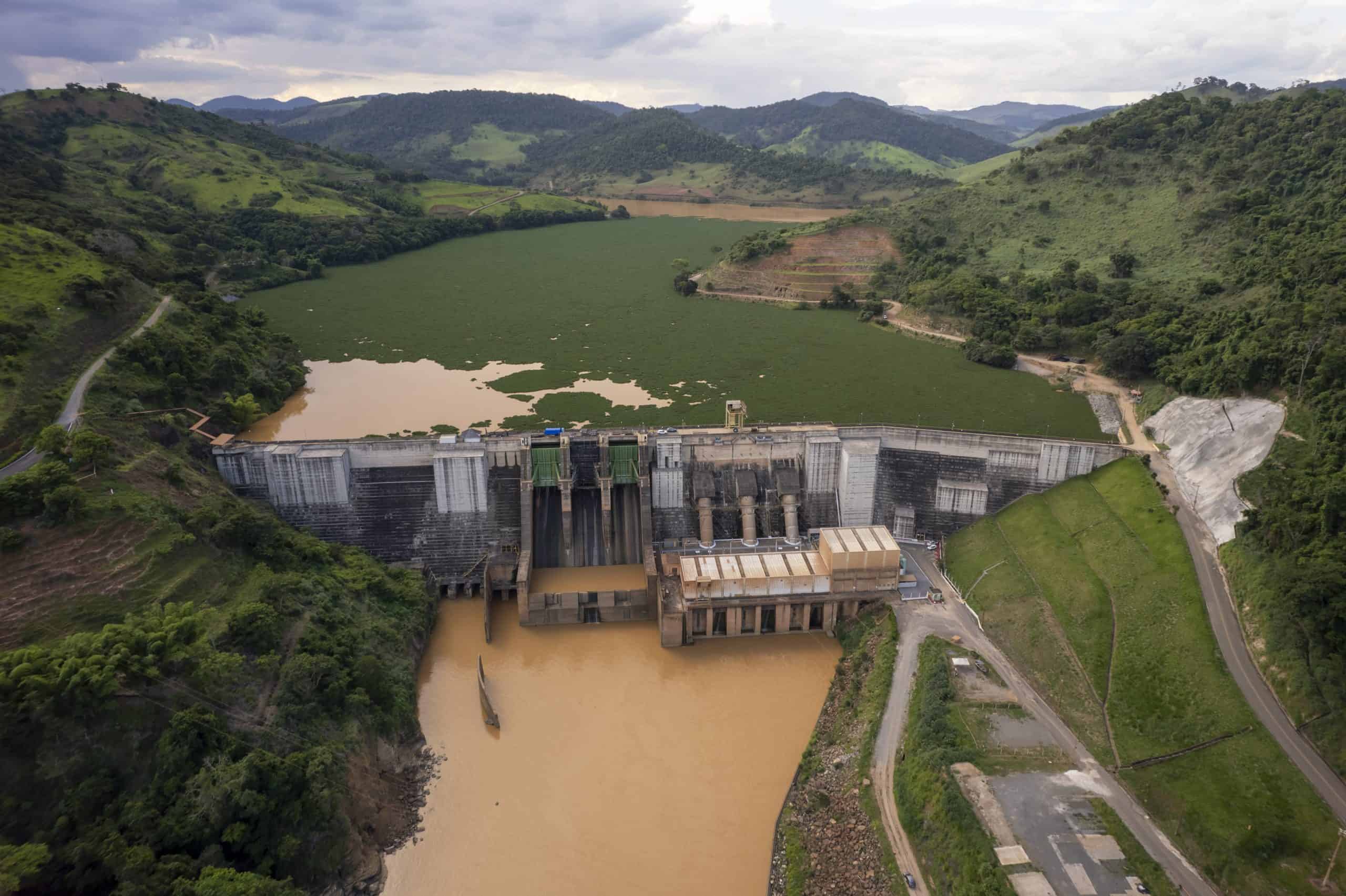
The dam was located near Mariana in the state of Minas Gerais, Brazil. This area is geographically significant, nestled within a region rich in iron ore deposits. The release of mining waste from the Fundão tailings dam profoundly altered the landscape. Toxic sludge spread through the Doce River, reaching the Atlantic Ocean through Espírito Santo, affecting over 300 miles of waterways. The environmental damage was catastrophic, affecting vast tracts of land and ecosystems. Ecosystem collapse, river contamination, and soil toxicity became paramount challenges. This severely impacted agriculture, local water supplies, and wildlife, with the restoration efforts continuing years after the event.
Immediate Human Toll
The human toll was equally severe. Immediate impacts included the destruction of entire communities in areas such as Bento Rodrigues. Nineteen lives were lost during the disaster, marking it as Brazil’s worst environmental tragedy to date. Thousands were displaced from their homes, forced to seek refuge amidst the chaos of contaminated land and water. This upheaval created immediate humanitarian concerns, including shelter, food, and medical care for those affected. The broader community faced psychological trauma and a long road to rebuilding their lives. Legal battles over compensation and environmental responsibility have persisted, characterizing a relentless quest for justice on behalf of the victims.
Causes and Immediate Effects
The Mariana Dam Disaster, a catastrophic event in Brazil, was marked by structural failures and oversights that unleashed a torrent of toxic sludge. This deluge resulted in widespread destruction across affected regions, leading to the demolition of villages and causing a significant humanitarian crisis.
Structural Failures and Oversight
The collapse of the Fundão tailings dam is attributed to several critical structural deficiencies and lapses in regulatory oversight. The dam, part of the Samarco mining operation, suffered from inadequate design and maintenance protocols, which severely compromised its integrity. Structural weaknesses, alongside insufficient monitoring systems, exacerbated the vulnerability of this crucial infrastructure.
Regulatory bodies failed to enforce stringent safety standards and consistently overlooked warning signs regarding potential hazards. This lack of comprehensive oversight allowed the progressive deterioration of the dam’s structural components, ultimately leading to its failure. The interplay of engineering flaws and inadequate regulatory measures highlights the urgent need for stringent supervision and enhanced safety protocols in dam operations.
Toxic Sludge Release and Mudflow
Upon the dam’s failure, a massive surge of toxic sludge and mine tailings was unleashed, transforming the landscape into a hazardous mudflow. This release consisted of millions of cubic meters of mining waste that flowed unchecked into the surrounding environment. The sludge, laden with heavy metals and other pollutants, permeated the Doce River, profoundly impacting its ecological balance.
The mudflow traveled over 668 kilometers, spreading devastation across a wide expanse. This unleashed torrent severely contaminated water bodies, affecting aquatic life and disrupting the delicate equilibrium of the ecosystem. The toxic nature of the sludge presented significant challenges for environmental recuperation and restoration efforts, necessitating long-term intervention and rehabilitation strategies.
Destruction of Villages and Displacement
The catastrophic release resulted in the obliteration of entire villages, including Bento Rodrigues and Paracatu de Baixo, leaving many without homes or livelihood. Entire neighborhoods were swept away in a matter of minutes, with structures reduced to ruins as the sludge advanced. The sheer force of the mudflow rendered these communities uninhabitable, causing widespread displacement of their residents.
Families were forced to evacuate rapidly, often with little more than the clothes on their backs. The destruction of homes and infrastructure compounded the challenges faced by those affected, exacerbating their vulnerability. Efforts to rebuild and resettle the displaced have been extensive, yet the path to full recovery remains fraught with obstacles.
Humanitarian Crisis
The immediate aftermath of the disaster resulted in an acute humanitarian crisis, affecting thousands of people across the region. Displacement led to overcrowded temporary shelters, where basic necessities were scarce. The loss of property and livelihoods heightened the plight of affected families, necessitating urgent humanitarian interventions.
Relief efforts were mobilized to address the needs of the disaster-stricken population, focusing on providing shelter, food, and medical care. The psychological impact on survivors, dealing with trauma and uncertainty, further underscored the depth of the crisis. Comprehensive support systems were imperative in addressing both the immediate and longer-term needs of those impacted by the disaster.
Environmental and Societal Impact
The collapse of the Mariana Dam in 2015 resulted in severe ecological and societal consequences. This catastrophe significantly impacted the Doce River ecosystem, altered the lives of local communities, and instigated long-term challenges in agriculture and water supply.
Ecological Damage to the Doce River
The release of toxic mining waste severely polluted the Doce River, one of Brazil’s major water systems. The sudden influx of millions of cubic meters of mining debris led to the devastation of aquatic habitats and the loss of biodiversity. Fish populations in the river suffered substantial declines, disrupting the entire aquatic food chain. Sediment contamination also embedded itself in the riverbanks and riverbed, posing ongoing risks to restoration efforts.
Moreover, the spread of pollutants reached the Atlantic Ocean, further expanding the ecological damage. Restoration initiatives, including cleanup and rehabilitation, are complex and require significant resources. Researchers continue to monitor water quality, but full recovery remains an elusive goal due to the scale of the disaster.
Impact on Local Communities and Indigenous Peoples
The disaster profoundly affected local communities, particularly in the Bento Rodrigues district, where homes and infrastructure were destroyed. Almost 600 people lost their homes, displacing families and resulting in severe emotional and financial distress. Indigenous groups, traditionally reliant on the river for sustenance and cultural practices, faced disruptions to their way of life.
The government and organizations like the Renova Foundation have been involved in compensation and rebuilding efforts. However, controversies over compensation agreements persist, with many affected individuals feeling the compensation is inadequate or delayed. Efforts to rebuild community bonds and cultural heritage remain crucial to recovery.
Long-Term Effects on Agriculture and Water
The agricultural sector experienced extensive damage, as the toxic mud rendered large swathes of farmland unusable. Farmers faced challenging conditions as soil quality deteriorated and irrigation sources became contaminated. Water supply became unpredictable; the sediment-laden Doce River compromised both drinking and irrigation water sources.
Efforts to restore soil quality and provide safe water include soil remediation techniques and establishing alternative water sources. These long-term challenges necessitate sustained attention and investment from both local authorities and international aid to ensure that agricultural productivity can be restored.
Role of the Movement of People Affected by Dams
The disaster intensified the efforts of the Movement of People Affected by Dams (MAB), highlighting issues of safety and rights for communities living near such infrastructures. This movement advocates for rigorous safety measures, comprehensive risk assessments, and the rights of affected populations to just compensation and rehabilitation.
MAB has been instrumental in mobilizing community support and raising awareness, emphasizing the importance of regulatory oversight in dam management. The movement’s efforts have influenced public policy, directing attention to the need for better governance and stricter environmental protections to prevent future tragedies. Through advocacy and legal action, MAB continues to play a crucial role in supporting those affected while pushing for systemic change.
Legal Proceedings and Corporate Accountability
The Mariana Dam Disaster of 2015 has sparked significant legal proceedings focused on corporate accountability and jurisdictional challenges. These legal battles involve multinational corporations like BHP and Vale, who face demands for compensation and justice from affected communities.
Litigation in Brazil and International Jurisdiction
The legal proceedings following the Mariana Dam disaster have been multifaceted, taking place both within Brazil and internationally. In Brazil, local courts have addressed claims against companies like BHP and Vale, focusing on their culpability in one of the nation’s most catastrophic environmental episodes. Internationally, claimants have pursued cases in the United Kingdom, taking advantage of jurisdictions that may offer different legal perspectives. The High Court in London has played a pivotal role, with cases emphasizing the reach of corporate accountability for actions abroad. Legal representation by firms such as Pogust Goodhead has been central, asserting that these companies should not evade responsibility by exploiting jurisdictional loopholes.
Compensation and Settlement Agreements
Compensation for victims remains a pivotal issue, with thousands affected by the disaster seeking reparations. Both financial compensation and substantive settlement agreements have been pursued to address the widespread damages. Efforts in the UK high courts underscore a pursuit for fair settlements beyond what has been proposed in Brazilian courts. However, differences in how settlements are approached highlight a complex legal environment. The involved parties have also considered settlements in the context of past disasters, like the Brumadinho Dam collapse, to ensure more robust compensation frameworks are negotiated. The ongoing nature of these agreements reflects the broader struggle for equity and justice in corporate accountability.
Role of the Supreme Federal Court
Brazil’s Supreme Federal Court has had an influential role in shaping the outcomes of this litigation. The Court addresses constitutional aspects of the disaster response, ensuring that environmental laws and human rights obligations are interpreted effectively. By assessing the legal arguments regarding the responsibilities of parent companies like BHP and Vale, the Court has influenced both immediate remedial actions and long-term policy shifts. The decisions have implications for future environmental safeguards, setting precedents on how similar incidents might be legally processed. The Court’s handling of jurisdictional challenges is instrumental in solidifying corporate accountability standards.
Corporate Responses and Ongoing Challenges
Corporations involved in the Mariana Dam disaster face substantial ongoing challenges. BHP and Vale have publicly committed to rectifying the damages and supporting impacted communities. However, these statements are often scrutinized against the backdrop of their legal strategies and participations in negotiations. The companies must navigate reputational risks, regulatory scrutiny, and ongoing litigation. Efforts to address these include developing more robust safety and operational protocols, as well as engaging with stakeholders to demonstrate transparency. The disaster has prompted broader industry introspection regarding corporate practices and has driven discussions on global corporate accountability.