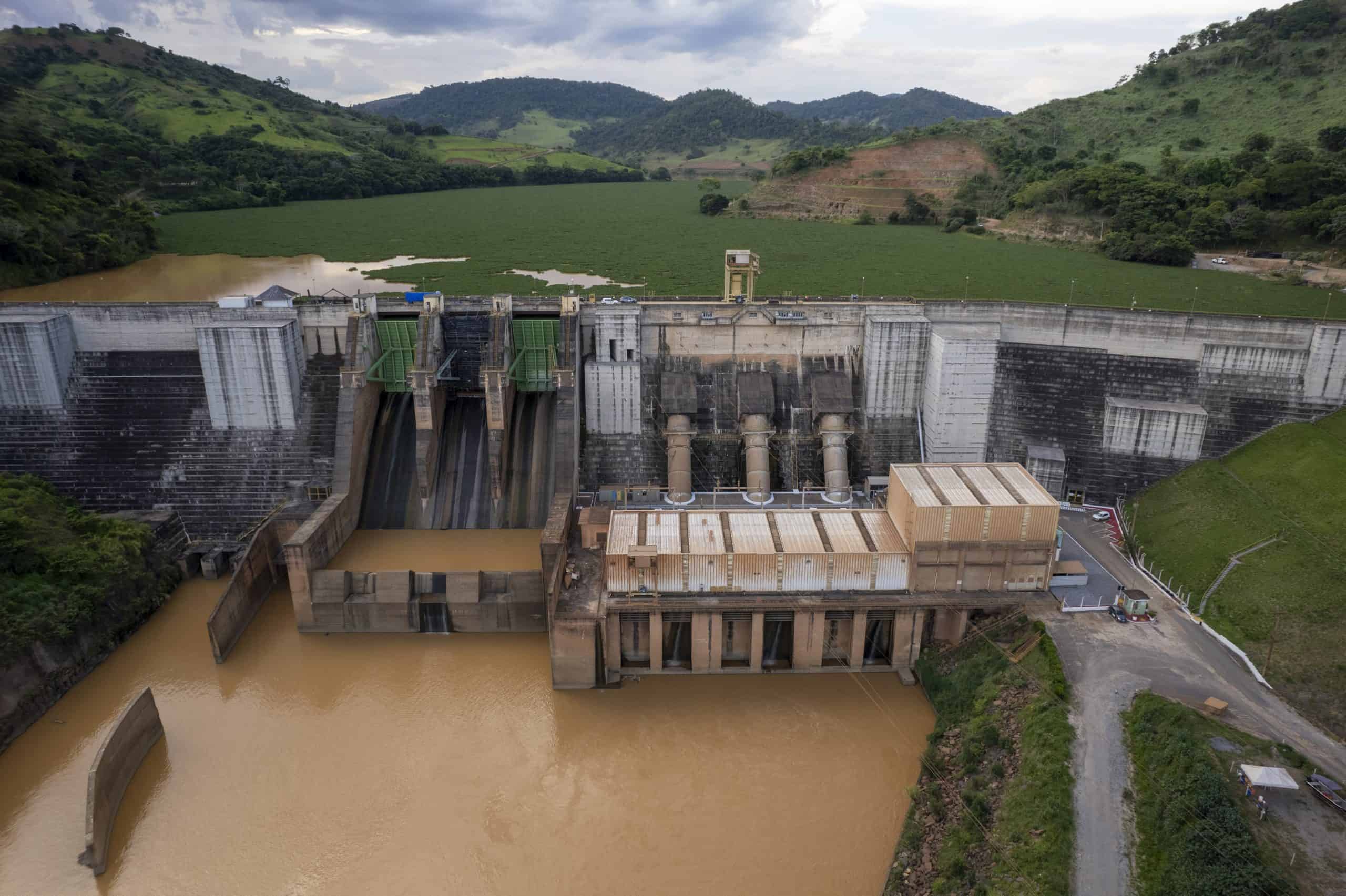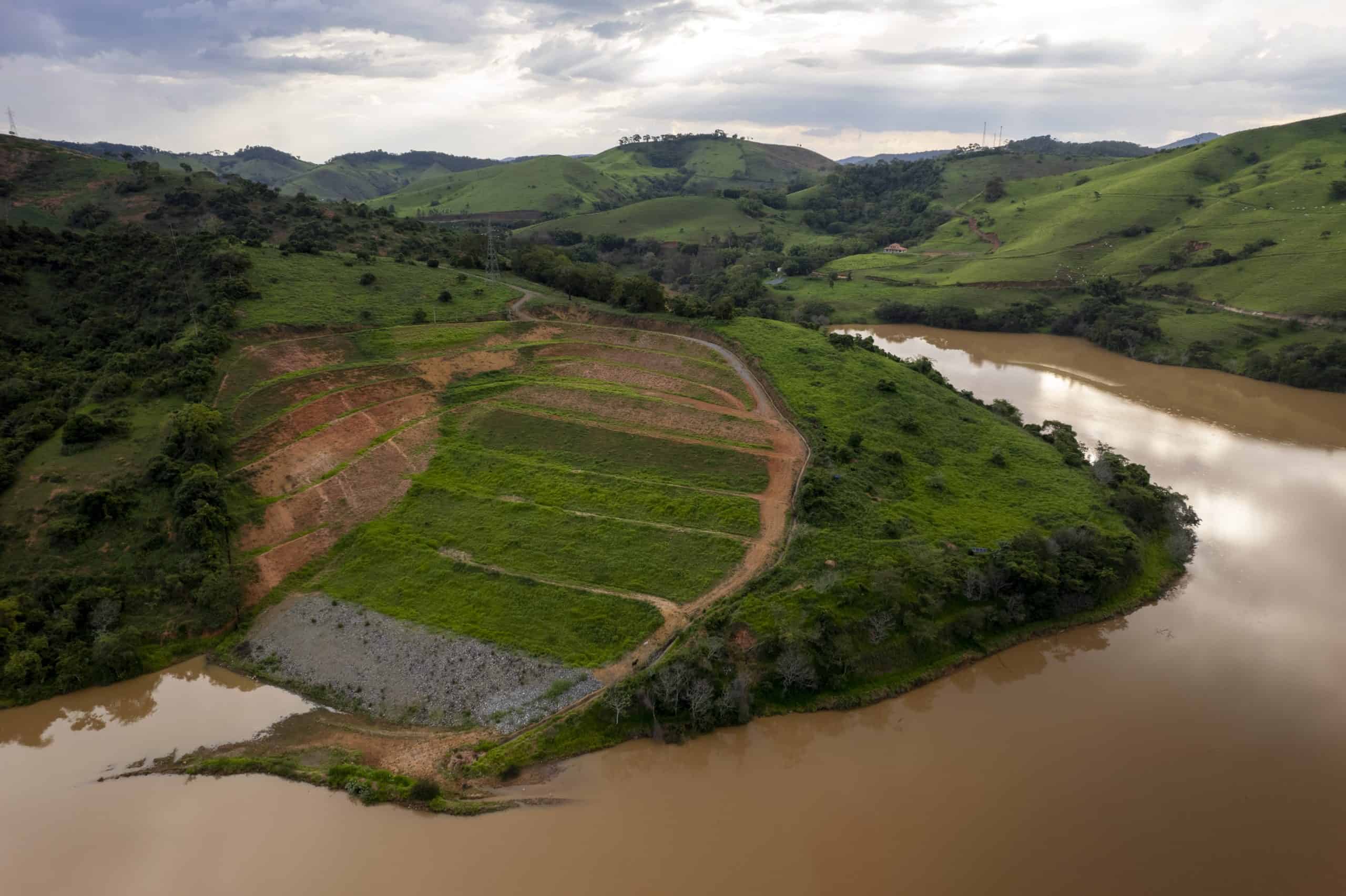
On November 5, 2015, the Mariana Dam disaster unfolded in Minas Gerais, Brazil, leaving a trail of devastation that still resonates today. Approximately 43.7 million cubic meters of iron ore waste flooded villages and farmlands, illustrating the sheer scale of the calamity. This event is recognized as one of Brazil’s most severe environmental disasters, claiming the lives of 19 individuals and disrupting countless others.
In the wake of the disaster, both the environmental and human toll were monumental. Entire communities were dismantled, and ecosystems faced long-lasting contamination from toxic sludge. The affected regions have witnessed a profound shift in their landscape and livelihoods, highlighting the enduring impact of such industrial failures.
The disaster’s implications reach beyond environmental concerns, touching on legal and social realms. Mining conglomerates like BHP were held accountable in courts, leading to extensive legal battles. Meanwhile, settlements and efforts to restore affected areas continue to unfold, emphasizing the ongoing journey toward accountability and recovery.
Overview of the Mariana Dam Disaster
The Mariana Dam Disaster is marked by the catastrophic collapse of the Fundão tailings dam in Minas Gerais, Brazil. This event resulted in a massive mudflow that devastated local communities and ecosystems, releasing toxic sludge into the Doce River.
Chronology of the Collapse
On November 5, 2015, the Fundão tailings dam, part of the Samarco Mariana Mining Complex, failed without warning. Constructed in the late 1970s, the dam initially supported mining processes at the Germano iron ore mine. Despite warnings and maintenance attempts, structural vulnerabilities persisted. On the day of the disaster, the dam’s collapse unleashed around 60 million cubic meters of mining waste, rapidly engulfing nearby villages such as Bento Rodrigues and Paracatu de Baixo, causing widespread destruction. The collapse highlighted insufficient regulatory oversight and inadequate emergency preparedness, raising critical concerns about industrial safety standards in Brazil.
Geographical Context
The disaster unfolded in the southeastern state of Minas Gerais, a region known for its mining activities and diverse ecosystems. The Germano iron ore mine and the associated Fundão tailings dam are located near the city of Mariana, with the affected areas including rural communities and agricultural lands. Bento Rodrigues, situated approximately 25 kilometers downstream, was one of the hardest-hit areas. The Doce River, which runs through the region, became a conduit for the spread of toxic sludge, carrying pollutants over 500 kilometers towards the Atlantic Ocean. The complex geography and hydrology of the area exacerbated the environmental impact, affecting both human populations and local biodiversity.
Extent of the Mudflow and Toxic Sludge
The mudflow from the collapsed dam traveled swiftly, devastating everything in its path. The toxic sludge comprised iron ore tailings, which are fine particles left after ore extraction. This sludge spread over a vast distance, polluting the Doce River and affecting drinking water sources, agricultural land, and aquatic ecosystems. Approximately 19 people lost their lives, and many more were displaced as their homes were destroyed. The mudflow reached the Atlantic Ocean, illustrating the far-reaching impact of the disaster. Long-term environmental damage and socio-economic hardships persist in the affected regions, as recovery efforts confront severe challenges in restoration and remediation.
Impacts and Consequences
The collapse of the Mariana Dam in 2015 resulted in profound human and ecological impacts. This environmental disaster not only led to loss of life and displacement but also caused long-lasting ecological damage in Minas Gerais and Espírito Santo.
Human Toll and Displacement
The catastrophic failure of the Fundão Dam, managed by Samarco, led to the deaths of nineteen individuals and displaced many more from their homes, especially in communities like Bento Rodrigues. The sudden release of toxic sludge buried properties and infrastructure, forcing entire families to evacuate. The Movement of People Affected by Dams played a significant role in advocating for the rights and compensation of those displaced. The impact on the human population also extended to economic challenges, as livelihoods dependent on local industries were disrupted.
Ecological Damage and Water Contamination
With the dam’s collapse, millions of cubic meters of toxic mud spread across the landscape, flowing into the Rio Doce and contaminating water sources. The ecological repercussions were severe, with fish and aquatic life in the river severely impacted by the contaminants. The rapid spread of pollutants affected the soil and had long-term effects on regional agriculture, tainting crops. As one of Brazil’s worst environmental disasters, this incident underscored the importance of stringent tailings management to prevent future occurrences.
Effects on Local Communities and Indigenous Peoples
The widespread ecological damage clashed directly with the lives of local communities, including Indigenous Peoples, who relied on the health of the Doce River and surrounding environments. The toxic mudflow reached the coasts of Espírito Santo, increasing the health risks and necessitating ongoing rehabilitation efforts. The disaster highlighted the vulnerabilities of these communities to industrial mismanagement. Social tensions rose as affected populations sought accountability and reparations, putting a spotlight on regulatory and oversight failures. Indigenous lands and resources faced unprecedented challenges, prompting discussions on protecting cultural heritage and ensuring environmental justice.
Corporate Responsibility and Regulatory Oversight
Significant lapses in corporate governance and regulatory frameworks emerged as key factors in the Mariana Dam Disaster. The responsibility of Samarco, Vale, and BHP under corporate accountability frameworks has been scrutinized, highlighting failures in oversight. Furthermore, these shortcomings led to the enactment of pivotal policy reforms aimed at preventing future environmental disasters.
Roles of Samarco, Vale, and BHP
The 2015 Mariana Dam Disaster involved several major entities, notably Samarco, Vale, and BHP Billiton. As joint owners of the Fundão tailings dam, these corporations were expected to uphold rigorous safety standards. Still, considerable negligence was apparent in their practices. The dam’s structural weaknesses were reportedly known to the companies, yet critical safety updates were not rigorously enforced. This negligence underscored systemic flaws in how these corporations prioritized profits over safety, ultimately leading to the dam’s collapse. Legal actions have since been initiated to hold these companies accountable, with significant ramifications for how multinational corporations engage in large-scale mining activities.
Failures in Regulatory Oversight
Regulatory bodies faced criticism for inadequate supervision and enforcement in this disaster. Although responsible for monitoring dam safety, these entities did not effectively ensure that Samarco, Vale, and BHP adhered to safety protocols. Prior warnings and safety reports were seemingly overlooked, highlighting deficiencies in the inspection processes. The lack of stringent checks and risk assessments brought to light the deficiencies within Brazil’s regulatory framework. This failure to act not only exacerbated the disaster’s impact but also reflected broader issues in environmental governance that necessitated urgent reforms to elevate oversight standards.
Subsequent Policy Reforms
In the wake of the disaster, extensive policy reforms were developed to heighten safety and accountability standards within the mining industry. Brazil enacted new regulations mandating rigorous inspections and improved safety protocols for tailings dams. Industry-wide changes encouraged transparency and stronger community engagement in oversight processes to ensure corporate compliance. The reforms also fostered collaboration between government, corporates, and civil society to enhance environmental protections. These initiatives signify a critical shift towards a more robust regulatory framework designed to prevent future catastrophes and emphasize corporate accountability as a core component of sustainable development in the mining sector.
Legal Proceedings and Compensation
The aftermath of the Mariana Dam disaster, which resulted in significant environmental and human harm, has led to intricate legal proceedings and compensation initiatives. This section details the ongoing legal battles, financial compensation agreements, and the key players involved in addressing the consequences of the disaster.
Multi-Jurisdictional Legal Actions
Following the catastrophic collapse, multiple legal actions have been initiated against the companies responsible—BHP, Vale, and Samarco. Both criminal and civil cases have been pursued in Brazil, holding these entities accountable for their roles. The disaster prompted legal processes across national boundaries, including significant cases in the United Kingdom. The High Court in London, for instance, found BHP liable, allowing affected individuals to seek compensation. These proceedings illustrate the growing interest in utilizing international courts to address transnational corporate misconduct. Law firm Pogust Goodhead has been instrumental in representing a substantial number of claimants, advocating for stringent corporate accountability in multiple jurisdictions.
Compensation Agreements and Settlements
Significant compensatory measures have been negotiated to redress the damage caused by the disaster. A major settlement agreement was reached between BHP, Vale, Samarco, and the Brazilian government, totaling approximately $30 billion. This agreement covers both immediate humanitarian relief and long-term environmental rehabilitation efforts. The Supreme Federal Court in Brazil has approved several settlements, ensuring that affected communities receive support. These settlements are vital in facilitating recovery and rebuilding efforts, underscoring the necessity for financial accountability by large corporations when catastrophes occur. The funds are designated for infrastructure reconstruction, ecological restoration, and direct compensation to those severely impacted by the event.
Ongoing Claims and International Litigation
Despite major settlements, additional legal claims continue to unfold worldwide. Many victims and communities remain engaged in ongoing litigation efforts, seeking further compensation. Over 620,000 alleged victims have filed a group action in the UK, marking one of the largest environmental lawsuits in English legal history. The proceedings are spearheaded by claimant representatives like Pogust Goodhead, emphasizing the ongoing nature of legal efforts to ensure sufficient redress. The jurisdictional challenges involved in these cases reflect the complexity and persistence required to navigate international legal systems for victim compensation after such a far-reaching disaster.
Role of Renova Foundation
The Renova Foundation, established in response to the disaster, plays a key role in implementing compensation and rebuilding projects. Co-founded by BHP, Vale, and Samarco, the foundation’s mission is to manage the reparative actions stipulated in the settlement agreements. It oversees programs aimed at social, economic, and environmental recovery, striving to restore affected areas and communities to a sustainable state. The foundation acts as a central entity coordinating various remedial efforts, ensuring transparency and efficiency in the utilization of settlement funds. Their work includes everything from distributing financial aid to reforestation projects, highlighting the multifaceted approach needed to address the disaster’s complex repercussions.