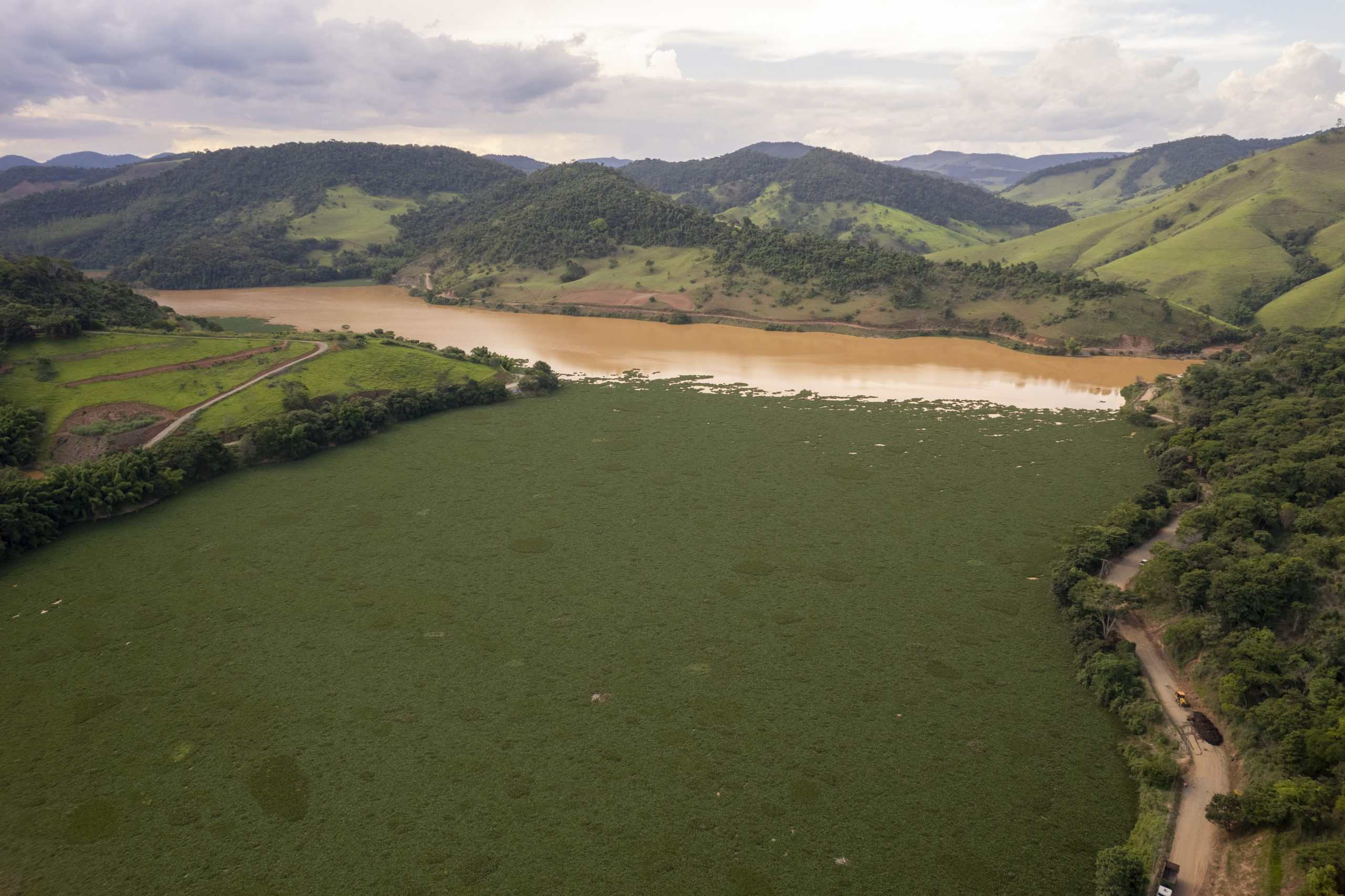
On November 5, 2015, the small town of Mariana in the state of Minas Gerais, Brazil, was rocked by a catastrophic event that cascaded through the landscape and communities. The Fundão tailings dam, operated by Samarco Mining, collapsed, resulting in Brazil’s worst environmental disaster. This incident caused an unprecedented release of toxic sludge into the Doce River, devastating ecosystems and displacing entire communities.
The calamity stretched over 668 kilometers of devastation, impacting not only the immediate area but also reaching coastal regions. Investigations revealed that the dam’s structural failure was due to multiple factors, including questionable safety measures and oversight, leading to grave environmental consequences.
The Mariana dam disaster raises serious questions about mining practices, corporate responsibility, and environmental policies. It offers a grim reminder of the potential human and ecological costs of inadequate oversight in industrial operations.
Overview of the Mariana Dam Disaster
The Mariana Dam Disaster, a catastrophic event in Southeast Brazil, involved the collapse of the Fundão Tailings Dam. This accident had devastating environmental and human impacts. Key entities in the disaster include Samarco, a joint venture owned by Vale and BHP Billiton. Understanding the causes, timeline, and key players in this tragedy is critical to learning from the event.
Causes of the Fundão Tailings Dam Collapse
The Fundão Tailings Dam collapsed on November 5, 2015, primarily due to structural failures. Investigations revealed deficiencies in construction and maintenance of the dam. Reports suggested that improper drainage systems and design flaws contributed significantly to its instability.
Human error also played a role, with inadequate responses to initial warning signs prior to the collapse. Engineers were reportedly unaware of the full scope of the dam’s vulnerabilities. Combined with intense rainfalls, these factors exposed the critical weaknesses leading to the disaster.
Timeline of Events in Mariana, Minas Gerais
The Fundão Dam, located near Mariana in Minas Gerais, collapsed in the afternoon on November 5, 2015. This unleashed approximately 60 million cubic meters of iron ore waste and mud downstream. The immediate aftermath saw widespread destruction, impacting several communities, including Bento Rodrigues and Barra Longa within hours.
The disaster tragically led to the loss of 19 lives. It took weeks for the mudflow to travel over 600 kilometers, ultimately reaching the Atlantic Ocean. Emergency response efforts were launched, focusing on rescue operations and mitigating ecological damage, but the region still faces long-term environmental and social challenges.
Involved Mining Companies and Ownership
Samarco Mineração S.A., a joint venture between major mining corporations Vale S.A. and BHP Billiton, owned and operated the Fundão Tailings Dam. Samarco was primarily responsible for the dam’s construction and maintenance.
Vale and BHP Billiton, as stakeholders, were subject to scrutiny and legal challenges. Both companies faced severe repercussions, including financial liabilities, stock market impacts, and damage to their reputations. The incident highlighted the importance of stringent regulation and accountability within the mining sector to prevent similar catastrophes in the future.
Environmental and Social Impact
The Mariana Dam disaster in 2015 had far-reaching ecological and societal effects. Highlighting the massive release of mining waste, the destruction of habitats and waterways such as the Rio Doce, and the submersion of entire villages, this section meticulously examines these impacts.
Environmental Damage and Contamination
The disastrous collapse of the Fundão Dam released approximately 60 million cubic meters of iron ore tailings, resulting in significant environmental damage. Toxic sludge inundated rivers and land, causing contamination that wiped out aquatic life and disrupted local ecosystems. The mining waste also contained hazardous metals like mercury and lead, which further exacerbated environmental concerns.
This sudden influx of contaminants rendered vast tracts of previously fertile land unusable for agriculture. The toxic mud has led to long-term soil degradation and vegetation loss, hindering rehabilitation efforts. The presence of these heavy metals continues to pose risks to the environment, necessitating ongoing monitoring and mitigation measures.
Effects on the Rio Doce and Atlantic Ocean
The release of massive quantities of toxic waste from the dam collapse severely impacted the Rio Doce, a major waterway in Brazil. Contaminants rapidly flowed downstream, reducing water quality and killing fish and plant life. This critical habitat faced significant ecological degradation, affecting the communities reliant on it for sustenance.
Further down the river’s path, the waste reached the Atlantic Ocean, spreading pollutants over a larger area. The contamination affected marine ecosystems and fishing industries along the coast, amplifying the disaster’s reach. Restoration efforts focus on reviving the river’s ecosystem, yet the scale of contamination poses ongoing challenges.
Destruction of Bento Rodrigues and Surrounding Areas
Bento Rodrigues, located near the collapse site, was catastrophically hit, burying the village in a wave of toxic mud and tailings. Buildings were destroyed, displacing hundreds of residents overnight. The disaster affected not only the physical infrastructure but also disrupted the social fabric of communities.
Neighboring areas, including those in the state of Espírito Santo, also faced significant destruction. Emergency response and rehabilitation processes began swiftly but were hindered by the scale of the disaster. The sheer volume of debris and extent of pollution made rebuilding efforts complex, with affected people still feeling the socio-economic impacts years later.
Legal Proceedings and Accountability
The disastrous collapse of the Mariana Dam led to extensive legal proceedings involving multiple parties and jurisdictions. Key issues include lawsuits in international courts, pursuit of compensation by affected individuals, and decisions by Brazilian authorities and entities like the Renova Foundation.
Lawsuits and International Legal Action
The legal aftermath of the Mariana Dam disaster saw significant international scrutiny. The Anglo-Australian mining giant BHP faced numerous lawsuits filed by claimants affected by the disaster. In the UK, the High Court and subsequently the Court of Appeal were involved in these proceedings. The legal firm Pogust Goodhead represented thousands of claimants, highlighting the scale and complexity of this environmental lawsuit. The case pivoted around BHP’s liability, arguing that the company failed in its duty to prevent the disaster.
Compensation and Claims by Affected Parties
Compensation for victims of the Mariana disaster has been a contentious issue. Many families and municipalities were presented with the option to accept immediate settlements or continue fighting for potentially larger awards through legal action in England. These decisions often involved calculations of future risks and rewards. The legal actions sought to ensure that adequate compensation was provided to restore the lives impacted by the disaster. Claimants demanded accountability for the devastation, while negotiations and court actions aimed to balance fair reparations.
Decisions by Brazilian Authorities and Renova Foundation
In Brazil, the authorities have taken significant actions in response to the disaster. A combined effort with the Renova Foundation, an entity created to manage reparations, focused on coordinated efforts to mitigate the impacts of the collapse. Brazilian authorities enforced environmental laws and sanctions, attempting to uphold accountability. The foundation negotiated settlements intended to facilitate the rebuilding of affected communities, although the adequacy of these measures has been debated. Their work remains subject to ongoing government and public scrutiny.