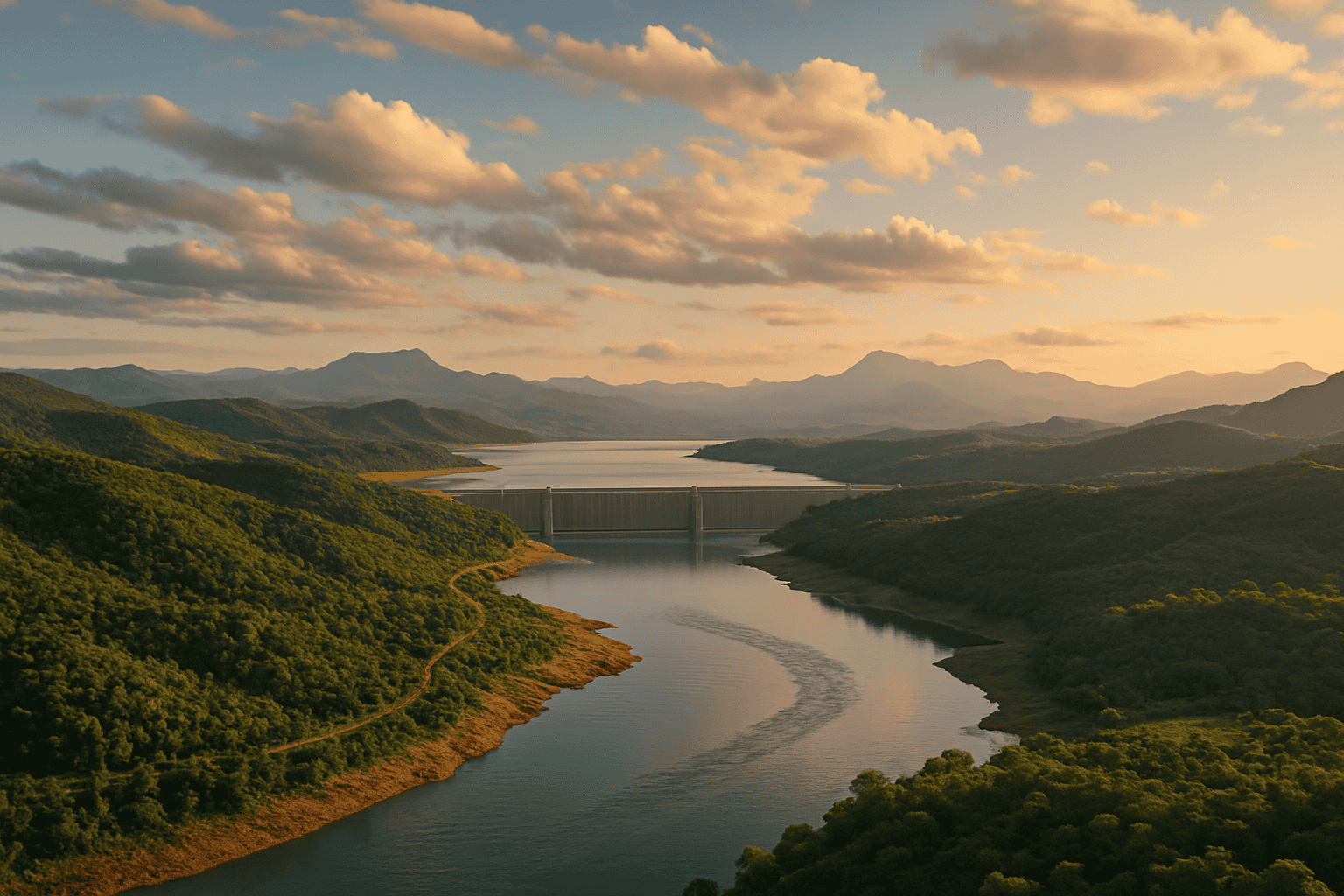
Bento Rodrigues was a small community located near Mariana, Minas Gerais, Brazil, known for its close-knit residents and serene environment until disaster struck. The catastrophic collapse of the Fundão dam in 2015 marked a pivotal moment in Brazil’s environmental history, devastating Bento Rodrigues and nearby areas. As communities grappled with the aftermath, the focus turned to rebuilding lives and homes.
The Reassentamento Bento Rodrigues aims to restore a semblance of normalcy and provide a fresh start for those affected. This process involves the construction of a new settlement replicating the original community’s spirit and layout while incorporating modern infrastructure. The involvement of residents in planning and decision-making ensures that the new location meets their needs and honors their roots.
The resettlement extends beyond physical reconstruction, emphasizing emotional and social recovery for the impacted families. Initiatives supporting psychological well-being and community reintegration play a crucial role in helping residents transition from tragedy to resilience. With significant investments in public facilities and homes, the project represents hope and forward momentum for those determined to rebuild and thrive.
Background of the Fundão Dam Disaster
The Fundão dam disaster occurred in November 2015, marking one of Brazil’s worst environmental catastrophes. It profoundly affected the communities along the Doce River Basin and caused severe environmental damage, impacting both the ecosystem and the local populations.
Causes and Impact on Local Communities
The Fundão Dam, managed by Samarco—a joint venture between Vale and BHP Billiton—collapsed due to structural failures linked to the liquefaction of tailings. These failures were exacerbated by improper drainage and the accumulation of saturated tailings. When the dam burst, over 50 million cubic meters of mining waste were released into the surrounding area. This mudflow devastated villages like Bento Rodrigues and Paracatu de Baixo, resulting in 19 fatalities and leaving hundreds homeless. Residents faced not only the loss of homes but also a disruption of their livelihoods as the local economy, reliant on agriculture and mining, collapsed. The rupture of the dam highlighted significant oversight failures by both the managing companies and regulatory bodies, prompting widespread calls for accountability and improved safety measures.
Affected Communities Along the Doce River Basin
The disaster’s reach extended beyond the immediate vicinity of the dam. As the toxic mud traveled along the Doce River Basin, it affected numerous communities dependent on the river for water and fishing. Villages and towns such as Paracatu and other settlements within Minas Gerais and Espírito Santo were severely impacted. The contamination of water sources destroyed vital aquatic life, crucial both for biodiversity and local fisheries. The disruption caused forced many community members to migrate to urban centers, straining their social fabric and economic standing. Efforts to restore the river and revive community life have been ongoing, but the scale of destruction necessitates long-term initiatives.
Environmental and Social Consequences
The environmental aftermath of the Fundão dam collapse is a subject of ongoing concern. The toxic sludge spread across approximately 650 kilometers, inflicting damage on the Doce River’s ecosystem. Biodiversity loss was extensive, with several fish species driven to near extinction. The sludge contaminated farmland, depleted soil fertility, and rendered agricultural lands unusable. Socially, the disaster disrupted community ties and led to significant mental health issues among survivors. Resettlement efforts have been complex, often plagued by bureaucratic delays and inadequate compensation. Despite numerous promises from Samarco, Vale, and BHP, comprehensive recovery has been slow, with many communities still awaiting effective rehabilitation.
Planning and Execution of the Resettlement Process
The resettlement of Bento Rodrigues encompasses the integration of community input, strategic urban planning, and thorough execution stages. Key elements also include the collaboration between Fundação Renova and public authorities, coupled with a comprehensive approach to management of financial compensation.
Community Involvement and Urban Planning
The resettlement process for the community of Bento Rodrigues was characterized by significant community involvement. Residents played an active role in planning the new settlement to ensure it met their needs and preferences. To achieve this, public consultations were held, allowing residents to voice their concerns and contribute ideas.
Urban planning considerations focused on maintaining the identity of Bento Rodrigues while incorporating modern infrastructure. The plan aimed to preserve cultural aspects, such as public gathering spaces and traditional architectural styles. This collaborative effort between community members and architects was essential for creating a space that felt familiar yet improved safety and infrastructure.
Construction Phases and Rebuilding Efforts
Construction of Novo Bento Rodrigues was implemented in phases to manage resources effectively and minimize disruption. The initial phase concentrated on essential infrastructure such as roads, water, and energy systems. Following this, residential properties were developed with a focus on quality and sustainability.
Rebuilding efforts didn’t stop at mere physical construction. Projects like garden spaces, schools, and health facilities were integral to reviving community life. The phased approach facilitated timely completion of housing and ensured a seamless transition for displaced families, allowing them to integrate into their new environment with minimal issues.
Role of Fundação Renova and Public Authorities
Fundação Renova played a pivotal role in coordinating the resettlement efforts alongside local authorities, including the Prefeitura de Mariana. This partnership aimed to streamline processes and align objectives. Through strategic oversight, these bodies ensured compliance with regulatory standards and facilitated the smooth execution of plans.
Fundação Renova also provided technical expertise and financial management, which were crucial for the successful execution of the resettlement process. Their collaboration with authorities ensured accountability and reaffirmed commitment to rebuilding the disaster-affected areas comprehensively.
Management of Financial Compensation
Financial compensation mechanisms were a critical component for those affected by the resettlement. Various strategies, such as compra assistida and indenização em pecúnia, were employed to address the diverse needs of the displaced population. The management ensured that both cash payments and alternative compensation solutions met individual requirements.
Payments, often managed via pagamento via depósito judicial, were structured to provide timely aid to affected families. The flexibility of these financial solutions was designed to help families restore stability and invest in their future accommodations. The transparent administration of these compensations was essential to maintaining trust with the community throughout the resettlement process.
Infrastructure and Public Services in Novo Bento Rodrigues
In Novo Bento Rodrigues, significant advances have been made in essential infrastructure and public services. Schools, health facilities, water and sanitation systems, and energy and road infrastructure have all seen substantial improvements. The focus on these areas has helped create a thriving community environment.
Development of Schools and Health Posts
The creation of educational and health services in Novo Bento Rodrigues stands out as a priority. Multiple schools have been developed to accommodate the educational needs of growing student populations. Modern classrooms, libraries, and sports facilities are integral to these structures, aiming to enhance learning outcomes.
Health posts are dispersed across the district, ensuring residents have access to critical healthcare services. These facilities are equipped with advanced medical tools and staffed by trained healthcare professionals dedicated to serving community health needs effectively.
Water and Sanitation Systems
Water and sanitation systems form a crucial part of Novo Bento Rodrigues’ infrastructure. The installation of robust water and sewage networks has improved public health and hygiene significantly. Reliable water supply and sewage treatment plants ensure that clean water is available and wastewater is managed efficiently.
Specialized sewage treatment stations have been built, focusing on the safe treatment and disposal of waste. By securing these systems, the community enjoys better living conditions and reduced health risks related to waterborne diseases.
Energy and Road Infrastructure
Energy supply and transportation networks are vital for sustaining the community’s growth. Improved electricity distribution networks now reach all parts of Novo Bento Rodrigues, ensuring homes and businesses have consistent access to power. The implementation of energy-efficient systems, such as solar panels and LED lighting, reflects the district’s commitment to sustainability.
Newly constructed roads enhance connectivity within the district. Paved roads and traffic management systems aid in smoother commutes, bolstering mobility for residents and facilitating economic activity by linking various parts of the district efficiently.
Public Assets and Community Facilities
Public assets in Novo Bento Rodrigues emphasize enhancing community life. The development of community centers, parks, and recreational areas provides residents with spaces for leisure and social interaction. These facilities host a range of activities, from community meetings to cultural events, strengthening the community’s social fabric.
Infrastructure works, including public facilities like libraries and youth centers, play an essential role in providing learning and engagement opportunities. By investing in such spaces, the district supports a vibrant communal atmosphere where cultural and social initiatives can flourish.
Legal, Administrative, and Financial Framework
The reassessment process for Bento Rodrigues is governed by a complex framework involving legal agreements, court oversight, property distribution, and the transition of responsibilities among organizations. Key aspects include judicial agreements like the Acordo de Reparação da Bacia do Rio Doce, significant involvement by the Supreme Federal Court, and financial arrangements for property ownership and transitions.
Acordo de Reparação and Judicial Oversight
The Acordo de Reparação da Bacia do Rio Doce is a pivotal legal agreement that outlines the reparations for those affected by the Fundão dam disaster. This comprehensive framework, involving entities like Samarco, provides a structured approach to addressing the rights and needs of the impacted communities. Judicial oversight ensures compliance and accountability in implementing these agreements. Payments are often processed via judicial deposits to ensure transparency and adherence to legal standards, mitigating financial disputes.
Supreme Federal Court’s Role
The Supreme Federal Court is instrumental in overseeing the reassessment process, exerting substantial influence to ensure that all legal and administrative procedures are correctly followed. Their role includes mediating disputes and ensuring that the terms of reparations, such as indemnifications in cash, are honored. The court’s involvement provides a necessary layer of oversight that maintains the legitimacy and fairness of the entire process, reinforcing the protection of affected parties’ rights.
Distribution and Ownership of Properties
Property distribution is a critical component of the reassessment framework. Fundação Renova, in collaboration with legal authorities, manages the allocation and ownership of new properties to the displaced residents of Bento Rodrigues. This process ensures equitable distribution and acknowledges community preferences, while also securing legal titles for the new properties. Adequate administration and documentation are crucial to ensure clear ownership and prevent potential legal disputes in the future.
Transition from Fundação Renova to Other Entities
The transition of responsibilities from Fundação Renova to other entities is essential for sustained management and support for the reassessment communities. Fundação Renova initially leads reconstruction and support efforts, but eventually, responsibilities shift to local administrative bodies and other institutions for ongoing governance. This transition ensures continuity in support services and long-term community development, while also relieving Fundação Renova from perpetual oversight duties. Such well-structured transitions are necessary to maintain stability and progression within the reassessed communities.
Outcomes, Ongoing Challenges, and Future Prospects
The development of Bento Rodrigues’ resettlement project is showing significant progress with crucial advancements in social and economic recovery, yet challenges such as structural issues and community feedback persist. Environmental remediation initiatives are critical, while the long-term sustainability of the resettlement remains a primary focus for future planning.
Development of Social and Economic Recovery
The resettlement of Bento Rodrigues is designed to restore the social fabric and economic stability of communities affected by the 2015 dam failure. Local infrastructure improvements, including schools and healthcare facilities, have been completed. This progress facilitates employment opportunities and enhances quality of life for residents.
Residents have started new economic activities, which are supported by local investments aimed at stimulating commercial and agricultural sectors. Collaborative efforts between local authorities and non-governmental organizations are essential in harnessing skills and providing training programs tailored to the community’s needs.
Social programs, important in addressing trauma and rebuilding trust, are vital components of this recovery, helping individuals and families transition smoothly into their new environment.
Community Feedback and Structural Issues
Community feedback has been a critical aspect of the resettlement process. Many residents express satisfaction with the improved living conditions and increased safety. However, some structural issues have arisen, such as delays in construction and discrepancies in housing quality.
Addressing these concerns requires open lines of communication between the project developers and the community. Regular feedback sessions and surveys are instrumental in identifying and resolving ongoing issues. They also provide residents with a platform to voice their concerns openly.
Challenges such as maintaining consistent construction standards and adhering to agreed timelines remain obstacles, emphasizing the need for transparent processes and accountability.
Environmental Remediation Initiatives
Environmental remediation is a core focus in the aftermath of the Bento Rodrigues disaster. Efforts include restoring natural habitats and waterways affected by the dam failure. Initiatives aim to rehabilitate ecosystems and enhance biodiversity, supporting the return of native species.
Reforestation projects and soil decontamination are ongoing, with partnerships involving environmental agencies and local communities. These interventions help ensure sustainable resource management and reduce future environmental risks.
The success of these initiatives significantly impacts the quality of life for residents by ensuring access to clean water and a safer natural environment.
Long-Term Sustainability of the Resettlement
Ensuring long-term sustainability is crucial for the resettlement’s future success. Ongoing support systems are necessary to maintain the gains achieved and to address new challenges that might arise over time. Sustainable practices must be integrated into daily life, with a focus on eco-friendly building techniques and renewable energy sources.
Community involvement in decision-making processes is fundamental to this sustainability. Empowering residents through participatory governance encourages a sense of ownership and responsibility over their new environment.
Investment in sustainable infrastructure and continuous evaluation of social programs contribute to a resilient community, prepared to face future adversities while fostering a healthy and balanced environment.