The Acordo de Repactuação de Mariana marks a significant step forward in addressing the catastrophic consequences of the Fundão dam collapse in 2015. In recent developments, a comprehensive agreement was signed to channel an estimated R$132 billion towards rectifying the extensive damages, promising integral and definitive reparations. This monumental agreement underscores the commitment to restoring affected communities and environments, with resources to be allocated over a span until 2043.
The accord involves several stakeholders, including the federal government and responsible mining companies such as Samarco, Vale, and BHP Billiton. It encompasses a multi-faceted approach that not only involves financial compensation but also mandates obligations for ecological and infrastructural restoration. The agreement is seen as a crucial measure to ensure sustained recovery efforts for one of Brazil’s most severe environmental disasters.
For those affected by the tragedy, the repactuation presents a pathway toward rebuilding lives and communities. It provides a framework for consistent and long-term support, aiming to restore and enhance the quality of life for all those impacted by the collapse. The structured disbursement of funds and clear set obligations reflect a dedicated effort to prevent future calamities and protect vulnerable environments and populations.
Background of the Fundão Dam Collapse and Its Impact
On November 5, 2015, the Fundão dam in Mariana, Brazil, tragically collapsed, leading to significant environmental and socioeconomic repercussions. The disaster, a result of the dam’s structural failure, involved mining operations by the companies Samarco, Vale, and BHP Billiton. This section explores the series of events, the extensive damage inflicted, and the involvement of these corporations.
Chronology of the Mariana Tragedy
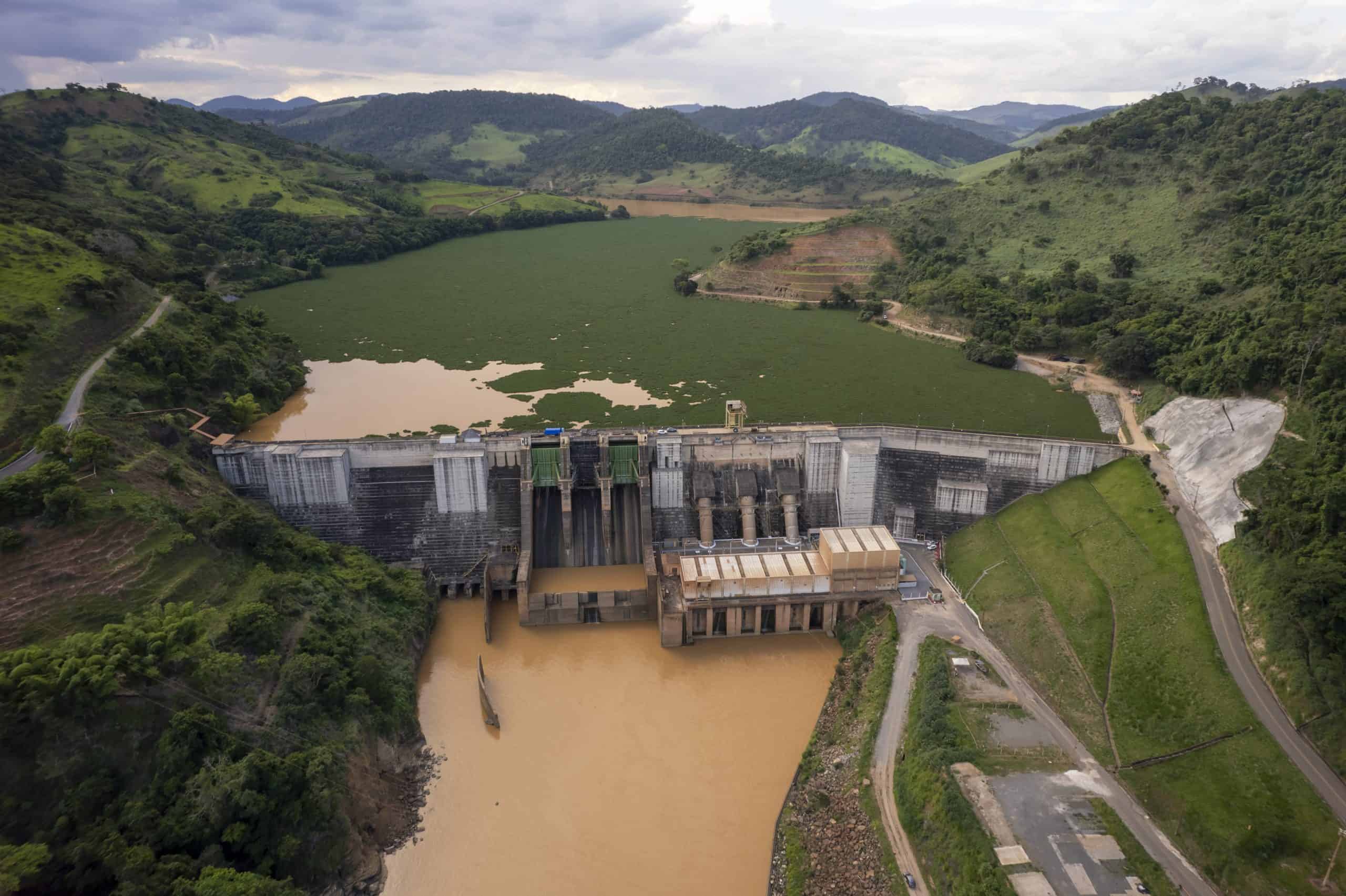
The Fundão dam, which held iron ore tailings, ruptured unexpectedly in the afternoon on November 5, 2015. This failure unleashed a deluge of about 52 million cubic meters of toxic mud. The wave of sludge surged through the nearby valleys, obliterating the villages of Bento Rodrigues and Paracatu de Baixo. Nineteen lives were lost, including workers and residents. Immediate rescue operations were hampered by the scale of the destruction, leaving communities devastated and displacing numerous families. The catastrophe unfolded quickly and caught many unawares, underscoring severe lapses in disaster preparedness and response mechanisms.
Extent of Environmental and Socioeconomic Damages
The environmental impact on the Rio Doce watershed was profound, with the tailings contaminating over 600 kilometers of rivers and regions extending to the Atlantic Ocean. The mud carried heavy metals and metalloids, causing long-term ecological harm. Aquatic life was severely affected, leading to the loss of local biodiversity. Communities relying on these resources faced water shortages and health issues, hindering their livelihood prospects. Economic repercussions were equally severe, affecting agriculture, fishing, and tourism. The estimated costs of the disaster ran into billions, as efforts to restore the environment and rehabilitate affected societies commenced amid complex legal and financial negotiations.
The Role of Samarco, Vale, and BHP Billiton
Samarco, a joint venture between Vale and BHP Billiton, operated the Fundão dam. These companies faced scrutiny over the disaster’s root causes, including allegations of negligence in the dam’s construction and maintenance. Investigations pointed to inadequate risk management practices and insufficient regulatory compliance. The companies have since been engaged in legal battles and settlements aimed at compensating affected populations. Foundation Renova, an entity created for rehabilitation efforts, represents part of the companies’ commitment to remedying the disaster’s aftermath. However, progress has been slow, with continuous community demands for more comprehensive and timely reparations.
Legal Framework and Negotiation Process
The “Acordo de Repactuação de Mariana” marks a significant evolution in addressing the legal and procedural challenges stemming from the disastrous dam failure in Mariana, Minas Gerais. This section examines the legal precedents set by earlier agreements, highlights the main stakeholders and their roles, and explores the judicial involvement in negotiating this impactful agreement.
History of Previous Agreements and TTAC
In the aftermath of the 2015 dam collapse, the original Termo de Transação e Ajustamento de Conduta (TTAC) was established to address the devastation. This agreement sought to mitigate environmental and social impacts through a structured set of compensatory and remedial actions. However, complexities in implementation and emerging needs led to the reevaluation of this framework.
The “Acordo de Repactuação” constitutes a revision of TTAC, aiming to streamline processes and enhance accountability. It incorporates lessons learned from initial challenges, adapting measures to improve resource allocation and project management. This renegotiated agreement underscores a more collaborative approach, striving for sustainable recovery and equitable compensation for affected communities.
Stakeholders and Institutions Involved
An array of stakeholders and institutions play crucial roles in the renegotiation process. Key participants include the mining companies BHP Billiton, Samarco, and Vale, all of whom have vested interests in reaching favorable resolutions. Public institutions such as the Advocacia-Geral da União (AGU) and Defensoria Pública provide oversight and legal support, ensuring that governmental perspectives are adequately represented.
Non-profit entities, like the Fundação Renova, also contribute by offering technical expertise and facilitating community engagement. This multi-sectoral cooperation is instrumental in aligning the diverse interests and responsibilities of these parties, thereby promoting effective implementation of the agreement’s terms.
Role of the Judiciary and Mediators
Judicial bodies, particularly the Supremo Tribunal Federal (STF) and the TRF6, serve pivotal roles in the mediation process. By assuming a leadership position, the STF, under the auspices of Minister Luís Roberto Barroso, contributes to fostering an environment conducive to fair negotiation. The judiciary acts as a neutral arbiter, ensuring that the interests of all parties, notably the affected communities, are adequately protected.
Mediators appointed by these courts facilitate dialogue and conflict resolution, drawing on innovative techniques to bridge gaps between disputing entities. These efforts by the judiciary are critical to maintaining momentum and resolving any legal complexities that arise throughout the negotiation process.
Resource Allocation and Financial Commitments
The “Acordo de Repactuação de Mariana” represents a significant financial commitment aimed at addressing the aftermath of the disastrous dam collapse. This agreement involves a complex allocation of funds between different entities and specifies distinct responsibilities for financial compensation and necessary actions.
Distribution of Funds Among Federal, State, and Local Entities
The agreement outlines a strategic distribution of resources across federal, state, and local entities to address the broad range of impacts caused by the disaster. A major highlight is the allocation of R$ 132 billion, a demonstrable commitment to substantial reparations and infrastructural support.
State and local governments play crucial roles in administrating portions of these funds to ensure the rebuilding of affected communities and ecosystems. Emphasis is placed on transparency, with the Fundo Rio Doce and Fundação Renova serving as key facilitators in overseeing the equitable and efficient deployment of financial resources.
Obrigações de Pagar vs. Obrigações de Fazer
A pivotal component of the financial commitments includes the distinction between obrigações de pagar (obligations to pay) and obrigações de fazer (obligations to act). The agreement dedicates around R$ 100 billion to market-tracked obligations to pay, focusing on direct reparative payments to affected people and businesses.
Conversely, obrigações de fazer entail commitments that surpass mere financial transactions, encompassing tasks like long-term environmental restoration and community rebuilds. This involves around R$ 32 billion and necessitates direct implementations of strategies for sustainable development and ecological recovery.
Program Implementation and Oversight
Effective implementation and oversight of initiatives under this agreement necessitate a cooperative approach among various stakeholders. Fundamental to this is the establishment of comissões de atingidos—commissions composed of affected individuals—ensuring the voices of those directly impacted by the disaster shape program governance.
Institutions like Fundação Renova oversee the progress and effectiveness of indenizações and other financial distributions, maintaining accountability and transparency. Comprehensive monitoring systems are integral to track project outcomes and compliance, facilitating ongoing adjustments to strategies to ensure goals are met efficiently and ethically.
Recovery, Reparation, and Environmental Strategies
The Acordo de Repactuação de Mariana sets out a comprehensive framework for addressing the environmental and social impacts of the 2015 dam disaster. Central strategies involve environmental restoration, community resettlement, and ecosystem preservation along the Rio Doce watershed.
Ações de Recuperação Ambiental and Sediment Removal
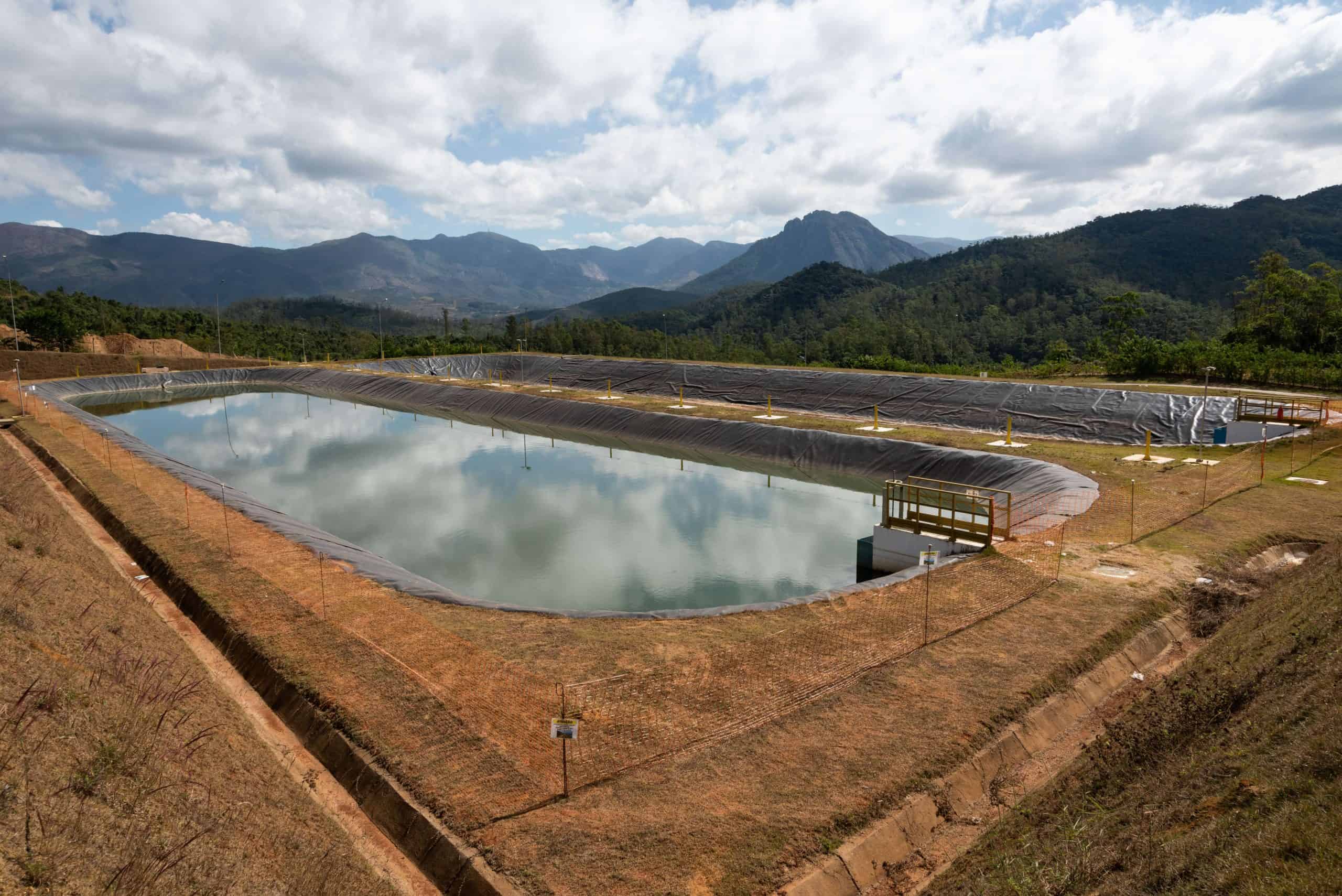
Environmental recovery plans include sediment removal and restoring areas affected by mining waste. These efforts target contaminated sites to rehabilitate ecosystems and restore the natural landscape. Sediment removal is critical for clearing toxic materials and minimizing environmental hazards. Removal projects employ modern techniques to ensure safety and effectiveness. Restoration activities also focus on replanting native vegetation and revitalizing aquatic habitats to encourage biodiversity.
The comprehensive approach facilitates the return of ecological balance. Additionally, monitoring systems track recovery progress to ensure long-term sustainability. Overall, these strategies contribute to reducing pollution and enhancing the quality of life for local communities.
Community Reassentamento and Infrastructure Efforts
Community resettlement is integral to the recovery strategy. Affected families receive new homes, ensuring they have access to essential services like water and electricity. Infrastructure efforts extend to healthcare, education, and transportation, improving community well-being and mobility. The reconstruction process considers environmental and cultural sensitivities, aiming to preserve community cohesion and heritage.
Infrastructure improvement plans include the construction and renovation of roads, schools, and health facilities. Such advancements not only address immediate needs but also foster long-term community development. Efforts are tailored to meet the needs of each resettled group, providing them with a solid foundation for rebuilding their lives.
Preservation of the Bacia do Rio Doce Ecosystem
Preserving the Bacia do Rio Doce ecosystem is vital, as it sustains numerous communities and diverse wildlife. Environmental strategies focus on water quality improvement, reforestation, and waste management. These actions aim to maintain biodiversity and ensure the ecological health of the region. Reforestation includes planting native tree species along riverbanks to stabilize soil and improve water retention, mitigating further ecological degradation.
Efforts to enhance water quality involve treating polluted waters and monitoring for compliance with environmental standards. By fostering collaborations with local organizations and stakeholders, these initiatives promote sustainability and adaptation to changing environmental conditions. The targeted preservation of the ecosystem plays a crucial role in protecting natural resources and supporting the livelihoods of those reliant on the river’s health.
Social Justice and Community Impacts
The Acordo de Repactuação seeks to address the multiple layers of social justice by offering comprehensive reparations to those most affected by the tragedy. This section explores the plans for reparação integral for impacted communities, the specific provisions for traditional, Quilombola, and Indigenous communities, as well as the broader strategies for economic recovery and indemnification.
Reparação Integral for Affected Groups
The agreement emphasizes reparação integral, aiming to restore affected groups to their pre-disaster conditions. This includes financial compensation, environmental restoration, and community rebuilding efforts. The comprehensive approach not only targets immediate financial needs but also invests in long-term infrastructure projects to enhance community resilience. Measures are in place to ensure transparency and accountability, with community leaders participating in decision-making processes to tailor initiatives to specific local needs. Educational programs and healthcare services are expanded to boost living standards and improve future prospects. Priority is given to revitalize businesses, particularly those involved in agriculture and local crafts, ensuring they can recover and grow sustainably.
Support for Traditional, Quilombola, and Indigenous Communities
Traditional, Quilombola, and Indigenous communities are given particular attention in the repactuação. Acknowledging their unique cultural and economic needs, the agreement provides targeted support to these groups to safeguard their ways of life. Initiatives include land rights protection, enhanced access to resources, and the establishment of cooperative models to elevate traditional crafts and trades. Educational initiatives are unique to these communities, focusing on language preservation and cultural education. Collaborative frameworks are built to ensure these communities have a voice in the implementation of projects, allowing them to guide efforts in a manner that respects and incorporates their heritage.
Indemnification and Economic Recovery Programs
Economic recovery programs are critical, focusing on indemnification and sustainable development. The agreement outlines indemnification packages for lost livelihoods, specifically targeting sectors like fishing and agriculture that suffered significant losses. To facilitate economic rejuvenation, micro-loans and grants are available to small business owners, with a special focus on female and youth entrepreneurs. Training programs and workshops are organized to enhance skills in technology, sustainable farming, and tourism, aiding long-term economic stability. These programs aim not just for financial restitution but foster a self-reliant recovery, ensuring communities are equipped to overcome future challenges independently.