The Mariana Dam Disaster represents one of the most devastating environmental tragedies in Brazil’s history. On November 5, 2015, the Fundão tailings dam at the Germano iron ore mine near Mariana, Minas Gerais, experienced a catastrophic failure. This collapse released approximately 43.7 million cubic meters of mining waste, wreaking havoc on surrounding communities and ecosystems.
In the wake of the disaster, entire villages were inundated by toxic sludge, resulting in significant loss of life and displacement. The affected areas faced long-lasting contamination of soil and water, as the mining waste continued to permeate local habitats. This environmental catastrophe highlighted the fragility of dam infrastructure and underscored the urgent need for stringent regulatory oversight in the mining industry.
Legal and social ramifications continue to unfold a decade later, as communities still seek justice and reparations for the enduring impacts. The disaster has sparked widespread discourse on the ethical responsibilities of multinational corporations involved in natural resource extraction. It serves as a poignant reminder of the potential consequences of inadequate safeguards and the importance of sustainable industrial practices.
Overview of the Mariana Dam Disaster
On November 5, 2015, the Fundão tailings dam near Mariana, Minas Gerais, Brazil, collapsed catastrophically, unleashing a torrent of toxic sludge affecting both human settlements and ecosystems. Operated by Samarco, a joint venture between Vale and BHP Billiton, the disaster led to widespread environmental devastation and significant human impact.
Chronology of the Collapse
Construction of the Fundão tailings dam was completed in the late 1970s, designed to store byproducts from iron ore operations at the Germano mine, part of the Samarco Mariana Mining Complex. On that fateful day in 2015, structural failures culminated in the dam’s breach, releasing about 40 million cubic meters of mining waste. This failure generated a destructive mudflow that swept through villages downstream at high speed. The dam’s collapse was sudden, offering little warning to those in its path, illustrating severe oversight issues. Investigations later attributed the collapse to a series of engineering and managerial deficiencies, highlighting the critical need for stringent maintenance and monitoring protocols in such industrial setups.
Location and Affected Areas
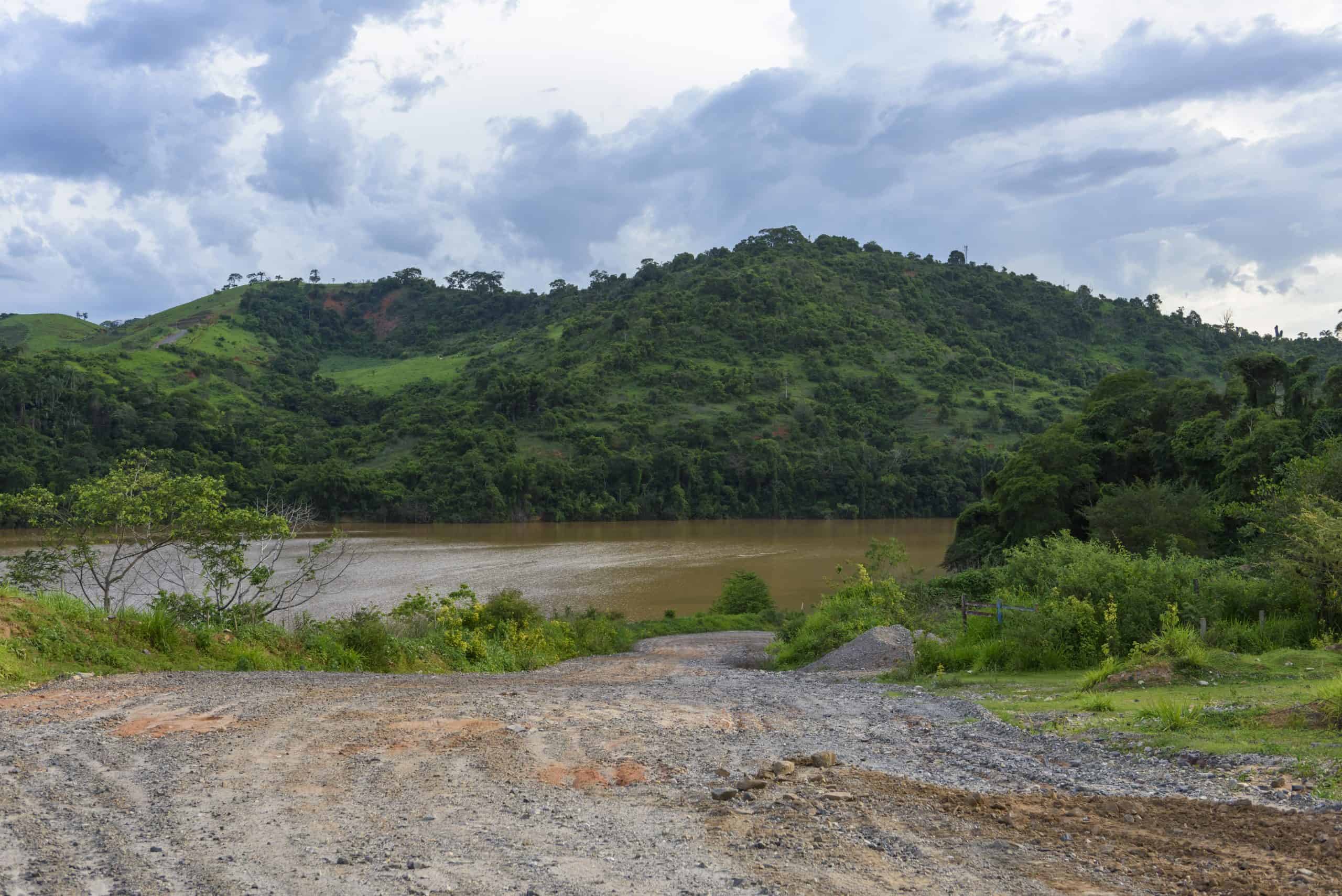
The dam was located near the city of Mariana in the state of Minas Gerais. When it failed, the resulting mudflow devastated the nearby villages of Bento Rodrigues and Paracatu de Baixo, obliterating homes and infrastructure. The mud eventually entered the Doce River, traveling over 300 miles to the Espírito Santo coastline, carrying toxic substances that severely impacted aquatic life and agriculture. This wide geographical impact exemplified the scale of environmental damage possible when industrial incidents occur without adequate preventive measures. Ripples of this destruction extended to economic losses, affecting local industries dependent on clean waterways.
Immediate Human Impact
As soon as the dam failed, it caused tragic loss of life and displacement across affected areas. Nineteen people lost their lives, primarily within Bento Rodrigues. The release of toxic sludge contaminated critical water resources, creating challenges for local communities dependent on these water sources for daily activities. Thousands were left homeless, grappling with both physical and emotional fallout as entire landscapes, once familiar, transformed overnight by this disaster. Residents faced health risks due to the hazardous chemicals in the mud, compounding the difficulties of recovery. The disaster highlighted vulnerabilities in local infrastructure and emergency preparedness, necessitating a reevaluation of policies to safeguard human lives.
Environmental and Societal Consequences
The Mariana Dam Disaster caused severe ecological damage and posed significant threats to public health, impacting indigenous and local communities as well as agriculture and fisheries. The collapse released vast amounts of toxic waste into the environment, creating lasting challenges for affected regions.
Ecological Damage and Biodiversity Loss
When the Fundão tailings dam ruptured, millions of cubic meters of toxic sludge were released into the Doce River, resulting in catastrophic ecological damage. Habitats were destroyed, causing an irreversible impact on fish populations and aquatic life. Birds and mammals dependent on these ecosystems also suffered, drastically reducing local biodiversity. Vegetation along the riverbanks was obliterated, leading to soil degradation and increased erosion risks.
The toxic components in the sludge wreaked havoc on plant life, hindering regrowth and contributing to long-term ecological instability. Restoration of these ecosystems demands significant time, effort, and resources, as their recovery remains uncertain.
Contamination and Public Health
The contamination spread by the dam’s failure posed serious threats to public health. Toxic metals like arsenic and mercury polluted water sources, increasing health hazards for communities relying on the Rio Doce for potable water and irrigation. This contamination contributed to skin disorders, respiratory problems, and other health complications among locals.
Access to clean water became a pressing issue as local resources were rendered unsafe, leading to increased reliance on external water supplies. Efforts to mitigate contamination’s impact continue, emphasizing the need for effective strategies to address both immediate and long-term public health risks.
Impact on Indigenous and Local Communities
The disaster severely affected indigenous and local communities, displacing numerous families and disrupting livelihoods. The Movement of People Affected by Dams became a crucial advocate for these communities, highlighting the profound socio-economic consequences experienced. Many lost their homes, land, and means of subsistence, particularly those relying on fishing and agriculture.
Cultural heritage sites and traditions tied to the river were significantly impacted, deepening the social and psychological toll on affected populations. Recovery efforts have been under scrutiny, emphasizing the importance of fair compensation and community involvement in decision-making processes.
Long-Term Effects on Agriculture and Fisheries
The negative effects on agriculture and fisheries were extensive and persistent. Farmland located near the Doce River was inundated with toxic mud, rendering it unfit for cultivation and reducing agricultural productivity. Contamination from heavy metals affected soil quality, hindering crop growth and demanding costly remediation efforts.
Furthermore, the collapse devastated local fishing industries, as fish populations and aquatic ecosystems were obliterated. Fishermen faced reduced catches and deteriorating economic conditions, significantly affecting their livelihoods. Restoration and rehabilitation projects in these sectors are critical for sustainable economic recovery.
Legal Proceedings and Corporate Accountability
The Mariana Dam disaster initiated a complex web of legal proceedings, highlighting corporate accountability and jurisdictional challenges. Several legal actions were pursued in both Brazilian and international courts to seek justice and compensation for affected communities.
Investigation and Regulatory Oversight
In the aftermath of the Mariana Dam collapse, regulatory bodies and legal institutions launched extensive investigations to determine the causes and assign responsibility. Brazilian authorities, including the National Mining Agency, played crucial roles in scrutinizing the operations of BHP Billiton and Vale, the companies involved in the dam’s management. These investigations aimed to uncover regulatory violations and assess the companies’ adherence to safety standards. Robust regulatory oversight was identified as a key factor in preventing such catastrophes in the future. The findings helped build the foundation for the legal claims, revealing significant gaps in compliance with environmental and safety regulations.
Key Legal Actions and Jurisdictional Challenges
Various legal challenges were brought against BHP Billiton and Vale, with the case gaining significant attention internationally. The English High Court played a pivotal role, with the law firm Pogust Goodhead representing over 620,000 victims. The case also navigated complex jurisdictional challenges, as claims spanned multiple countries, emphasizing the interplay between Brazilian and international law. The case explored the liability of parent companies and the concept of corporate accountability for actions of subsidiaries. The Brazilian courts, including the Supreme Federal Court, were instrumental in shaping the legal landscape and ultimately holding the companies accountable for the environmental and humanitarian impact of the disaster.
Compensation and Settlement Agreements
Securing fair compensation for those affected by the disaster was a central goal. A landmark settlement agreement aimed at providing monetary relief to the victims was negotiated, reflecting a commitment to corporate accountability. Compensation agreements were designed to address the extensive damage, loss of livelihoods, and environmental restoration required. The process faced delays and disputes over the adequacy and distribution of funds, leading to protracted legal battles. Nevertheless, these agreements were pivotal in ensuring that affected communities received some measure of justice and financial reparation for their suffering and losses.
Role of Renova Foundation
The Renova Foundation was established to manage and implement rehabilitation and compensation efforts following the disaster. Tasked with executing the settlement agreements, the Foundation coordinated with local and international stakeholders to facilitate recovery and restoration projects. Renova aimed to rebuild infrastructure, restore environmental damages, and compensate those directly impacted. Despite its vital role, the Foundation faced criticisms regarding the pace and effectiveness of its efforts. Concerns over transparency and accountability prompted additional oversight and adjustments in its operations, seeking to meet the expectations and needs of the affected communities while fulfilling the settlement obligations.
Legacy and Lessons Learned
The Mariana Dam Disaster, marked by the catastrophic failure of the Fundão tailings dam, has had significant implications on mining practices, regulatory frameworks, and industrial standards within Brazil and globally. The tragedy served as a catalyst for re-evaluating mining regulations, inspired broader policy changes, and invited comparisons with subsequent incidents like the Brumadinho disaster.
Implications for Mining Regulation
Following the Mariana disaster, there was a pronounced shift in mining regulations aimed at increasing accountability and safety standards. Regulations were adjusted to ensure more rigorous inspection protocols and the incorporation of advanced monitoring technologies in dam management. Enhanced guidelines and emergency response plans were implemented to prevent future occurrences of such scale. The disaster emphasized the importance of community engagement and transparent communication between mining companies and local populations. These changes have been pivotal in establishing stricter oversight and have driven the development of safer, more sustainable mining practices. Increased emphasis on environmental restoration and compensation for affected communities is now a standard regulatory expectation.
Broader Impact on Policy and Industry
The broader impact of the Mariana disaster reached beyond immediate regulatory changes, influencing policy decisions and industry practices globally. Mining companies faced increased scrutiny regarding their operational impacts and environmental responsibilities. This prompted a shift towards more sustainable practices and investments in technologies focused on environmental rehabilitation. Policymakers were compelled to factor in environmental risks while devising industrial and economic development strategies. The legacy of this tragedy is evident in the global mining industry’s gradual movement towards stricter environmental compliance and corporate social responsibility frameworks. Efforts to promote sustainable mining practices have become integral to international industry standards, ensuring that such disasters are less likely to occur in the future.
Mariana and Brumadinho: Comparative Analysis
The Brumadinho dam disaster, which occurred a few years after Mariana, highlighted continuing vulnerabilities within Brazil’s mining sector. Both disasters exposed critical gaps in dam safety and emergency preparedness. While Mariana prompted initial regulatory changes, Brumadinho underscored their insufficiency and the need for stricter enforcement. The Movement of People Affected by Dams (MAB) gained momentum as these tragedies emphasized the human and environmental costs of inadequate safety protocols. MAB has been instrumental in advocating for the rights and reparations of affected individuals. Comparative analysis of these incidents has stressed the need for sustained vigilance and comprehensive reforms, ultimately driving a deeper understanding of risk management within the industry.