The Mariana Dam disaster, which occurred on November 5, 2015, near Mariana in Minas Gerais, Brazil, is one of the most severe environmental catastrophes in the nation’s history. The catastrophic failure of the Fundão tailings dam resulted in the release of millions of tons of toxic waste, devastating entire communities and causing irreparable damage to ecosystems stretching over hundreds of kilometers. This event not only claimed 19 lives but also disrupted the livelihoods of countless others, highlighting the profound human and environmental impact.
Efforts to bring justice for those affected have been long and complex. Legal proceedings involving major companies responsible for the disaster, like BHP and Samarco, have unfolded over several years, with victims still seeking accountability and reparations. The case stands as a significant point of contention in international courts, reflecting the global reach of corporate responsibility.
In the aftermath of this tragedy, the Brazilian government has been working to mitigate the damages and provide support to the affected regions. Initiatives have been put in place to repair infrastructure and restore natural habitats, yet challenges remain substantial as communities continue to rebuild. The Mariana Dam disaster serves as a stark reminder of the delicate balance between industrial progress and environmental stewardship.
Mariana Dam Disaster: Key Facts and Timeline
The Mariana Dam Disaster was a significant environmental and human catastrophe that occurred in Brazil. The collapse of the Fundão Tailings Dam at the Germano Mining Complex had severe consequences, impacting the surrounding landscape and communities such as Bento Rodrigues.
Fundão Dam and the Germano Mining Complex
The Fundão Dam was part of the Germano Mining Complex in Mariana, operated by Samarco Mineração S.A., a joint venture between Vale S.A. and BHP Billiton. Initially constructed in the late 1970s, this engineering feat aimed to support mining operations by storing tailings—waste material from iron ore processing. By November 2015, issues in tailings management became catastrophic as structural weaknesses led to a breach, releasing approximately 43 million cubic meters of mining mud. This mudflow was inherently toxic, given the mining waste it contained. It swept through the region, impacting ecosystems and infrastructure significantly.
Immediate Aftermath and Environmental Impact
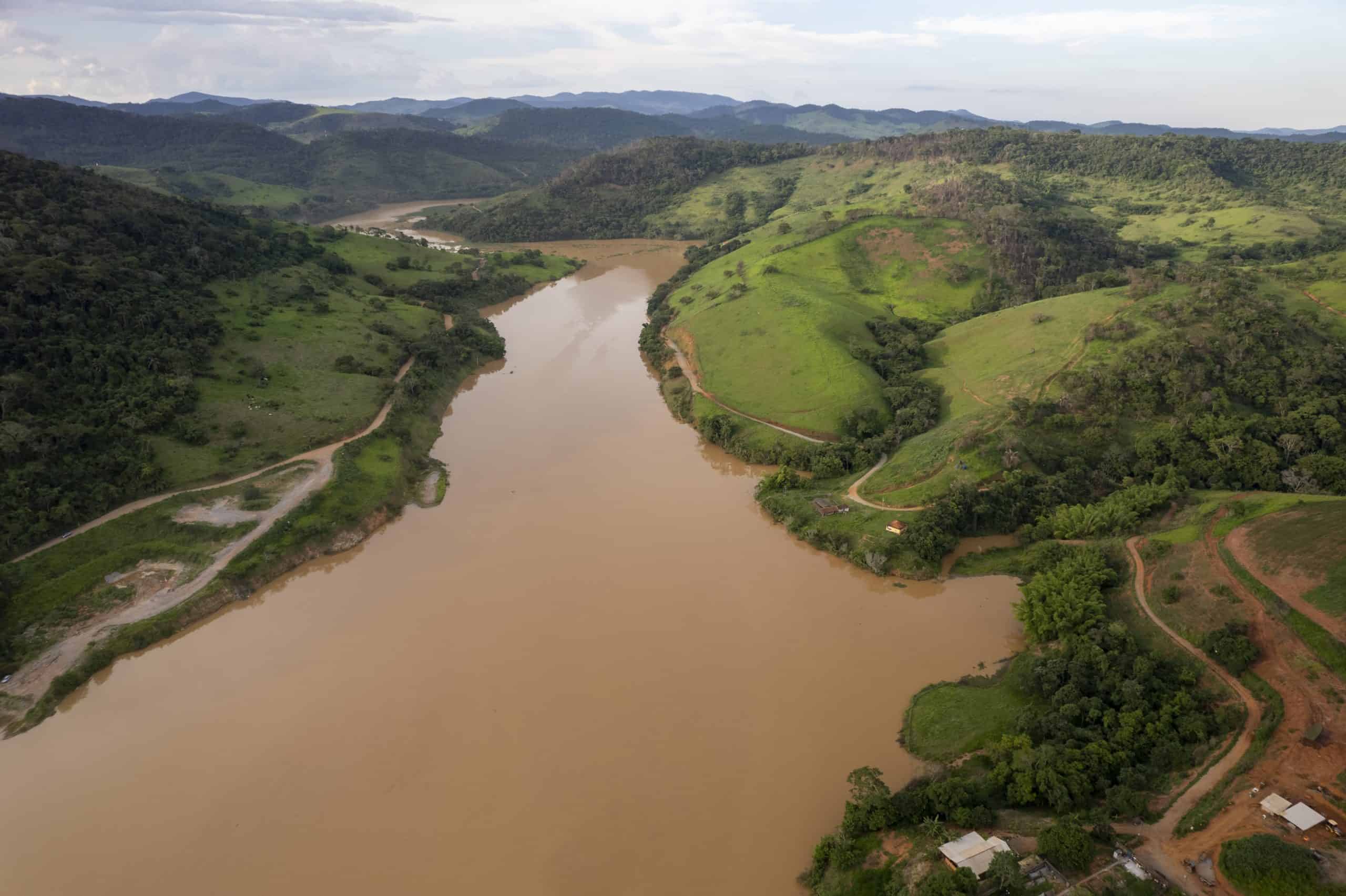
The breach of the Fundão Dam on 5 November 2015 caused a deluge of toxic sludge to flow through the Doce River basin. This environmental disaster led to significant ecological devastation, affecting water quality, river habitats, and the livelihood of countless flora and fauna. The sediment traveled downstream for 500 kilometers, reaching the Atlantic Ocean and affecting both the states of Minas Gerais and Espírito Santo. Local water supplies became undrinkable, and efforts to restore clean water to affected communities were hampered by logistical challenges. The long-term environmental impacts have included loss of biodiversity, as well as ongoing contamination issues in the waterways.
Affected Communities: Bento Rodrigues and Beyond
Among the most severely impacted areas was the village of Bento Rodrigues, which was almost completely buried under a thick layer of mud and debris. The disaster directly resulted in the loss of 19 lives and displaced hundreds more, creating a humanitarian crisis. The local residents, many of whom depended on agriculture and fishing, faced abrupt disruptions in their livelihoods. Infrastructure, including homes, schools, and roads, was destroyed. Bureaucratic red tape has stalled compensation and resettlement processes, leaving many residents dissatisfied with the response of the companies involved and the government. The disaster’s social impacts have been profound, highlighting the vulnerability of small communities in the wake of industrial failures.
Accountability, Reparations, and Ongoing Consequences
The collapse of the Mariana Dam, operated by Samarco—a joint venture between BHP Billiton and Vale—has had far-reaching impacts on the legal, environmental, and social landscape in Brazil. Stakeholders, including international law firms and local communities, continue to push for comprehensive reparations and long-term solutions.
Legal Proceedings and Corporate Liability
Legal actions stemming from the Mariana Dam disaster have been intricate, involving multiple stakeholders and claims. BHP Billiton, Vale, and Samarco face ongoing litigation concerning their roles in the dam’s failure and are subjects of numerous lawsuits. These companies have been held accountable, but the complexity of international law has slowed definitive resolutions. Pogust Goodhead, a law firm handling some of the litigation, has been instrumental in pursuing justice for affected communities across jurisdictional boundaries. Efforts continue to establish corporate liability, aiming to ensure responsible mining practices and prevent future occurrences, yet achieving consensus among all parties remains a challenge.
Environmental Restoration and Long-Term Effects
The environmental aftermath of the Mariana disaster has been severe, with pollutants affecting over 415 miles of the Doce River. Restoration efforts seek to address both acute and chronic damage, but progress has been slow, and the challenges are considerable. Environmental negligence has been a recurring issue highlighted by experts, stressing the need for corrective measures and sustainable practices. The consequences are long-lasting, not unlike those witnessed in later tragedies such as the Brumadinho dam collapse. Scientific and governmental efforts are ongoing, but achieving ecological balance is a long-term commitment requiring coordinated efforts from involved corporations like BHP and Vale, along with international environmental agencies.
Community Advocacy and Individual Compensation
Indigenous and local communities have been vocal in their demand for fair compensation and justice. The Movement of People Affected by Dams (MAB) has played a key role in organizing and representing affected individuals. Negotiations focus on individual compensation to address personal and communal losses suffered since the incident. Programs and funds managed by the Brazilian Development Bank aim to facilitate reparations, yet critics argue that efforts have been insufficient in addressing urgent needs. Community advocacy remains relentless, as these groups continue to hold corporations accountable, promoting transparency and equity in compensation frameworks.