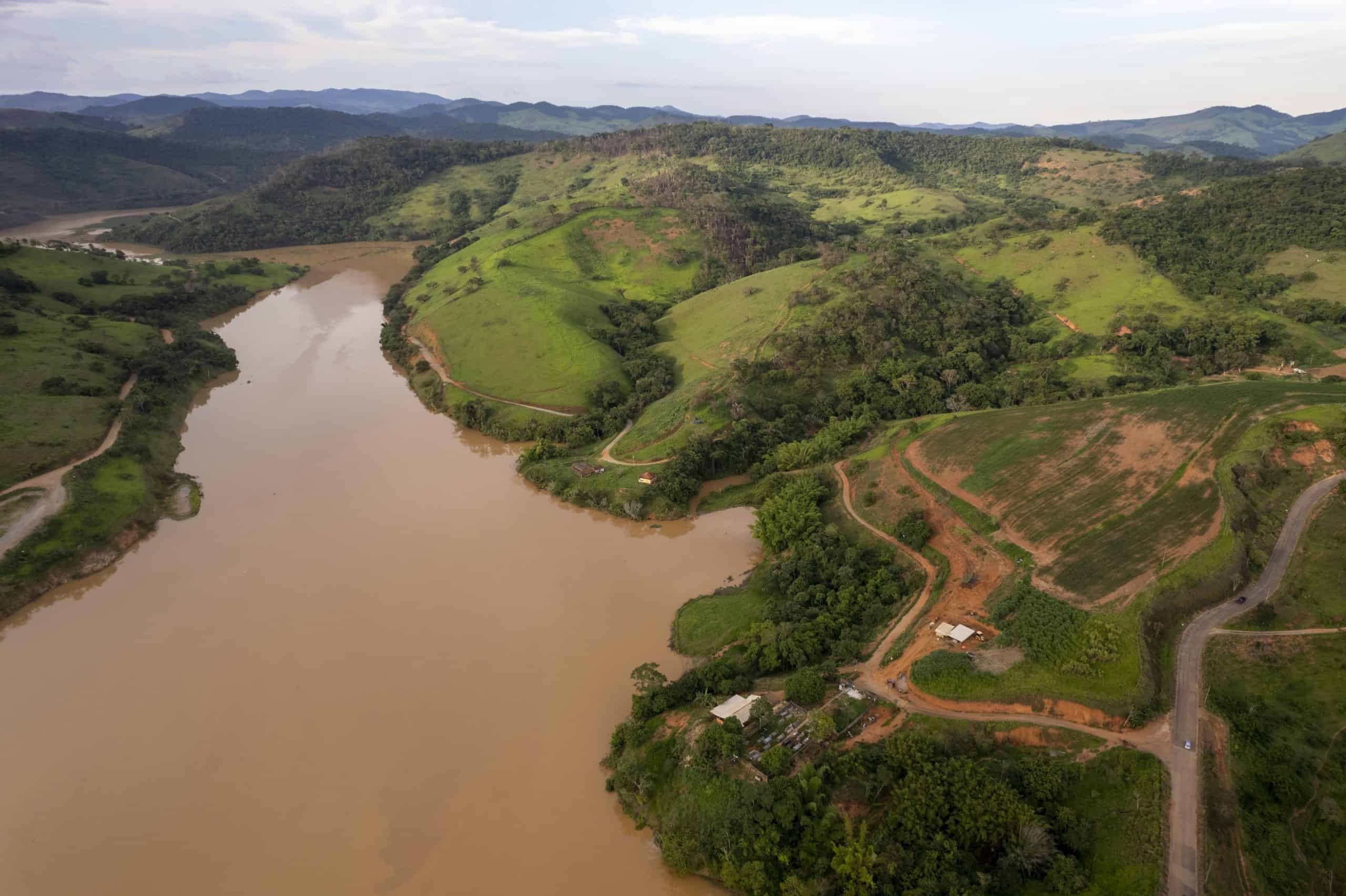
On November 5, 2015, the Fundão tailings dam, part of the Samarco Mariana Mining Complex in Minas Gerais, Brazil, suffered a catastrophic failure, marking one of the country’s most devastating environmental disasters. This disaster resulted in the release of millions of tons of toxic sludge, obliterating nearby villages and infiltrating vital ecosystems, proving to be both an ecological and human tragedy. This event became a critical wake-up call for global environmental management within the mining industry, highlighting the dangerous consequences of regulatory oversights and insufficient safety measures.
The collapse directly impacted over two million people, leaving a lasting scar on the communities surrounding the Rio Doce river which faced severe pollution. With the judgment in the UK courts holding the mining giant BHP accountable, international attention turned towards corporate responsibility and the long road toward reparations and justice for the affected communities. The scale of the destruction underscores an urgent need for stringent monitoring and transparent practices to prevent similar catastrophes worldwide.
Overview of the Mariana Dam Collapse
The Mariana Dam collapse, particularly involving the Fundão tailings dam, was a catastrophic event linked to mining operations. This disaster, facilitated by structural failures and harsh weather conditions, highlighted significant environmental and human impacts.
Timeline of Events
On November 5, 2015, the Fundão tailings dam, operated by Samarco, experienced a catastrophic failure. This incident rapidly unleashed millions of tons of toxic sludge, affecting Minas Gerais and beyond. The wall of waste destroyed homes, impacted residents, and led to the death of 19 individuals. Quick responses from emergency services were initiated, but the magnitude overwhelmed initial efforts. Significant legal actions followed against companies involved, including Vale and BHP Billiton, aiming to address the extensive damages. Investigations and settlements stretched over years, with continuous scrutiny on industrial practices.
Location and Structure of the Fundão Dam
The Fundão dam was part of the Samarco Mariana Mining Complex, located near Mariana in Minas Gerais, Brazil. This dam was a tailings dam, designed to store mining waste materials. It was instrumental in managing the substantial byproducts from iron ore extraction. Unfortunately, the dam’s design and maintenance failed to withstand the environmental demands placed upon it. Poor structural integrity and oversight were critical factors. The dam collapse not only raised questions about safety protocols but also drew attention to risks associated with similar structures worldwide, emphasizing the need for rigorous standards and regular inspections.
Magnitude and Scale of the Disaster
The disaster released around 40 million tons of toxic mining waste, affecting a 500 km stretch from Minas Gerais to the Atlantic Ocean. This caused severe ecological damage, contaminating rivers and adversely affecting aquatic and terrestrial life. The toxic mudflow devastated villages like Bento Rodrigues and Paracatu de Baixo, leading to long-term displacement and health impacts for residents. Economically, the disaster inflicted billions in losses, with repercussions felt across industries reliant on the local ecosystem. Legal and environmental reforms were subsequently demanded to prevent similar incidents, underscoring the extensive consequences of the collapse.
Human and Environmental Impact
The Mariana Dam disaster in 2015 led to catastrophic consequences for both human populations and ecosystems. The dam’s failure unleashed a massive wave of toxic sludge, permanently altering the lives of affected communities, particularly in the states of Minas Gerais and Espírito Santo.
Communities and Villages Affected
The disaster devastated local communities, most notably the village of Bento Rodrigues. The torrent of toxic sludge obliterated homes, schools, and infrastructure, leaving residents displaced and in despair. Many lost their livelihoods as agriculture and local businesses were destroyed. Individual compensation efforts were initiated, but challenges remain in adequately addressing the complex needs of thousands impacted by the collapse.
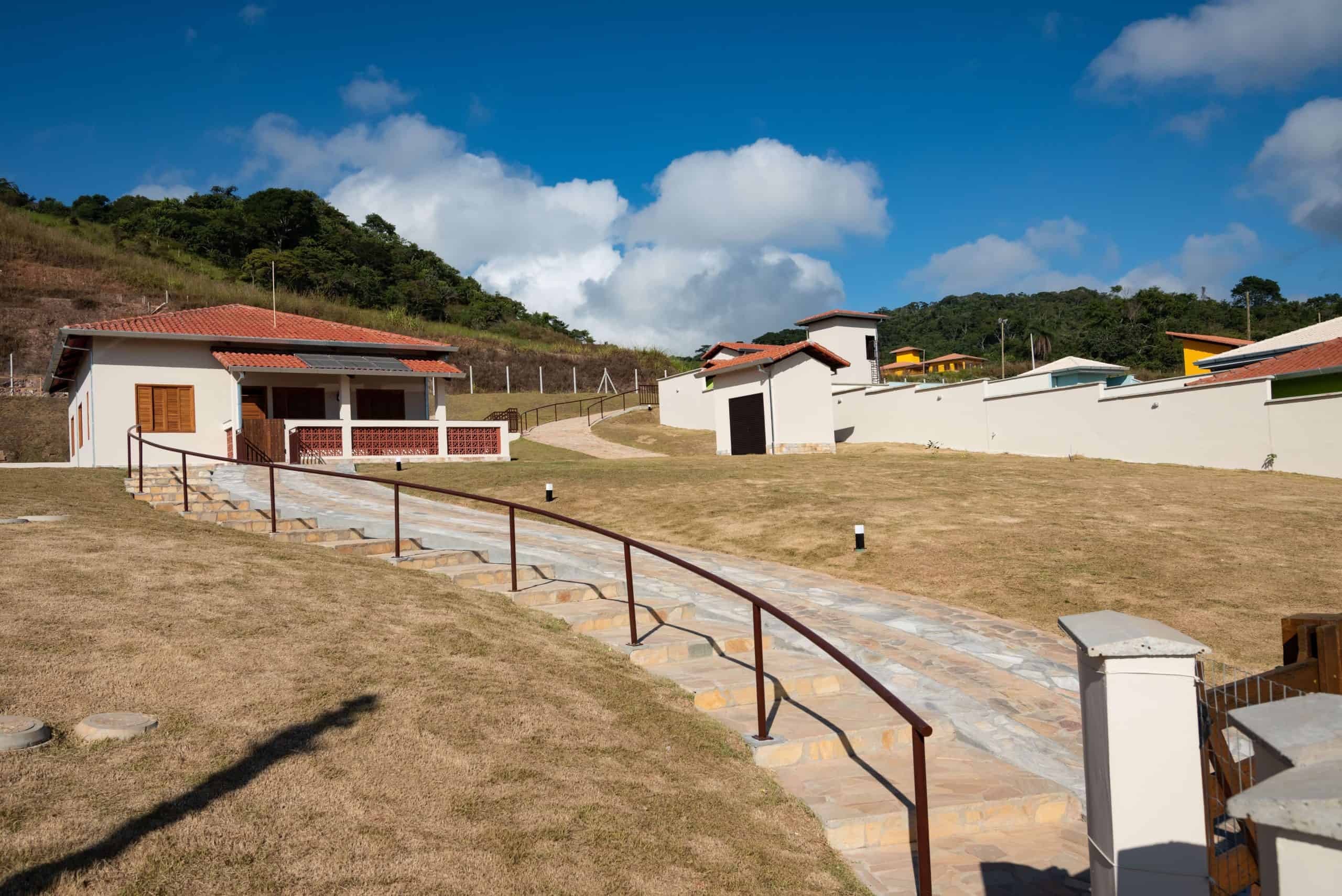
Efforts to rebuild and resettle affected populations have been slow, with many residents still living in temporary shelters. Psychological trauma lingers as families grapple with the loss of ancestral lands and community bonds. Affected communities continue to demand accountability and comprehensive support to rebuild not just physical structures, but their lives.
Ecological Consequences and Toxic Sludge
The environmental impact of the Mariana Dam disaster was profound, with toxic sludge inundating the Doce River and surrounding ecosystems. This viscous mix of mud and mining waste spread over vast distances, smothering plant and animal life in its path. The sludge’s toxic components disrupted the delicate balance of riverine habitats, leading to a sharp decline in biodiversity.
Water sources relied upon by local fauna and human settlements were contaminated, leading to a long-lasting ecological crisis. The disruption of fish populations has had cascading effects on the food chain, deeply affecting both regional ecology and fishing communities. Restoration efforts are ongoing, but rehabilitating such extensively damaged environments poses significant scientific and logistical challenges.
Long-Term Risks to Public Health
The disaster’s aftermath posed substantial long-term risks to public health for residents along the affected areas. Continuous exposure to contaminated water and soil threatens to increase rates of illness among local populations. Heavy metals and other pollutants present in the toxic mud pose serious health risks, including an increased incidence of cancer and respiratory issues.
Health monitoring and access to medical care have been prioritized, but resource limitations mean many potential issues remain under-addressed. Public health initiatives continue to focus on mitigating exposure risks and providing necessary healthcare services. Understanding the full extent of the catastrophe’s health implications requires sustained research and robust healthcare interventions.
Corporate Responsibility and Legal Proceedings
The collapse of the Fundão Dam in 2015 triggered extensive legal proceedings and intense scrutiny regarding the accountability of corporate operators. Companies involved faced significant lawsuits, highlighting the complex interplay between corporate responsibility and legal obligations in the context of environmental disasters.
Key Stakeholders and Operators
The Fundão Dam’s collapse involved several key entities, notably Samarco, a joint venture between Vale and BHP Billiton. As co-owners, these companies had significant operational and financial stakes in the mining activities. Vale, a major player in the global mining industry, and BHP Billiton, a multinational mining firm, were held accountable for the disaster’s environmental and socio-economic impacts. The disaster underscored the critical role these operators played, not just in day-to-day operations, but in ensuring safety and environmental standards are maintained. Recognizing the interconnected operations and management responsibilities of such large corporations has been vital in understanding the full scope of accountability.
Corporate Accountability and Environmental Negligence
BHP Billiton and Vale faced accusations of negligence and failure to adhere to essential environmental safeguards. Environmental negligence became a central focus, as investigations revealed that the risks of dam failure were foreseeable and preventable. The companies’ oversight mechanisms were criticized for inadequacies, prompting calls for increased regulatory oversight and enforcement of environmental standards. This case emphasized the importance of substantial corporate accountability in preventing environmental catastrophes, as it became apparent that corporate decisions had far-reaching consequences. Implementation of more stringent environmental policies and corporate governance reforms became pivotal discussions in the aftermath of the disaster.
Major Lawsuits and Compensation Rulings
The legal landscape following the disaster was marked by intense litigation. Notably, the law firm Pogust Goodhead played a key role in representing claimants in a large-scale lawsuit in the UK. BHP Billiton faced one of the largest environmental lawsuits, with claims potentially reaching billions. A landmark ruling by the English High Court found BHP strictly liable under Brazilian law, reinforcing the concept of parent company responsibility for subsidiaries’ actions. Compensation claims emphasized the need for corporate entities to provide adequate reparations for affected communities, setting significant legal precedents for future transnational environmental litigation.
Movement of People Affected by Dams
The aftermath of the Mariana Disaster significantly impacted the local population, with thousands displaced due to the catastrophic failure of the dam. The movement of affected people highlighted the humanitarian dimension of such disasters. Brumadinho, another disaster involving Vale, echoed similar patterns of displacement and upheaval among local communities. Incorporating measures to support and compensate affected individuals has become crucial in legal strategies and corporate policies. Addressing these humanitarian issues required coordinated efforts between corporations, governments, and non-profit organizations to rebuild livelihoods and ensure long-term community resilience.
Aftermath, Restoration, and Ongoing Challenges
Following the catastrophic collapse of the Mariana Dam, widespread efforts have been deployed to address issues such as financial compensation, environmental restoration, and community rebuilding. Key players including Samarco, Vale, and BHP Billiton have been instrumental in navigating these complex challenges across the affected regions.
Settlement Agreements and Financial Reparations
In the wake of the disaster, a significant fund was established to ensure financial reparations for affected communities. The Brazilian government, alongside Samarco, Vale, and BHP Billiton, set up a R$49.1 billion fund managed by the Brazilian Development Bank. This fund addresses both individual compensation and communal recovery projects, with over twenty-one municipalities in the states of Minas Gerais and Espírito Santo joining reparations agreements. These financial reparations are vital for those who lost homes and livelihoods. The Renova Foundation was also launched to oversee the long-term management and disbursement of these reparations while improving transparency between stakeholders.
Environmental Recovery Initiatives
The environmental fallout from the Fundão tailings dam collapse necessitated innovative ecological recovery strategies. Efforts have centered on restoring river systems and affected ecosystems along the Rio Doce, where millions of tons of mining waste were released. These initiatives include rehabilitating contaminated waterways, replanting native vegetation, and employing advanced technologies to monitor water quality and soil conditions. Researchers and environmentalists are continually exploring new methodologies to mitigate ongoing environmental damage. Collaboration among government entities, scientific communities, and stakeholders remains essential to ensure sustainable restoration practices.
Community Support and Future Prevention
Communities downstream of the dam continue to face hardships as they adapt to post-disaster realities. Support initiatives have been launched focusing on housing, health, and economic development to empower local residents. Educational programs and economic diversification projects have been introduced to reduce dependency on the mining industry and foster resilience. Looking forward, future prevention measures are crucial to avoid similar catastrophes. Comprehensive reviews of tailings dam policies are underway, and stricter regulations are being enforced. Stakeholders are adopting global best practices in tailings management to enhance safety and environmental compliance, paving the way for a more secure and sustainable mining landscape.