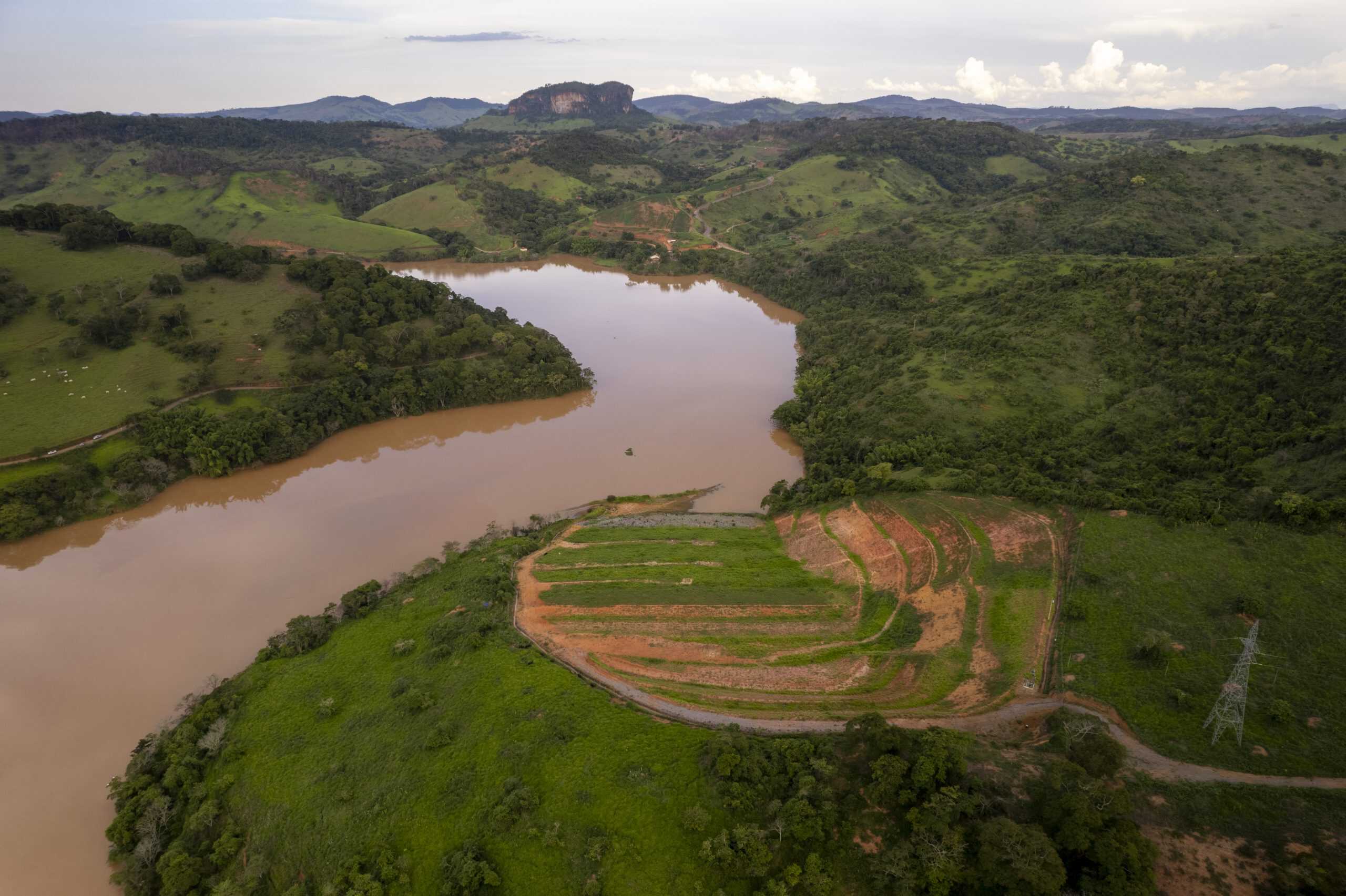
On November 5, 2015, a catastrophic dam failure at the Samarco iron ore mine unfolded near Mariana, Minas Gerais, Brazil. This disaster unleashed approximately 43.7 million cubic meters of toxic iron ore waste and mud, leading to the tragic loss of 19 lives and wreaking havoc on local communities and environments. The collapse is considered one of Brazil’s most devastating environmental disasters, with far-reaching social and ecological impacts.
As the desperate search for accountability and justice continues, attention remains focused on the role of the mining giants behind the disaster: Vale and BHP Billiton. In the years following the tragedy, significant legal battles have ensued, bringing attention to corporate responsibility and the need for stringent regulatory oversight in the mining sector. The widespread devastation also highlights the critical importance of proactive safety measures to prevent such horrifying events from happening again.
Beyond the immediate destruction, the disaster has triggered ongoing discussions about the sustainable development and rehabilitation of affected regions. Compensation and reparations have been a continuous process, with billions of reals allocated for recovery and rebuilding efforts. The Samarco Dam Disaster remains a pivotal moment, prompting reflection on the balance between industrial progress and environmental stewardship.
Chronology and Immediate Impact of the Samarco Dam Disaster
The Samarco Dam Disaster, unfolding on November 5, 2015, in Brazil, was a catastrophic failure that caused widespread environmental and humanitarian crises. This disaster significantly impacted numerous communities and resulted in severe ecological consequences.
Timeline of the Collapse
On November 5, 2015, at approximately 3:30 PM, the Fundão tailings dam, part of the Germano iron ore mining complex operated by Samarco, suffered a catastrophic failure. Owned jointly by Brazilian company Vale and Anglo-Australian mining giant BHP, the dam released about 45 million cubic meters of toxic iron ore waste. This breach resulted in a massive torrent of sludge cascading into the nearby Gualaxo do Norte River, subsequently affecting the Doce River. Immediate emergency responses were initiated, but the sheer volume of the waste led to significant and swift destruction of the areas downstream.
Affected Locations and Communities
The spill severely affected several communities, with Bento Rodrigues being the most impacted due to its proximity to the dam. Entire villages were buried under the toxic waste, forcing the evacuation of hundreds of residents. Paracatu de Baixo and Barra Longa also faced devastating consequences, experiencing destruction of homes and infrastructure. The toxic mudflow traveled down to the Doce River, reaching as far as the Atlantic Ocean. The environmental impact extended across the Doce River Basin area, leading to contamination and long-term ecological damage that endangered regional biodiversity.
Humanitarian Crisis and Casualties
Nineteen people lost their lives as a direct result of the disaster. Among them were employees of the mine and residents of affected communities. The mudslide buried numerous structures, rendering many residents homeless. Thousands of people were displaced, initiating a humanitarian crisis that strained local resources. Samarco, supported by its shareholders Vale and BHP, mobilized efforts to provide immediate relief to the affected, including temporary shelters, food, and essential supplies. Despite these efforts, the scale of the disaster overwhelmed initial responses, highlighting significant challenges in addressing the needs of the displaced populations. The loss of livelihood, homes, and the emotional trauma contributed to long-lasting impacts on the affected communities.
Causes, Responsibility, and Legal Proceedings
The Samarco Dam disaster was a complex event resulting from structural weaknesses and inadequate risk management. Investigations into the incident revealed multiple areas of concern, including the involvement of major corporations and the response of regulatory bodies.
Structural and Operational Failures
The collapse of the Fundão Dam was primarily attributed to structural deficiencies and poor operational oversight. Factors such as design flaws, insufficient maintenance, and inadequate monitoring systems contributed significantly to the failure. The dam’s construction failed to account for the pressure exerted by excess water and mining waste, which led to its eventual breakdown. Operational oversights, such as inadequate emergency protocols and the inability to manage the build-up of mining waste, exacerbated the situation. The lack of operational transparency and failure to heed early warning signs further highlighted these systemic issues.
Corporate Accountability and Risk Management
Corporations involved, notably BHP Billiton and Vale, faced scrutiny for their roles in the disaster. As joint owners of Samarco, they were held accountable for failing to implement effective risk management strategies. They were responsible for monitoring operational safety and ensuring the dam’s structural integrity. The companies neglected to prioritize regular risk assessments and emergency preparedness, which could have mitigated the disaster’s impact. Their oversight resulted in a considerable legal obligation to prevent the harm caused by their negligence. Furthermore, the lack of a proactive approach to corporate governance and risk management highlighted significant gaps in accountability.
Litigation and Compensation Agreements
The legal proceedings following the dam collapse were extensive, with BHP Billiton and Vale facing numerous lawsuits. The most significant was a class action lawsuit brought against BHP in the English High Court, which held the company liable for damages under Brazilian law. Both firms were compelled to participate in compensation agreements, totaling billions of dollars to address the environmental and socio-economic damage. These agreements aimed to provide reparations for affected communities and restore the damaged ecosystems. The establishment of the Renova Foundation was a crucial step in managing the compensation process, ensuring that funds were distributed effectively and transparently.
Role of Regulatory Authorities
Regulatory authorities like the National Department of Mineral Production played a critical role in overseeing mining operations. Their responsibilities included ensuring compliance with safety and environmental standards. However, their effectiveness in the case of the Samarco Dam disaster was questioned. The inability to enforce stricter regulatory measures and conduct thorough inspections contributed to the disaster. Additionally, communication lapses between authorities and corporate entities led to delayed responses during critical moments. The disaster prompted a reevaluation of regulatory frameworks, emphasizing the need for more rigorous oversight and greater alignment between corporate practices and regulatory expectations.
Long-term Environmental and Social Consequences
The aftermath of the Samarco Dam Disaster continues to impact both the environment and local communities profoundly. Ecological damage to the Doce River system and socioeconomic disruptions to affected populations remain pressing issues, while human health and the lives of Indigenous communities face ongoing challenges.
Ecological Impact on the Doce River System
The Samarco Dam Disaster released vast amounts of iron ore waste into the Doce River, leading to catastrophic environmental damage. Heavy metals and toxic elements contaminated the water, affecting aquatic life and reducing biodiversity. The river’s ecological balance was severely disrupted, impacting fish populations and other species dependent on the waterway. This contamination spread throughout the Doce River basin, reaching the Atlantic Ocean, and created long-lasting challenges for environmental recovery.
Efforts to rehabilitate the river ecosystem have faced significant hurdles. Reestablishing the natural habitat and fostering plant and animal life remains a daunting task. Remediation activities, including sediment removal and water quality monitoring, are ongoing. However, the complexity of restoring a river system extends beyond immediate cleanup efforts, necessitating long-term commitment and significant resources.
Socioeconomic Effects on Local Populations
The disaster profoundly affected the lives of thousands living near the Doce River. Villages were inundated, housing and infrastructure destroyed, forcing many to relocate. The movement of people affected by the dam collapse caused significant disruption, displacing communities and reshaping social dynamics. Economic activities such as fishing and agriculture, vital for local livelihoods, faced considerable setbacks.
Compensation and rehabilitation initiatives have sought to address these socioeconomic challenges, but many residents still struggle to regain their previous standard of living. Employment opportunities diminished as industries dependent on the river’s health faltered. Implementing sustainable development plans for the region continues to be essential to support and rebuild these communities.
Human Health and Indigenous Communities
Human health impacts persist, primarily due to exposure to contaminated water and soil. Communities report illnesses related to the disaster, including skin and respiratory issues. The impact on mental health has also been profound, as stress and uncertainty regarding the future take a toll. Addressing these health concerns requires integrated healthcare responses and continued monitoring.
Indigenous communities, in particular, have faced unique challenges. Their cultural and spiritual connections to the land and river have been disrupted. The contamination of natural resources threatens their traditional ways of life and food sources. Creating effective support systems for these communities involves respecting their cultural heritage and ensuring participation in recovery and decision-making processes.
Reparations, Recovery, and Future Implications
The aftermath of the Samarco Dam disaster has sparked a comprehensive strategy involving financial reparations, community support, and reforms in mining practices. It has led to significant legal and corporate shifts, with a focus on rebuilding trust and ensuring better safety measures in the mining industry.
Role of the Renova Foundation
The Renova Foundation plays a pivotal role in managing the reparative efforts for those affected by the disaster. Established as part of a reparations agreement, the foundation oversees distribution of funds to restore the environment and support impacted communities. It operates a range of projects, from ecological recovery initiatives to economic support programs aimed at restoring livelihoods.
Their comprehensive approach reflects a commitment to sustainability and long-term benefit for the impacted regions. Through partnerships with local governments and stakeholders, the foundation strives to achieve its mission efficiently. Renova’s initiatives are designed to address not only immediate needs but also future resilience against potential disasters.
Community Resettlement and Support
Community resettlement and support are among the most crucial components of the disaster recovery process. Many affected individuals were displaced and required rehousing away from the disaster zone. The resettlement process involves building new homes and infrastructure, while ensuring access to essential services such as education and healthcare.
Support extends beyond physical relocation. Psychological assistance and employment support initiatives are prioritized, with efforts to integrate residents back into stable community structures. Ensuring that resettled families find new economic opportunities is vital for their long-term stability. This holistic approach aims to foster a sense of community and belonging among those impacted by the tragedy.
Corporate and Regulatory Reforms
The calamity brought about a paradigm shift in corporate responsibility within the mining sector. It prompted stricter regulatory frameworks aimed at preventing future disasters. These regulations emphasize the need for enhanced safety protocols and real-time monitoring systems for dam structures and mining operations.
Miners are required to comply with more rigorous standards and regular audits, ensuring ecological and human health considerations are prioritized. Corporate actors like BHP and Vale have faced increased scrutiny, pressing them to adopt more transparent and sustainable operational practices. These reforms aim to embed safety and accountability into the core of mining activities.
Social License to Operate in Mining
Establishing a Social License to Operate (SLO) has become central to mining companies’ operations post-disaster. This informal license, granted by the community, demands ongoing engagement and responsiveness to public concerns. Mining entities now actively pursue initiatives that build community trust, demonstrating commitment to local welfare and environmental stewardship.
Companies are investing in open dialogue platforms and community feedback mechanisms to sustain their social license. This proactivity is crucial for maintaining operational legitimacy and securing future projects. The Samarco disaster underscored the essential nature of community support and engagement, reinforcing the notion that without social approval, corporate endeavors may face substantial resistance.