The Mariana Dam disaster, occurring on November 5, 2015, is often described as Brazil’s most severe environmental catastrophe. Situated at the Samarco Mariana Mining Complex in Minas Gerais, the collapse of the Fundão tailings dam released approximately 43.7 million cubic meters of iron ore waste. This event obliterated entire communities and polluted vital ecosystems, emphasizing the need for stringent industrial oversight and environmental protection.
This calamity not only laid bare the vulnerabilities in mining infrastructure but also spotlighted the human cost of such oversights. The collapse resulted in the deaths of 19 people and affected numerous communities, leaving a lasting scar on the region’s landscape and the lives of its inhabitants. Settlements and agricultural lands were engulfed by a wave of toxic sludge, leading to far-reaching ecological and economic ramifications.
International attention followed, as the mining giants BHP and Vale reached a settlement agreement with the Brazilian government to compensate for the damages. These developments indicate a shift towards holding corporations accountable for environmental negligence, providing a critical insight into corporate responsibility in industrial sectors.
Overview of the Mariana Dam Disaster
On November 5, 2015, the Fundão tailings dam in Mariana, Minas Gerais, Brazil, experienced a catastrophic failure, leading to one of the most significant environmental disasters in Brazil’s history. The disaster profoundly affected surrounding communities and ecosystems, involving major industry players and critical territories.
Timeline of Events
The events began with the Fundão dam’s collapse on November 5, 2015, releasing approximately 43.7 million cubic meters of mining waste into the surroundings. This massive flow of toxic sludge spread rapidly, devastating the nearby village of Bento Rodrigues and continuing downstream, affecting communities and ecosystems over an extensive area.
Emergency response efforts were initiated immediately, but the scale and speed of the disaster made containment challenging. Over the following weeks and months, the impacted areas faced significant environmental and social crises, while efforts to mitigate and manage the disaster’s impacts unfolded.
Location and Affected Areas
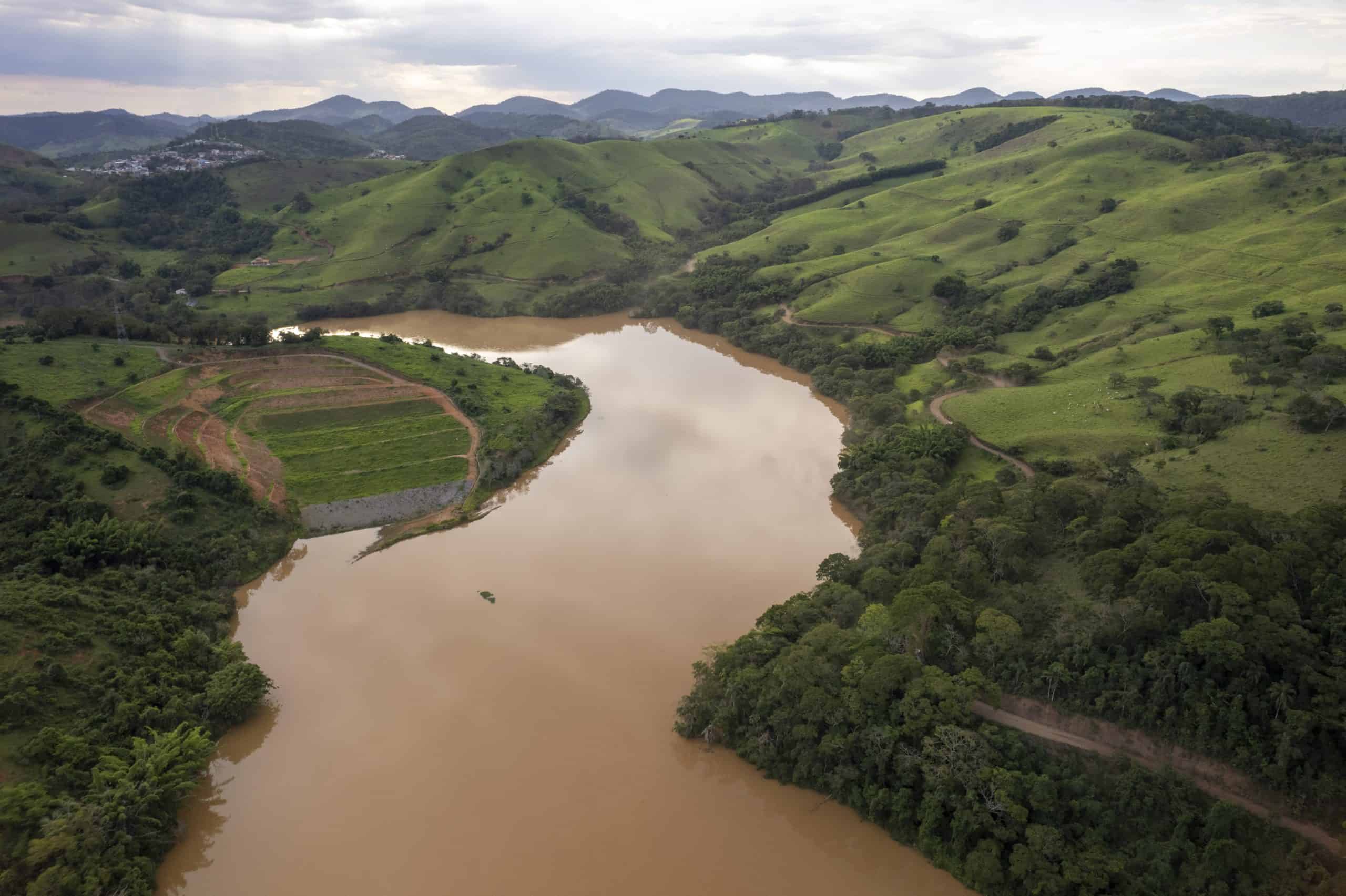
The disaster’s epicenter was the Fundão tailings dam located near the town of Mariana in Minas Gerais, a region known for its mining activities. Bento Rodrigues, the closest village, was nearly obliterated, with homes and infrastructure swept away by the torrent of waste. The scope of the disaster extended over 300 miles, affecting diverse ecosystems, rivers, and additional communities downstream.
This region, vital for its biodiversity and communities dependent on natural resources, faced unprecedented levels of environmental degradation. The toxic sludge impacted key rivers, which served as crucial water sources for both humans and wildlife, leading to long-term ecological challenges.
Key Stakeholders
The primary stakeholders involved included Samarco, the mine operator responsible for the dam, and its parent companies, Vale and BHP Billiton. These entities faced significant scrutiny and legal challenges in the disaster’s aftermath, as they were tasked with addressing immediate relief efforts and long-term environmental rehabilitation.
Local communities, government agencies, and environmental organizations also played critical roles in navigating the complex landscape of disaster response and recovery. The disaster highlighted broader regulatory issues within Brazil’s mining sector, prompting discussions and policy reevaluations aimed at preventing future occurrences.
Causes and Failure Mechanisms
The Mariana Dam disaster was precipitated by multiple interconnected factors, including structural weaknesses, insufficient monitoring, and the operational practices of mining companies involved. These components collectively contributed to the catastrophic failure.
Structural Integrity Issues
The Fundão tailings dam collapse can be attributed to significant structural problems. Specifically, the dam suffered from inadequate design and construction defects, hindering its ability to withstand internal pressures. Over time, the accumulation of tailings produced a slurry instability, undermining the dam’s foundation.
Erosion of internal materials and insufficient reinforcement contributed to the failure. Excessive rain and poor drainage further exacerbated the situation, causing progressive weakening. Engineers failed to fully account for these environmental factors, which played a role in stressing the dam’s structure beyond its capacity.
Inadequate Monitoring and Maintenance
Monitoring and maintenance were inadequate, greatly affecting the dam’s stability. Advanced monitoring systems, which should have detected warning signs, were either absent or poorly implemented. Often, these systems can provide crucial data on structural shifts and stress levels.
Records suggest that the response to detected anomalies was lethargic, with critical adjustments and repairs delayed. Routine inspections, which could have mitigated risks, were inconsistent. Thus, the lack of timely intervention failed to prevent the disaster, highlighting glaring gaps in operational oversight and management.
Roles of Mining Companies
Samarco, Vale, and BHP Billiton played considerable roles in the disaster through their management practices. These companies prioritized production, often at the expense of safety. Their cost-cutting measures curtailed investments into essential safety protocols and infrastructure upgrades.
There were systemic issues in risk assessment processes conducted by the companies. This oversight created a complacent safety culture, where the emphasis on maximizing output overshadowed the need for robust safety practices. Continued negligence and avoidance of critical safety investments significantly set the stage for the eventual failure of the dam.
Immediate Impact and Human Cost
The Mariana Dam disaster in 2015 caused severe humanitarian and environmental consequences. Lives were lost, entire communities were uprooted, and the urgent response to the devastation was crucial in determining the long-term recovery prospects.
Loss of Life and Displacement
The catastrophic collapse of the dam resulted in multiple fatalities and left many residents in turmoil. Immediate fatalities were reported, and many people were missing as the floodwaters rushed through villages. The village of Bento Rodrigues was especially hard-hit, as it was located closest to the dam and suffered the brunt of the disaster. Those who survived were forced to evacuate, resulting in significant displacement. This event led to a humanitarian crisis, with emergency shelters being set up to accommodate those who had lost their homes.
Destruction of Communities
Communities across the affected area faced severe destruction. Buildings, schools, and local businesses were engulfed by a wall of toxic sludge. The social fabric of these communities was deeply affected, as residents found their homes reduced to mud and debris. The destruction in Bento Rodrigues exemplified the scale of devastation, with nearly every structure decimated. Agricultural lands in the vicinity were also buried under the waste, further complicating livelihood recovery efforts. The socioeconomic impact of this disaster reverberated through families who depended on these lands for their sustenance and income.
Emergency Response
The emergency response efforts were critical yet challenging in the wake of the disaster. Search and rescue operations were initiated immediately to save those trapped amidst the debris. Local authorities, alongside Samarco and other organizations, worked tirelessly to provide immediate aid and medical care. The creation of the Renova Foundation by Samarco was a move towards managing post-disaster recovery and ensuring the long-term well-being of affected residents. Despite these efforts, limitations in preparedness and resources became apparent, highlighting the need for improved emergency strategies in similar industrial settings.
Environmental and Socioeconomic Consequences
The collapse of the Fundão tailings dam in Minas Gerais resulted in widespread devastation of water systems, local economies, and cultural heritage. The toxic sludge significantly impaired biodiversity, while agriculture suffered long-term setbacks.
Waterway and Biodiversity Damage
The toxic sludge unleashed into the Doce River severely harmed aquatic life and altered ecosystems. This sludge, laden with heavy metals, caused substantial fish deaths, affecting both biodiversity and local fishery industries. The impacted waterways saw a decline in water quality, causing long-term environmental stress.
Aquatic habitats experienced significant disruptions, jeopardizing species that were dependent on these ecosystems. The sediment smothered plants and animals, reducing habitat availability and degrading the aquatic environment. As a result, the ecological balance of the area remains highly disrupted.
Agricultural and Cultural Losses
Local agriculture faced devastating impacts as farmland was inundated with mining waste. This contamination led to soil degradation, reducing the fertility of previously arable land. Farmers faced significant challenges in restoring productivity, affecting food supply and local economies.
The cultural heritage of the region also suffered. Many families were displaced, losing homes and traditional lands. Historical sites near the disaster zone endured damage, erasing parts of cultural identity. Communities are still grappling with the socio-cultural ramifications of their dislocation.
Long-Term Recovery Efforts
Recovery efforts focus on environmental restoration and economic rehabilitation. Initiatives include cleaning water systems, reviving ecosystems, and introducing alternative economic activities. Governments and organizations are heavily involved in these restoration efforts.
Addressing long-term sustainability, reforestation, and soil recovery projects aim to restore ecological health. Community support initiatives strive to rebuild livelihoods impacted by the disaster, with ongoing financial and technical assistance to revive battered local economies. These efforts emphasize resilience planning to safeguard against future disasters.
Legal Proceedings and Accountability
The Mariana Dam disaster initiated numerous legal actions targeting the corporations involved, focusing on environmental damage and victim compensation. Important cases have spanned multiple countries, highlighting corporate accountability in environmental disasters.
Litigation Timeline
The legal journey began immediately after the 2015 tragedy, with proceedings targeting the mining giants Samarco, Vale, and BHP Billiton. Brazilian courts have been inundated with over 85,000 lawsuits related to the disaster. These cases tackle both criminal and civil charges, stalling resolution on various fronts.
In 2016, an initial agreement failed to resolve lingering issues, necessitating further legal challenges. By 2025, ongoing litigation in Brazil has resulted in several suspended lawsuits to facilitate potential settlements. This complex timeline reflects protracted judicial processes in navigating environmental and corporate liability.
Global Legal Actions
Beyond Brazil, the disaster prompted significant legal actions worldwide. In the UK, BHP Billiton faces a £36 billion lawsuit, marking one of the largest claims concerning environmental liability. Legal proceedings aim to secure justice for victims in international jurisdictions, emphasizing cross-border accountability.
Parallel cases in the Netherlands involve Vale, with over 77,000 claimants seeking damages in a £3 billion suit. Dutch courts will determine Vale’s responsibility, demonstrating the global legal repercussions for the companies involved. These international lawsuits underline the extensive reach of the disaster’s legal ramifications.
Compensation and Settlements
Efforts to compensate victims have been ongoing, involving complex negotiations. In Brazil, a historic agreement saw BHP and Vale commit nearly $30 billion for reparations. Despite this, disputes regarding distribution persist, with plaintiffs arguing insufficient compensation for sustained harm.
Settlement agreements aim to alleviate the long-term socio-economic impact on affected communities. Although some regional municipalities have joined existing settlements, the deadline for participation adds urgency. These agreements are crucial in addressing the disaster’s aftermath, with mixed progress reported in compensating claimants.
Role of Pogust Goodhead
Pogust Goodhead, a prominent international law firm, plays a pivotal role in pursuing justice for victims. The firm spearheads multi-jurisdictional lawsuits, advocating for accountability and reparations in various courts, including the UK.
Co-founder Tom Goodhead emphasizes facilitating opportunities for victim restitution. By coordinating legal strategies across borders, Pogust Goodhead amplifies the victims’ voices and strengthens claims against the responsible corporations. Their involvement underscores the importance of legal representation in global environmental justice efforts.
Corporate, Regulatory, and Community Response
The aftermath of the Mariana Dam disaster demanded an extensive response involving corporate accountability, regulatory reforms, and active community engagement. The focus centers on the creation of the Renova Foundation, modifications in mining regulations, and the essential roles played by communities in driving resilience and recovery efforts.
Formation of Renova Foundation
In response to the disaster, the Renova Foundation was established to manage the reparations and compensation processes. Created through collaboration with Samarco, Vale, and BHP Billiton, this foundation plays a pivotal role in addressing the disaster’s environmental, social, and economic impacts.
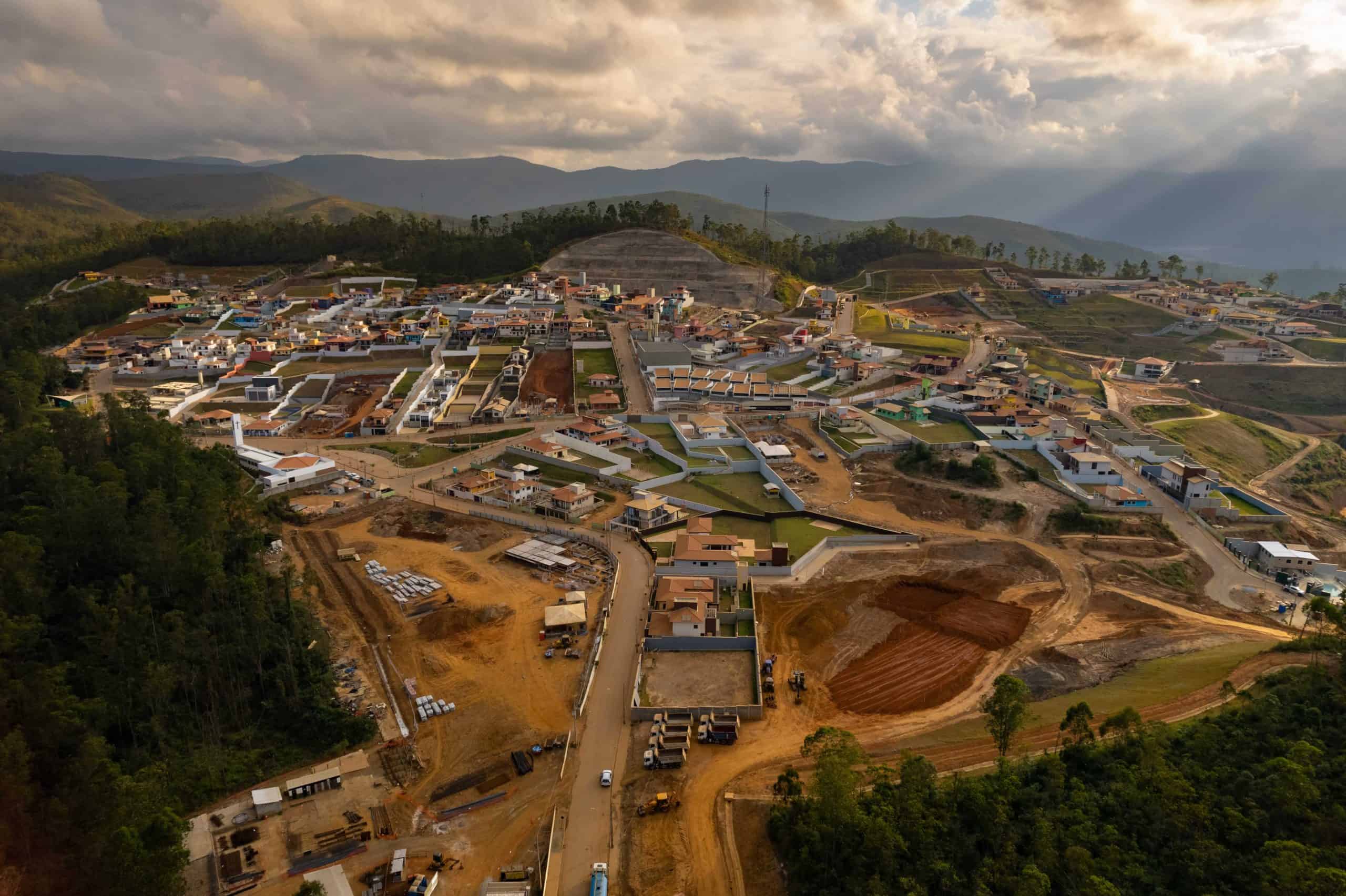
Its responsibilities cover a wide range, including water quality improvement, infrastructure reconstruction, and community support. Renova coordinates numerous projects to rehabilitate affected areas and promote sustainable living conditions for those impacted by the disaster.
Changes in Mining Regulations
Following the Mariana catastrophe, Brazilian authorities recognized the urgent need for stringent mining regulations. New regulations were implemented to enhance the safety of tailings dams and prevent future failures.
Among these changes is a revised protocol for dam construction and maintenance, ensuring more robust standards and regular safety audits. Authorities mandated greater transparency and accountability, demanding regular reports from mining companies and stricter adherence to environmental guidelines. These reforms aim to mitigate risks associated with mining activities and protect communities and ecosystems in vulnerable areas.
Community Engagement and Resilience
Communities affected by the dam’s collapse played crucial roles in recovery and rebuilding efforts. Grassroots organizations and local leaders worked tirelessly to voice community needs and engage in dialogue with responsible companies and authorities.
These engagements fostered resilience and empowered communities to demand transparency and justice. Many initiatives focused on cultural preservation, economic diversification, and educational programs to equip residents with skills for new livelihoods. The collective efforts highlighted the importance of community participation in shaping a resilient future, ensuring public concerns remain at the forefront of recovery and development plans.