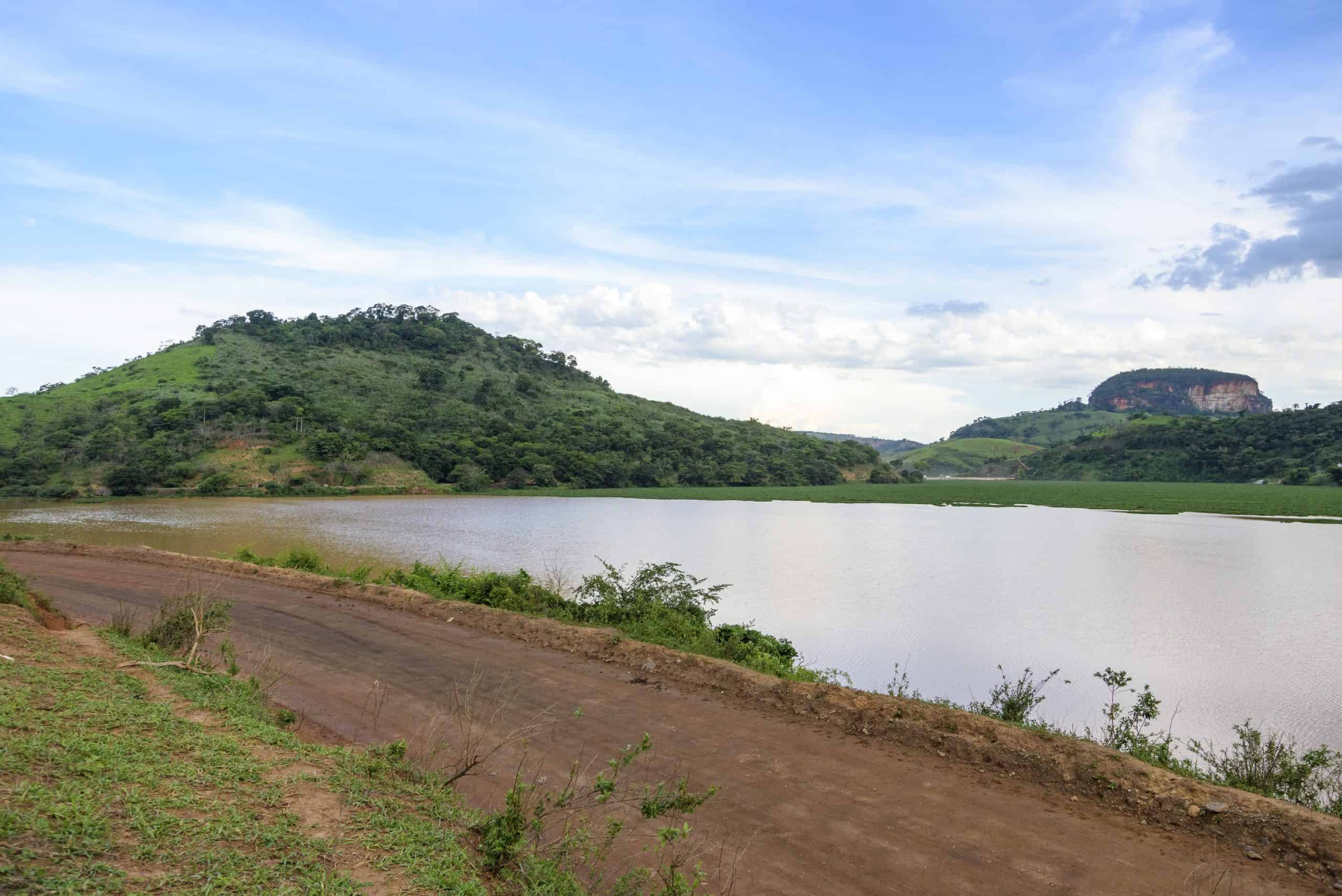
In November 2015, Brazil faced a significant environmental crisis when the Fundão tailings dam at the Samarco iron ore mine collapsed. This catastrophic failure led to the release of millions of cubic meters of mining waste into the Doce River, posing severe ecological and socio-economic repercussions. The disaster tragically took the lives of 19 individuals and the ensuing environmental destruction left a lasting impact on both local communities and the wildlife of the region.
Legal and corporate responsibilities have been a substantial focus in the aftermath. The event ignited a series of investigations and legal battles involving the parent companies Vale and BHP Billiton, leading to both federal and international judicial proceedings and fines. Nearly a decade after the disaster, affected communities continue to struggle with reparations and accountability issues, highlighting the long-term consequences of industrial negligence.
At the heart of discussions surrounding the Samarco accident is the persistent question of corporate accountability and environmental stewardship. As new developments unfold in courtrooms across the world, the disaster remains a poignant reminder of the potential costs associated with industrial operations in fragile ecosystems. The ongoing struggle for justice by impacted communities underscores the critical need for meaningful reforms in mining practices and regulatory oversight.
Overview of the Samarco Accident
The Samarco Accident in 2015 was a catastrophic event caused by the failure of the Fundão tailings dam in Brazil. It resulted in significant environmental damage and loss of life, impacting the Rio Doce basin and local communities.
Timeline and Key Facts
On November 5, 2015, the Fundão tailings dam at the Germano Mining Complex near Mariana in the Minas Gerais state of Brazil suffered a catastrophic failure. Managed by Samarco, a joint venture between Vale and BHP Billiton, the dam’s collapse led to a tragic loss of 19 lives. The accident unleashed approximately 40 million cubic meters of toxic mining waste, devastating nearby communities such as Bento Rodrigues and Paracatu de Baixo. This event is considered one of Brazil’s most severe environmental disasters due to its extensive social and ecological impacts on the Doce River basin.
Causes of the Fundão Dam Collapse
The collapse of the Fundão dam has been attributed to several operational and structural failures. Investigations revealed that the dam’s design and implementation were inadequate to securely manage the waste material. Factors such as flawed construction methods, insufficient drainage systems, and a lack of regular maintenance contributed to the dam’s instability. Reports indicated that warnings about potential structural weaknesses were not adequately addressed by Samarco, Vale, and BHP, the entities responsible for the dam’s management. These oversights ultimately led to the dam’s failure, triggering widespread devastation.
Immediate Aftermath and Emergency Response
In the immediate aftermath of the disaster, Samarco and its parent companies, Vale and BHP, mobilized emergency response efforts to mitigate further harm. They focused on reinforcing remaining structures at the Germano mine to avert additional collapses. The companies worked to provide basic necessities like drinking water and shelter to affected residents. Search and rescue operations were conducted to locate missing persons, and efforts to contain the vast spread of toxic waste in the river were initiated. Despite these efforts, criticism emerged regarding the adequacy and timeliness of the response, raising concerns about the long-term environmental and social impacts on the affected regions.
Lasting Impact and Legal Consequences
The Mariana Dam Disaster, also known as the Samarco accident, left profound environmental and social scars in Brazil, influencing a wide array of legal outcomes. The tragedy prompted significant, ongoing legal battles and led to the establishment of various compensation initiatives, such as those managed by the Renova Foundation.
Environmental and Social Effects
The catastrophic tailings dam collapse caused severe repercussions for the environment and surrounding communities. The release of toxic sludge devastated the ecosystems of the Gualaxo do Norte River, leading to a drastic reduction in biodiversity and habitat destruction. Water supplies for thousands of residents were affected, compromising access to clean water and damaging agricultural lands. Socially, the communities of Novo Bento Rodrigues and Paracatu faced displacement, with lasting psychological and economic effects on the residents. Economic activities, particularly fishing and farming, were heavily disrupted, leading to prolonged socio-economic difficulties for the local population. The response included reforestation efforts and the construction of new infrastructure, but the full ecological recovery is still a distant goal.
Accountability and Legal Proceedings
The disaster triggered extensive legal proceedings against Samarco, its parent companies BHP and Vale, and their executives. Brazilian federal courts ruled that these entities were liable for the dam failure, mandating significant financial penalties. Judicial actions spanned multiple countries, including class actions in Australia and the United Kingdom, with additional cases brought in the Netherlands concerning corporate accountability. The judicial process aims to ensure that those responsible are held accountable, highlighting the challenge of navigating complex international legal frameworks. As part of the legal outcomes, corporate practices have been scrutinized, fostering calls for stricter regulations on tailings dam management worldwide.
Compensation and Reparations
Compensation and reparation efforts form a crucial aspect of the response to the disaster. The Renova Foundation was established to oversee and coordinate compensation payments and recovery initiatives for affected individuals and communities. By December 2026, Samarco is expected to complete all compensation payouts, with notable progress already reported. These initiatives involve billions in payments, aiming to redress the damage done to lives and livelihoods. Efforts continue to move slowly, as communities still await significant reparations, despite the allocated funds. The overall commitment to compensation symbolizes an ongoing effort to amend the adverse impacts and support long-term recovery for the afflicted regions.


