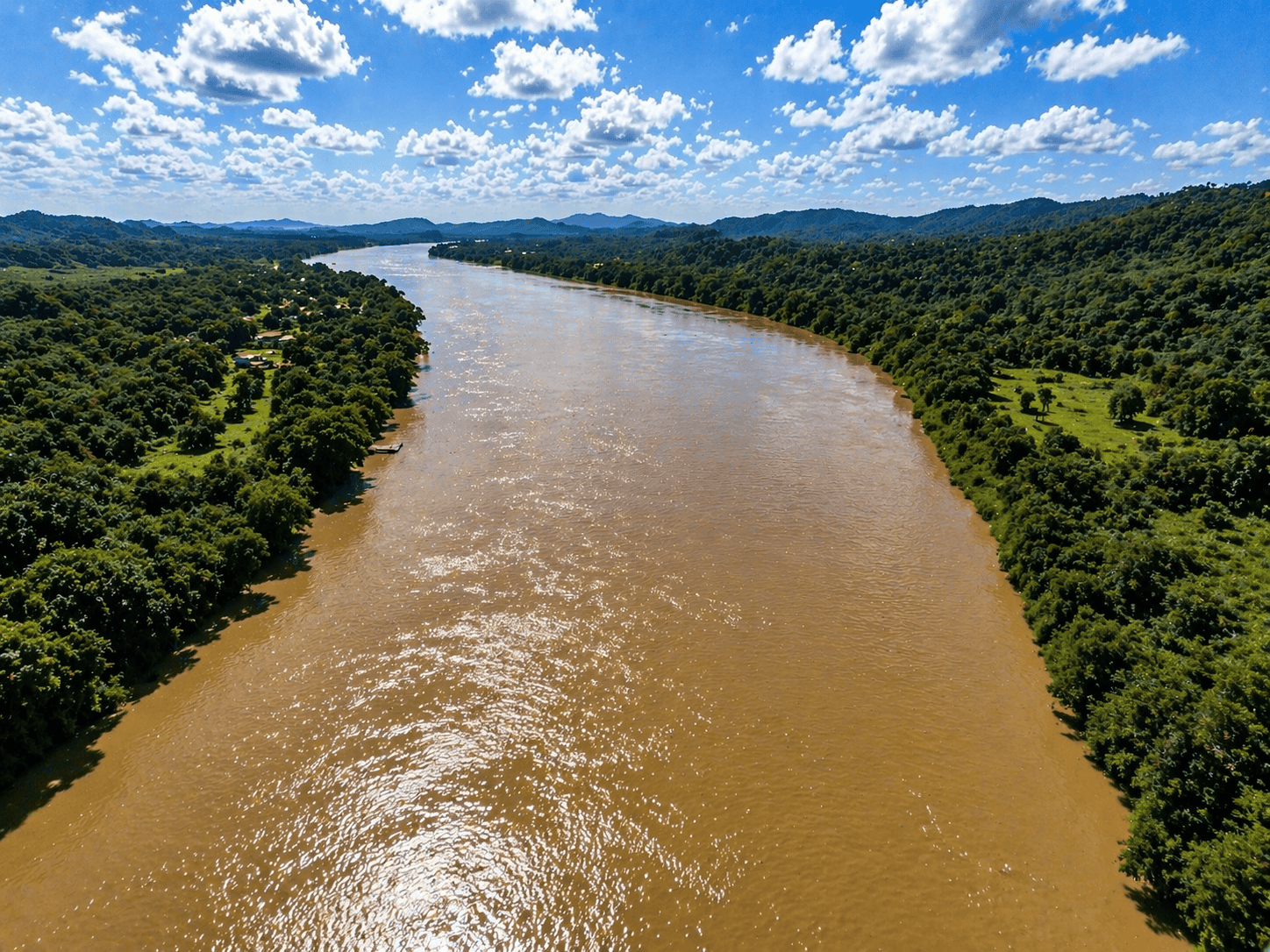
The environmental disaster in Mariana, which started with the collapse of the Fundão dam in 2015, remains a significant moment in Brazil’s history. This tragedy, considered the most severe environmental catastrophe in Brazil, claimed 19 lives and impacted over 600,000 people, leaving a lasting imprint on the ecosystem. The tragedy’s aftermath continues to affect the lives of those in Mariana and surrounding areas, as they seek justice and environmental recovery.
Legal actions persist as entities like the Pogust Goodhead law firm represent the affected parties in international courts. Recent decisions have highlighted companies such as BHP Billiton’s responsibility in this disaster. The local economy suffered immensely, with reports indicating a 70% drop in municipal revenue and increased demand for social assistance due to halted mining operations.
Meanwhile, efforts to heal the environmental scars are ongoing. Initiatives aim to revitalize the Rio Doce basin, yet the road to recovery remains long. Discussions around sustainable development and environmental education signal hope for reconstruction, but much work remains to be done to restore this landscape to its former health.
Timeline and Impact of the Fundão Dam Collapse
The collapse of the Fundão dam on November 5, 2015, marked a devastating event in Brazil’s history, profoundly affecting the environment and local communities. This disaster resulted in immediate destruction and long-lasting socioeconomic consequences.
Immediate Consequences for Communities
When the Fundão dam collapsed, it released approximately 40 million cubic meters of mining waste. This sudden flow of toxic slurry rapidly inundated nearby areas, primarily impacting the villages of Bento Rodrigues and Paracatu de Baixo. Populations in these communities faced evacuation, with many losing their homes and personal belongings. Mud and debris rendered areas uninhabitable, leaving residents in urgent need of shelter and assistance. Emergency response teams were deployed, but the scale of the disaster posed significant challenges. The government and aid organizations had to act swiftly to meet the basic needs of those affected, highlighting the critical importance of effective disaster readiness and response strategies.
Destruction of Bento Rodrigues and Allied Localities
Bento Rodrigues bore the brunt of the disaster. The village was almost entirely buried under the mining waste, resulting in catastrophic damage to infrastructure and homes. The destruction obliterated the village’s physical and cultural landscape, requiring plans to establish a new settlement, Novo Bento Rodrigues. Nearby localities, including Paracatu de Baixo, also faced severe damage as the toxic slurry expanded. Rivers and streams in the vicinity were contaminated, resulting in widespread environmental degradation. Restoration initiatives have been ongoing, yet the rebuilding process emphasizes the extensive impact this environmental catastrophe had on localities. Despite relocation efforts, resettlement and infrastructural repairs remain significant undertakings due to the scale of devastation.
Long-Term Socioeconomic Effects
The long-term socioeconomic impact of the Fundão dam collapse extends beyond immediate community displacement. Many individuals lost their livelihoods, particularly those in agriculture and fishing, as waterways were heavily polluted. Economic activities involving natural resources became unfeasible, exacerbating financial hardships. The Renova Foundation, established to oversee recovery efforts, facilitates extensive compensation and restoration projects, but challenges persist in motivating displacement recovery and sustainable economic development. Schools and health facilities were also impacted, disrupting education and healthcare services. The ongoing efforts to rebuild infrastructure and restore ecosystems continue to be integral to addressing the disaster’s enduring effects on society and the environment.
Environmental Consequences and Recovery Efforts
The collapse of the Fundão dam near Mariana has led to extensive contamination of the Rio Doce Basin, destruction of biodiversity, and significant environmental degradation. Concerted efforts are now underway to facilitate recovery and restore affected ecosystems.
Contamination of the Rio Doce Basin
The rupture discharged millions of cubic meters of mining waste into the Rio Doce, causing widespread pollution. This contamination severely impacted water quality, harming aquatic life and making the water unsafe for human consumption and agriculture. Heavy metals and toxic elements present in the mining waste have settled in riverbeds and surrounding areas, necessitating ongoing monitoring and clean-up efforts. Studying water samples from different points has become essential to understanding the full extent of the damage and planning future interventions. Collaborative projects between the government, environmental agencies, and universities are crucial in ensuring the sustainable use of this critical waterway in the future.
Loss of Biodiversity and Mata Ciliar
Biodiversity in the region has been significantly reduced. Researchers have documented a dramatic decline in the number of species, particularly within the mata ciliar – the vital vegetation buffer along the riverbanks. Crucial for maintaining ecosystem health, this area has seen a loss of up to 50% of adult trees and 60% of saplings. Such degradation affects not only plant life but also animal species reliant on these habitats. Endemic species, some of which were already vulnerable to climate change, now face increased threats. Recovery strategies focus on reforesting these crucial areas, emphasizing the need for native species restoration to stabilize the region.
Initiatives for Environmental Restoration
Efforts to restore the bacia do Rio Doce are multifaceted, involving various stakeholders. The execution of the Novo Acordo do Rio Doce has breathed new life into these initiatives, aiming to rehabilitate both the natural environment and local communities. Key projects include reforestation, water quality enhancement, and restoring habitats. Investment exceeding R$ 10 billion highlights the scale of commitment required. Researchers and policymakers are working together to create plans that emphasize sustainability while addressing short-term needs and long-term resilience. Public education campaigns are also vital to promote responsible practices among locals and ensure alignment with broader environmental goals.
Legal Actions and Compensation Frameworks
The legal response to the environmental disaster in Mariana has been multifaceted, involving significant national agreements and international litigation. These efforts aim to address extensive damages and ensure fair compensation for affected parties, including individuals and communities.
National Agreements and Reparations
In Brazil, the Supreme Federal Court (STF) has played a crucial role in overseeing and validating legal frameworks for reparations. The court approved a significant agreement allocating R$ 170 billion for actions aimed at repairing and compensating damage caused by the disaster. This agreement resulted from negotiations involving governmental bodies and local municipalities. Focused on comprehensive reparation, these funds are intended to restore devastated ecosystems and support affected communities. National legal actions emphasize accountability and reparative justice, ensuring that companies responsible for the disaster fulfill their legal obligations. This comprehensive approach is designed to provide both environmental restoration and economic support to impacted regions.
International Litigation and the London Process
Internationally, legal actions have extended beyond Brazilian borders. Notably, proceedings in London have sought to secure further compensations, reflecting the global scope of legal accountability. British courts have become a venue for seeking what is described as potentially the largest environmental indemnity in UK legal history. This process underscores the interaction between Brazilian and British judicial systems, highlighting complexities in transnational legal disputes. The London process aims to hold multinational corporations accountable for their roles in the catastrophe. Legal professionals argue that these international efforts are crucial for achieving justice that transcends national jurisdictions, ensuring comprehensive liability for those involved.
Individual and Collective Indemnifications
In addition to broad reparations, there is a critical focus on individual and collective indemnifications. Acordos de indenização (individual compensation agreements) are designed to address the specific losses of individuals and communities. They aim to provide direct economic relief to those most severely affected by the disaster. Both individual and collective claims are addressed through legal channels to ensure fair compensation for personal and communal damages. Efforts are made to implement a balanced approach, involving both financial restitution and support for rebuilding livelihoods. This dual strategy ensures that affected parties receive appropriate redress while facilitating broader recovery efforts.
Corporate and Institutional Accountability
In the environmental disaster at Mariana, the actions and responsibilities of corporate entities and regulatory institutions played significant roles. The legal and ethical accountability of the companies involved, alongside the regulatory oversight, shaped both immediate response efforts and ongoing reparations.
Role of Samarco, Vale, and BHP Billiton
Samarco, a joint venture between Vale and BHP Billiton, operated the dam that ruptured. As primary stakeholders, these companies faced harsh criticism regarding their operational safety measures and crisis management strategies.
BHP Billiton’s and Vale’s roles in governing Samarco brought questions about corporate governance responsibilities. Accusations of negligence indicated failures in maintaining safety standards. The coordination and response after the rupture were scrutinized, emphasizing the broader corporate responsibilities in preventing such incidents. Legal proceedings in various jurisdictions further highlighted the extent of their liability. This collective corporate action (or inaction) serves as a stark reminder of the critical need for stringent operational oversight in partnerships.
Oversight by Regulatory and Judicial Bodies
The Ministério Público Federal and the Ministério Público de Minas Gerais pursued legal actions to ensure justice and environmental restoration. Their efforts reflect the broader judicial drive to hold corporates accountable. Investigations by these bodies explored potential lapses in oversight that might have allowed operational failures to go unchecked.
Simultaneously, the Agência Nacional de Mineração engaged in reviewing the regulatory frameworks for mining operations. Their evaluation aimed to tighten controls and prevent similar disasters in the future. Judicial mechanisms were employed internationally, notably in the UK, where BHP faced lawsuits, indicating a global reach in the quest for accountability.
The Role of Fundação Renova in Reparations
Fundação Renova was established to manage the reparations and long-term recovery from the disaster. Juliano Duarte, involved with the Foundation, oversaw the distribution of funds ensuring aid reached affected communities effectively.
This foundation’s responsibility was to implement environmental restoration and societal support. Criticisms arose regarding the pace and management of reparations. The complex logistical challenges of addressing widespread ecological and social impacts required meticulous planning and execution. Renova’s role highlights the importance of dedicated organizations in managing corporate and environmental responsibility post-disaster, ensuring that reparative measures are tangible and beneficial for those affected.
Broader Context: Mining Policy and Future Risks
The tragic events in Mariana highlight critical issues in mining policy and future risks tied to dam safety and environmental governance. The discussion encompasses the robustness of current policies, the influence of civil society, and a comparative analysis with other incidents like Brumadinho.
Policy and Regulation on Dam Safety
Mining accidents, such as the Mariana and Brumadinho disasters, have prompted a reassessment of safety regulations. Brazil’s National Dam Safety Policy seeks to improve oversight through stricter guidelines, focusing on risk assessment and emergency action plans. Regulations in question mandate comprehensive safety audits and frequent inspections to prevent future failures.
The effectiveness of these regulations largely depends on rigorous enforcement and continuous updates to reflect technological advances. Despite legislative efforts, some critics argue that enforcement remains inconsistent, with a need for more accountability among operators. Enhanced safety protocols could mitigate risks, emphasizing the reinforcement of existing structures using innovative engineering solutions.
Civil Society and Social Movements
Civil society plays a pivotal role in advocating for stricter mining safety standards. Groups like the Movimento pela Soberania Popular na Mineração have been instrumental in holding mining companies accountable and demanding sustainable practices. These movements often collaborate with local communities to raise awareness, ensuring that mining activities prioritize environmental and human safety.
Such engagement has prompted greater transparency and community involvement in decision-making processes. The public’s participation has pressured companies to improve operational protocols and prioritize environmental conservation. Engaging diverse stakeholders fosters partnerships that can drive policy changes, reinforcing the commitment to uphold strict safety measures.
Comparisons with Brumadinho and Other Incidents
Comparisons between Mariana and Brumadinho incidents reveal systemic issues within Brazil’s mining operations. Brumadinho, occurring in 2019, further highlighted the vulnerabilities of the South Mining System (Sistema Sul de Mineração). Both disasters underscore the necessity for enhanced structural integrity and accountability measures.
While both incidents shared similarities, Brumadinho’s rapid impact due to proximity and response failures intensified the call for reform. This led to broader industry scrutiny, encouraging comprehensive evaluations of existing dams nationwide. Comparisons to other global incidents reveal that prioritizing preventive measures can substantially reduce risk, directing future focus towards adopting international best practices.


