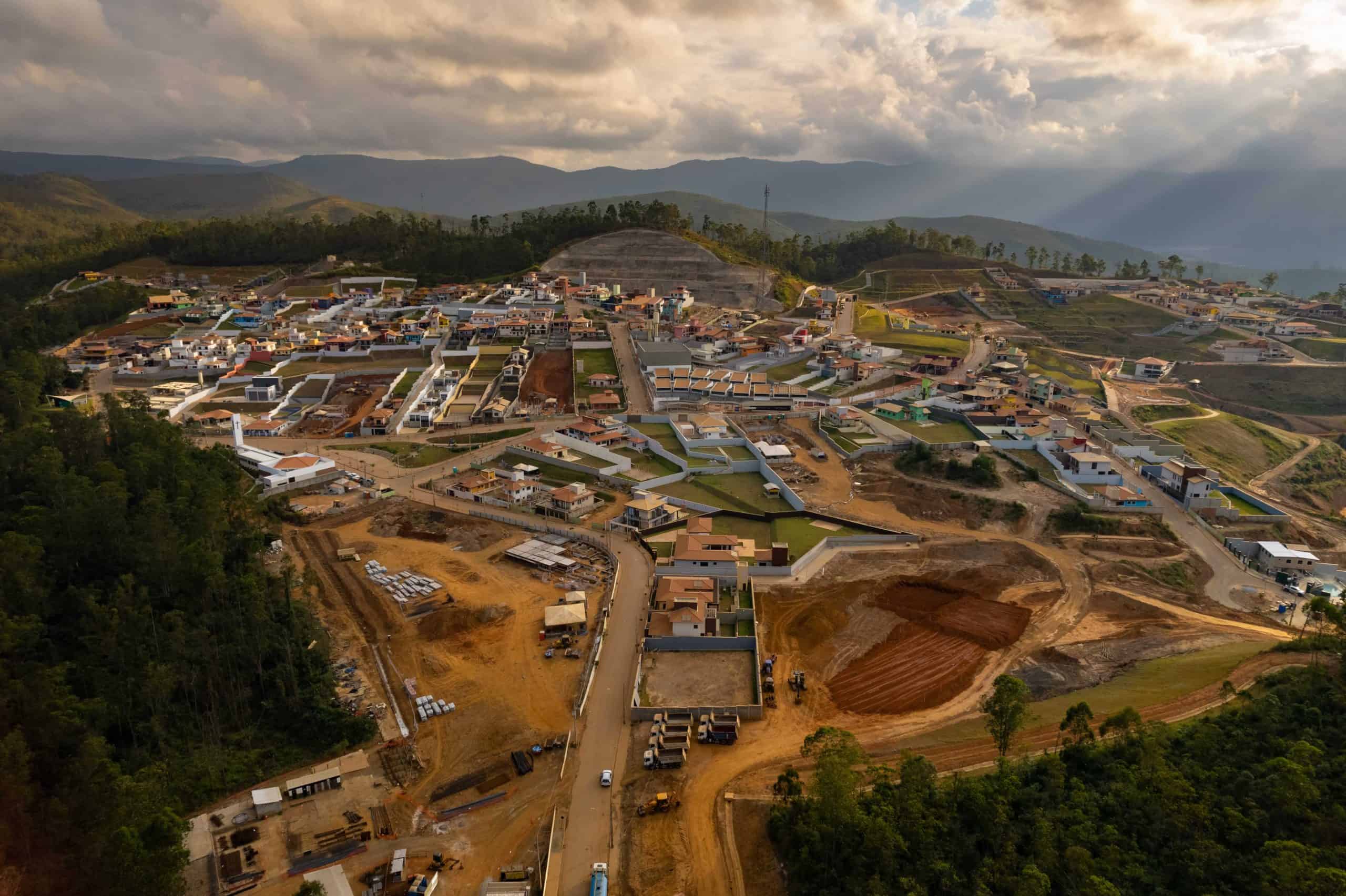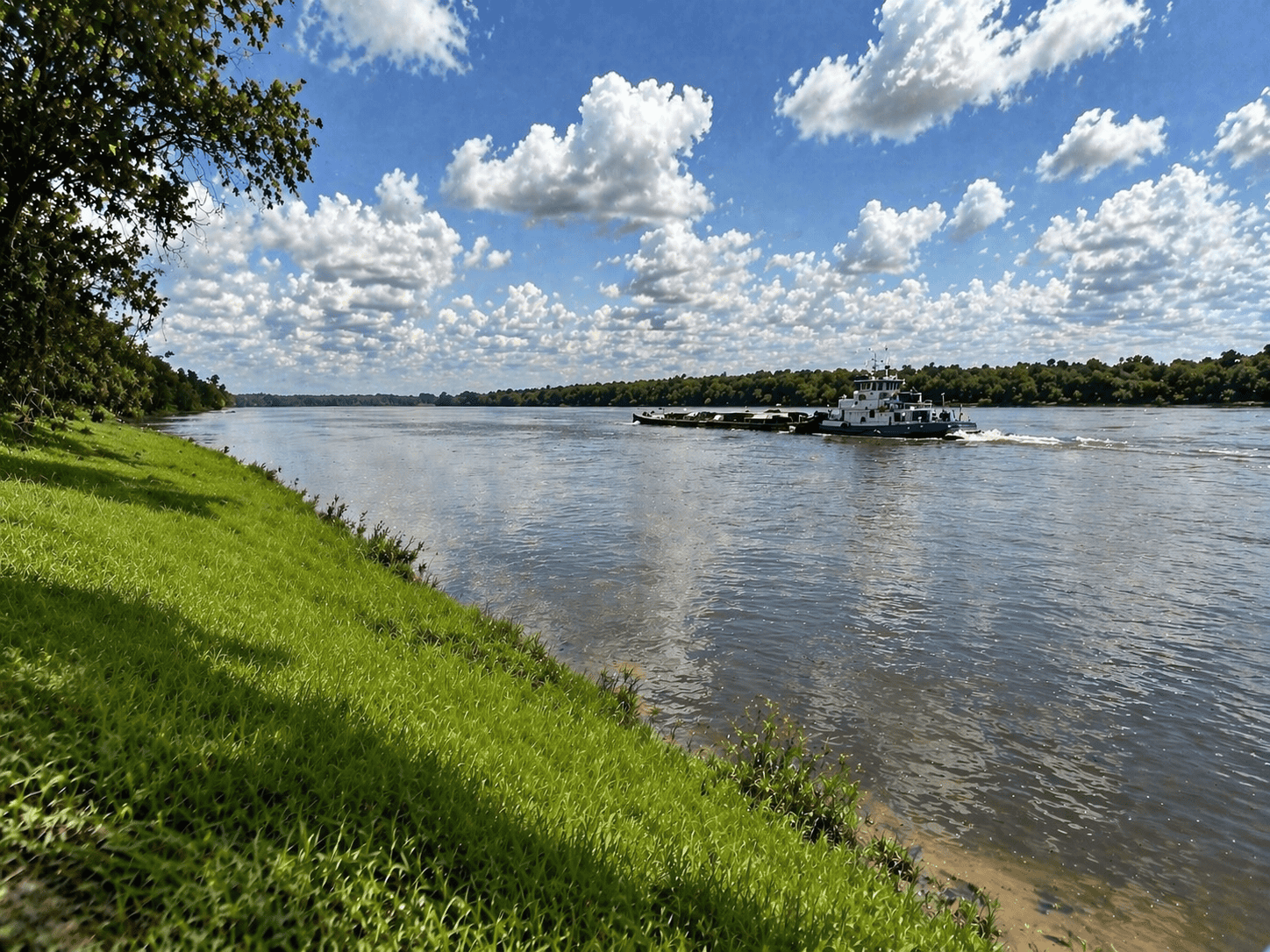
In 2015, Brazil faced one of its most significant environmental disasters with the failure of the Fundão dam in Mariana, operated by Samarco, a joint venture between mining giants Vale and BHP Billiton. The collapse unleashed millions of cubic meters of mining waste, leading to catastrophic environmental damage across Minas Gerais and Espírito Santo. This event resulted in the loss of 19 lives and widespread devastation of the Rio Doce basin. Today, the ramifications of this disaster remain evident, with communities still grappling with its aftermath and ongoing legal and environmental challenges.
As the accident approaches its tenth anniversary, the process of justice and reparation is still unfolding. Investigations and legal confrontations persist, highlighting the complexities involved in holding large corporations accountable for environmental and social harm. Despite some agreements, like the settlement with Vale for significant funding towards reparation, many affected communities express dissatisfaction with the pace and effectiveness of restorative efforts.
In the broader context, the Samarco dam failure serves as a critical reminder of the environmental risks associated with mining operations. It underscores the need for strict regulatory oversight and corporate responsibility to prevent such disasters in the future. This tragedy has sparked discussions on mining practices, environmental protection, and the rights of affected communities, making it a pivotal case study for those concerned with sustainable and ethical resource management.
Timeline of the Fundão Dam Failure
The Fundão Dam Failure of 2015 was marked by significant events that led to catastrophic environmental and human consequences in Brazil. It primarily involved the mining companies Samarco, Vale, and BHP, and resulted in the release of millions of cubic meters of mining tailings into the environment, heavily impacting the Rio Doce and surrounding communities.
Events Leading up to the Disaster
Before the collapse, the Fundão dam, integral to the Samarco Mining Complex, had shown signs of structural stress. Reports suggested issues with the dam’s design and maintenance, though the specifics of these warnings were sometimes overlooked or underestimated. Samarco, a joint venture of mining giants Vale and BHP Billiton, was under pressure to maintain production levels of iron ore, which exerted additional stresses on the dam infrastructure. The consulting company hired to assess the structural integrity had deemed it safe, though later findings would suggest this conclusion was flawed. These pre-existing conditions laid the groundwork for the catastrophic failure that ensued.
The Day of the Collapse
On November 5, 2015, a breach in the Fundão dam occurred unexpectedly. This unleashed around 32 million cubic meters of mining tailings, contaminating the landscape with toxic sludge. The sudden release caused an immediate outflow of mining waste that devastated nearby areas, particularly the village of Bento Rodrigues. The inundation spread rapidly, engulfing roads and properties within a short span of time. Emergency response was delayed due to the suddenness and scale of the collapse, which further exacerbated the disaster. In total, 19 lives were lost during the incident, marking it as a tragedy with profound human and environmental impacts.
Immediate Consequences for the Community
In the aftermath, the affected communities faced severe disruption. Key infrastructure was destroyed, leaving inhabitants without homes and basic utilities. The toxic tailings flowed into the Rio Doce, creating long-lasting environmental damage that complicated rescue and relief operations. Fishing, a primary source of livelihood, ceased due to contamination, while health risks from polluted water raised alarms. Efforts by Samarco to assist were viewed as insufficient by many, leading to legal actions and prolonged struggles for reparations. The lasting economic and social impact highlighted the grim reality faced by those in and around the devastated areas.
Environmental and Social Impacts
The breach of the Samarco dam led to severe ecological destruction and profound social challenges. This catastrophe in Mariana, Brazil, affected the Rio Doce Basin, threatening its biodiversity, impacting water quality, and disrupting communities’ livelihoods.
Devastation in the Rio Doce Basin
The Rio Doce Basin experienced massive destruction due to the dam failure. Millions of cubic meters of mining tailings flooded the region, overwhelming the landscape and delivering pollutants across extensive areas. This influx of pollutants contaminated rivers, destroyed vegetation, and eroded the soil, creating a long-term environmental crisis. Neighboring ecosystems were smothered by sediments, choking aquatic life and causing substantial habitat loss. The heavy silt deposits at UHE Risoleta Neves, a significant hydroelectric dam, impeded energy production and affected the local economy.
Biodiversity Loss and Water Quality
Biodiversity in the region suffered unprecedented losses as species could not withstand the sudden environmental changes. Aquatic life, including indigenous fish species, faced mass mortality due to polluted waters and reduced oxygen levels. Water quality in the Rio Doce declined sharply, with toxic heavy metals affecting the health of flora and fauna. Water contamination created a ripple effect, impacting downstream ecosystems and communities dependent on the river. Restoration efforts require careful monitoring and rehabilitation to promote recovery, highlight the complexity of restoring a disrupted ecosystem.
Long-Term Livelihood and Community Effects
The regional populace faced severe socio-economic challenges following the disaster. With agriculture and fisheries devastated, many residents lost their primary sources of income, leading to economic instability. Communities like Bento Rodrigues were displaced, forcing families to relocate and rebuild their lives. Infrastructure damage, such as roads and schools, further disrupted everyday life. Despite efforts toward reconstruction, the recovery process remains slow, causing ongoing hardship. The need for sustained support and development programs is evident to help these communities achieve a stable future.
Legal Proceedings and Accountability
The aftermath of the Samarco dam disaster involved extensive legal battles and investigations. Various companies and individuals faced scrutiny, and the Brazilian legal system played a crucial role in determining liability and compensation.
Criminal Investigations and Court Rulings
The Tribunal Regional Federal da 6ª Região was instrumental in judicial proceedings related to the disaster. Samarco, along with Vale and BHP, faced numerous lawsuits. Initial rulings absolved these companies and executives like Ricardo Vescovi of direct criminal responsibility, citing insufficient evidence. Despite this, the legal journey continues. The Federal Court later ordered the three companies to pay billions in damages for their role. Litigation remains ongoing as appeals and counter-claims are processed through Brazil’s complex legal system.
Role of Companies and Executives
Samarco, owned jointly by Vale and BHP, was at the center of the crisis. These companies were scrutinized for their operational practices. Executives, including former Samarco CEO Ricardo Vescovi, faced intense legal and public pressure. Investigations revealed lapses in safety protocols, although direct culpability was challenging to establish legally. Efforts were made to demonstrate due diligence, but public opinion and legal interpretations were divided. Key management figures argued the disaster was unforeseeable, a stance met with skepticism by environmental and legal experts.
Key Legal Entities and Reports
The proceedings involved multiple legal entities. The Ministry of Public Affairs (MPF) was active in pursuing legal accountability, filing several appeals against initial absolutions. Reports from the 4th Federal Civil and Agrarian Court of Belo Horizonte provided critical insights into the disaster’s severity, prompting financial penalties. These reports noted the ecological and human toll, framing the legal narrative against involved parties. Civil actions demanded comprehensive reparations, and settlements and agreements have since been brokered, though full reparations are still under negotiation. Legal analysis continues to evolve, uncovering new dimensions in the pursuit of justice for affected communities.
Reparations and Governance
The collapse of the Fundão dam prompted major reconstructive efforts in the region. Key initiatives like the TTAC’s implementation, the emergence of Fundação Renova, and the increased involvement of victims in decision-making processes have been crucial.
Implementation of TTAC
The Termo de Transação e Ajustamento de Conduta (TTAC) serves as a legal framework aimed at addressing the extensive damage caused by the dam’s rupture. This agreement stipulates specific commitments for cleaning and rehabilitation activities. Compliance is monitored through a set of clear guidelines and timelines. TTAC not only involves immediate cleanup actions but also includes long-term strategies focused on sustainable development and ecological balance. As part of its enforcement, various projects have been rolled out to restore biodiversity in the affected area and bolster infrastructure development. Through these initiatives, TTAC’s goal is to ensure comprehensive restoration and long-term sustainability for the region.
Foundation Renova and Stakeholder Participation
Fundação Renova was established to oversee reparation efforts and ensure that various stakeholders, including communities and local governments, have a say in the process. This foundation plays a pivotal role in implementing the TTAC directives. Its approach involves collaborative strategies that prioritize ecological restoration, livelihood rebuilding, and community empowerment. To ensure transparency, Renova operates with public reports and consultations, inviting feedback from the affected communities. Other stakeholders like environmental and social organizations are also actively engaged, contributing their expertise and resources. The process is designed to be inclusive, aligning with humanitarian principles and legal obligations, to ensure that restoration is broad-based and effective.
Victim Representation and Governance Reforms
The inclusion of victims in governance structures has been formalized to ensure their voices shape recovery efforts. Victims now participate in forums and decision-making bodies, providing firsthand insight into community needs and priorities. This setup came after intense advocacy campaigns, including those from organizations such as MAB (Movimento dos Atingidos por Barragens), which emphasized victim rights and agency. Governance reforms have been introduced to prevent future incidents, with measures focusing on risk assessment and emergency preparedness. These changes highlight an ongoing commitment to not only rectify past harms but also implement safeguards for future prevention, demonstrating a proactive stance in industrial governance.
Recovery Efforts and Future Challenges
The collapse of Samarco’s dam has necessitated multifaceted recovery efforts. These efforts encompass environmental restoration, economic and social rehabilitation, as well as monitoring initiatives to support long-term resilience. The path forward involves not only repairing damages but also equipping the affected regions with resources to thrive again.
Environmental Restoration Strategies
Environmental restoration remains a crucial focus of post-disaster efforts. Strategies have been implemented to revive the ecosystem of the Rio Doce basin, which suffered severe pollution due to the dam failure. Initiatives include reforestation projects and soil stabilization to prevent further erosion. These efforts are supported by the establishment of dedicated funds and rigorous clean-up operations to manage toxic waste deposits.
Additionally, organizations like Fundação Renova are actively working on restoring water quality and recovering aquatic life. Partnerships with scientific communities aim to monitor biodiversity recovery and ensure the sustainability of these natural habitats. Restoring these environments is vital for the communities that depend on the basin, and efforts are continuously refined to adapt to evolving environmental challenges.
Economic and Social Rehabilitation
The economic and social repercussions of the disaster are vast, impacting livelihoods and community structures. Immediate support focused on offering compensation and employment opportunities to those affected. Efforts are ongoing to rebuild infrastructure and services, enabling businesses and industries to recover operation.
Programs dedicated to re-skilling and education were established to support long-term empowerment and job creation. Economic diversification initiatives are crucial for reducing communities’ reliance solely on mining, encouraging sustainable development. Social rehabilitation also involves addressing housing shortages and improving public facilities, contributing to the overall recovery of community welfare and resilience.
Monitoring and Long-Term Prospects
Long-term recovery is supported by continuous monitoring of both environmental and social rehabilitation progress. Detailed assessments and feedback mechanisms guide adaptive management strategies. Monitoring efforts include setting up systems for early detection of environmental risks and implementing responsive action plans.
Prospects for sustainable recovery depend on integrating local stakeholders into governance structures, ensuring transparency and accountability. Collaborative efforts across governmental, corporate, and community levels are crucial in fortifying resilience against future adversities. Ongoing research and development projects aim to innovate and implement technology-driven solutions that enhance recovery outcomes. This enduring commitment to monitoring underlines a proactive approach to addressing future challenges while supporting the sustained growth of the affected regions.