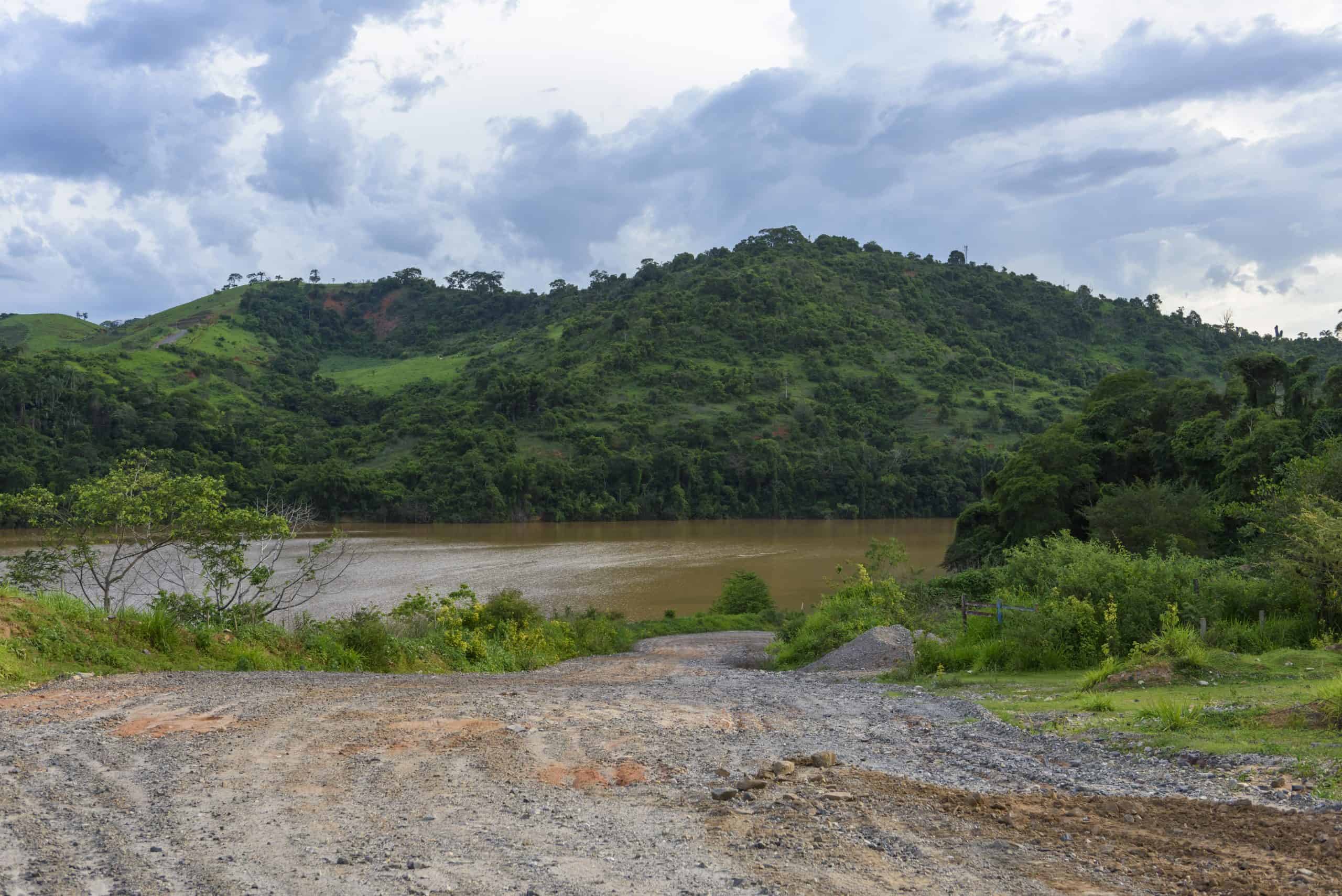
On November 5, 2015, the peaceful town of Mariana in Minas Gerais, Brazil, was forever altered by one of the most devastating environmental disasters in the nation’s history. The catastrophic failure of the Fundão tailings dam unleashed approximately 43.7 million cubic meters of toxic mining waste, marking a significant crisis that obliterated entire villages and contaminated the Rio Doce river, affecting innumerable ecosystems and communities. This disaster not only brought attention to the structural integrity of mining operations but also highlighted issues of corporate responsibility and governance.
As the sludge flowed mercilessly through the region, it left behind a trail of destruction and sadness that impacted the lives of millions. Nineteen people tragically lost their lives, and the environmental devastation caused immeasurable harm to the local biodiversity. Subsequent legal battles and demands for justice have underscored the broader social and economic impacts of the disaster, which remain deeply felt.
Decade-long efforts to achieve accountability and reparation have been met with numerous legal challenges and significant public discourse on environmental governance. This event serves as a stark reminder of the need for stringent environmental regulations and ethical corporate practices in mining operations, setting a precedent for future considerations in resource extraction activities worldwide.
Overview and Immediate Impact of the Mariana Dam Disaster
The Mariana Dam Disaster, occurring on November 5, 2015, in Minas Gerais, Brazil, led to catastrophic environmental destruction and a profound humanitarian crisis. The collapse of the Fundão tailings dam released an enormous mudflow, affecting communities and ecosystems in its path.
Timeline of the Fundão Tailings Dam Collapse
The Fundão tailings dam, part of the Samarco Mining Complex, collapsed in the afternoon, unleashing a torrent of toxic sludge. This devastation began in Bento Rodrigues, where the initial breach inundated the village within hours, leaving little time for residents to evacuate. The release of mine tailings traveled rapidly, affecting over 600 kilometers of land and waterways. The toxic mud reached the Rio Doce, traveling down to Espírito Santo, causing widespread water pollution. Immediate disaster response was challenging due to the swift and expansive nature of the mudflow, which impacted multiple municipalities and river systems. Emergency services struggled to contain the damage as efforts to rescue residents and provide aid were quickly mobilized but hampered by the unforgiving landscape.
Humanitarian Crisis and Displacement
The sudden breach resulted in the displacement of hundreds of families, primarily from Bento Rodrigues and nearby communities. Residents were forced to flee with little warning, leaving behind homes and possessions as the muck cascaded through their villages. The social fabric of these communities was disrupted, with temporary shelters hastily established to house those displaced. Many individuals, including Maria do Carmo and her family, faced uncertainty about their future, grappling with loss and instability. The disaster prompted a global appeal for aid, with relief focused on providing food, medical care, and shelter. Mental health challenges emerged among survivors, who had to cope with the trauma of losing loved ones and their community.
Environmental Consequences and Ecological Damage
The collapse of the Fundão dam triggered one of Brazil’s largest environmental disasters, casting millions of cubic meters of toxic waste into the ecosystem. The sludge smothered habitats and obliterated biodiversity along the Doce River basin. Aquatic life, including various fish species, was decimated, altering the ecological balance. The mudflow’s high metal content posed prolonged health risks to both wildlife and humans reliant on the river. Efforts to rehabilitate the impacted areas were painstakingly slow as the thick sludge seeped into soils, rendering agricultural land infertile. Cleanup operations faced setbacks due to the magnitude of contamination, emphasizing the urgent need for stringent industrial regulations to prevent future occurrences.
Legal, Corporate, and Societal Repercussions
The aftermath of the 2015 Mariana Dam Disaster involves multifaceted legal actions, significant implications for corporate accountability, and substantial compensation efforts. This tragedy stands as a pivotal moment in reevaluating environmental oversight and corporate responsibility.
Corporate Accountability and Regulatory Oversight
The disaster fundamentally altered corporate accountability dynamics, focusing scrutiny on Samarco, a joint venture between Vale and BHP Billiton. It highlighted significant lapses in regulatory oversight and compliance, prompting a reevaluation of safety practices and policies in the mining industry. These events accentuated the need for stringent regulatory frameworks to prevent future occurrences. As a consequence, there have been increased calls for enhanced transparency and oversight, challenging corporations to adopt more comprehensive risk management protocols. Regulatory entities are now prioritizing stricter enforcement measures, aiming to ensure the utmost adherence to environmental and safety standards, thereby seeking to restore public trust.
Litigation and International Legal Proceedings
Litigation post-disaster became a landmark in transnational legal proceedings, involving multiple jurisdictions. Legal actions against BHP Group manifested in the United Kingdom, where the High Court ruling established strict liability for the 2015 disaster. The Supreme Federal Court in Brazil and other legal institutions like the Court of Appeal have also been pivotal in addressing jurisdictional challenges. Firms such as Pogust Goodhead continue to represent a substantial number of claimants against these corporate giants. This legal odyssey underscores the complexities of holding multinational corporations accountable, pushing the boundaries of private international law and reshaping the discourse on environmental liability.
Compensation, Settlements, and Ongoing Recovery Efforts
Efforts to address the aftermath through compensation and settlement have been substantial yet complex. A significant milestone was the creation of a fund exceeding R$49 billion, financed by Samarco, Vale, and BHP Billiton, managed by the Renova Foundation. Settlement agreements have focused on both immediate relief and long-term rehabilitation. These include compensation agreements for environmental restoration and societal recovery, particularly benefiting communities severely affected by the disaster, such as Brumadinho. Despite ongoing claims and compensation negotiations, organizations like the Movement of People Affected by Dams continue advocating for more comprehensive mechanisms to align corporate responsibility with societal justice. Recovery efforts highlight the ongoing commitment to rectifying past oversights and building a sustainable future for affected communities.


