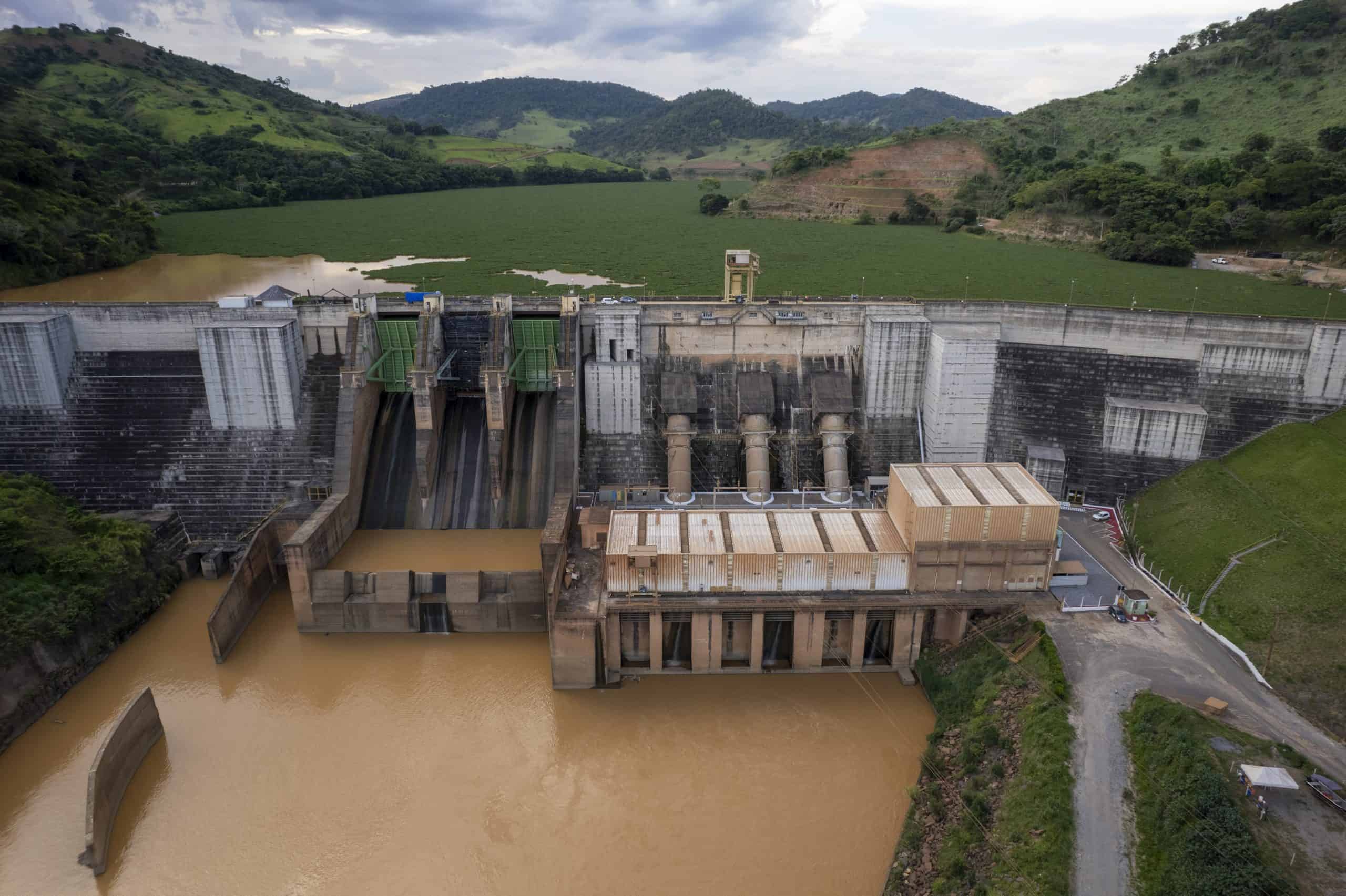
The Mariana dam disaster, which occurred on November 5, 2015, in Minas Gerais, Brazil, stands as one of the most devastating environmental disasters in the country’s history. When the Fundão tailings dam, operated by Samarco, collapsed, it unleashed approximately 43.7 million cubic meters of mining waste. This catastrophic event resulted in the release of toxic sludge that not only claimed 19 lives but also severely polluted over 700 kilometers of the Rio Doce river.
The far-reaching effects of the disaster were felt well beyond the immediate environmental ruin. Entire communities, including the villages of Bento Rodrigues and Paracatu de Baixo, were uprooted as the wave of sludge destroyed homes and livelihoods. In the aftermath, the disaster has left a complex web of legal battles and calls for justice, involving major corporations like BHP and Vale.
As Brazil grapples with the implications of this environmental calamity, the affected regions continue to seek compensation and restoration. Legal proceedings have highlighted the responsibilities of the involved companies, putting a spotlight on how such catastrophic events can influence policy and corporate accountability. This ongoing struggle for justice underscores the profound impact of the disaster on both human lives and the environment.
Overview of the Mariana Dam Disaster
The Mariana Dam disaster, involving the Fundão tailings dam, was a catastrophic event in Minas Gerais, Brazil. It resulted in severe ecological and human impacts, particularly affecting the communities of Bento Rodrigues and Paracatu de Baixo. The disaster involved complex corporate structures, with parties such as Samarco, Vale, and BHP Billiton playing significant roles.
Timeline of Events
The construction of the Fundão tailings dam began in the late 1970s, initially positioned as a cornerstone for regional advancement in agriculture and power generation. However, on November 5, 2015, the dam experienced a catastrophic structural failure. This collapse released millions of cubic meters of mining waste, leading to widespread environmental devastation. The immediate aftermath saw toxic sludge sweeping through villages, primarily affecting Bento Rodrigues. The mudflow stretched over 500 km, reaching the Atlantic Ocean. Investigations revealed multiple critical failures over time, including neglect in maintenance and ignored safety concerns, culminating in the disaster.
Geographical Context and Affected Areas
Located in Minas Gerais, Brazil, the Fundão tailings dam was integral to the Samarco Mariana Mining Complex. The region’s geography heightened the impact of the disaster. The tailings were released into the mountainous landscape, severely affecting downstream areas. Bento Rodrigues and Paracatu de Baixo were the hardest hit, with entire communities displaced due to the toxic mudflow. This destruction of local ecosystems was not limited to immediate surroundings; the Rio Doce River basin suffered extensive contamination, affecting aquatic life and water quality over a vast area. The pollution and debris traveled across several states, eventually reaching the Atlantic Ocean, highlighting the disaster’s extensive reach.
Parties Involved and Ownership Structure
The Fundão tailings dam was operated by Samarco, a company co-owned by major stakeholders Vale S.A. and BHP Billiton. These companies were responsible for the dam’s management and were involved in subsequent legal battles over accountability and reparations. Samarco was a 50-50 joint venture between Vale and BHP Billiton, both of which are major global players in the mining industry. The disaster ignited debates over corporate responsibility, mining regulations, and environmental policies in Brazil. Legal proceedings continue to address the extensive damage and assess whether any negligence in oversight or corporate governance contributed to the dam’s failure.
Causes and Immediate Consequences
In November 2015, the Mariana Dam collapsed in Brazil, leading to one of the most catastrophic environmental disasters in the country’s history. The disaster resulted in a massive release of toxic sludge into surrounding regions, affecting both local communities and ecosystems.
Structural Failures and Warning Signs
The Fundão tailings dam, operated by Samarco, displayed structural vulnerabilities that became evident over time. The dam, intended to store mine tailings—a byproduct of iron ore extraction—developed weaknesses due to inadequate construction practices and a lack of maintenance. Engineering assessments showed that drainage systems were mismanaged, leading to a buildup of pressure. Prior to the collapse, minor leaks and small cracks were observed, but these warning signs were not adequately addressed. A lack of timely interventions and monitoring contributed to the dam’s eventual failure.
Sequence of the Collapse
On 5 November 2015, the dam’s structural integrity was compromised, resulting in its tragic collapse. The dam failed suddenly, unleashing an enormous mudflow composed of millions of cubic meters of mining waste. The toxic sludge traveled swiftly through the Doce River basin, obliterating everything in its path. Within minutes, entire villages, such as Bento Rodrigues and Paracatu de Baixo, were engulfed, creating a devastating trail of debris and destruction. Emergency response was challenged by the rapid progression of the mudflow, hindering efforts to mobilize and protect affected communities.
Humanitarian and Social Impact
The humanitarian impact of the Mariana dam collapse was profound. Thousands of residents were displaced as their homes and livelihoods vanished under the toxic wave. Immediate efforts focused on rescuing survivors and providing shelter and medical care. The loss of life, with 19 reported fatalities, highlighted the social tragedy of the event. The environmental disaster had wide-reaching implications, as water sources were contaminated, impacting agriculture and leading to long-term health concerns. The aftermath revealed systemic issues in regulatory standards and raised serious discussions on the need for stricter oversight and enforcement in dam construction and maintenance.
Environmental and Ecological Impact
The Mariana Dam Disaster resulted in extensive environmental devastation. The Doce River was contaminated with toxic sludge, significantly affecting biodiversity, ecosystems, and the local communities dependent on these natural resources. Comparisons are drawn to the Brumadinho Dam Disaster to understand the broader consequences of such failures.
Contamination of the Doce River
The collapse of the Fundão dam released between 55 and 62 million cubic meters of tailings into the Doce River. This deluge of contaminated waste has drastically altered the water chemistry, affecting aquatic life and rendering the river hazardous for human use. The toxic sludge contained heavy metals and other pollutants, posing significant risks to both wildlife and local populations. Residents experienced health issues due to exposure, while the river’s ecosystem faced severe disruptions. The contamination reached as far as the Atlantic Ocean, affecting marine environments and coastal communities in Espírito Santo. Ongoing monitoring and remediation efforts are essential to address the widespread ecological consequences and restore the natural flow of the river.
Biodiversity and Agricultural Loss
The environmental disaster severely impacted local biodiversity. Many native species were either wiped out or their populations drastically reduced due to habitat destruction and water pollution. Vegetation along the riverbanks and surrounding areas was smothered by the thick layer of sludge, leading to significant losses in plant life that supported local ecosystems. Agricultural lands were also affected, with toxic materials seeping into the soil, rendering it unsuitable for traditional farming practices. Local farmers found themselves battling a long-term agricultural crisis as the fertility of their lands was compromised. The ecological damage not only affected immediate food production but also threatened the sustainability of farming practices and local livelihoods in the region.
Long-Term Effects on Local Communities
The local communities along the Doce River face ongoing challenges due to the Mariana Dam Disaster. Water sources, once vital for daily living, were deemed unsafe, limiting access to clean water and affecting community health. Livelihoods based on fishing and agriculture were severely disrupted. Economic instability has followed, with many residents displaced or facing unemployment. The psychological impact and social disruption have also been profound, as families grapple with the loss of homes and jobs, coupled with fears of future environmental catastrophes. Addressing these long-term effects requires comprehensive strategies focusing on economic rehabilitation, infrastructure rebuilding, and community health services to support recovery efforts.
Comparison to the Brumadinho Dam Disaster
In contrast to the Mariana disaster, the Brumadinho Dam Disaster in 2019 had its own distinct set of implications, although both events underscore the dangers of inadequate tailings management. While Brumadinho resulted in greater immediate loss of life, Mariana’s long-lasting environmental damage painted a stark picture of ecological vulnerability. Both disasters highlighted systemic failures in regulatory oversight and dam safety practices. Comparing these events emphasizes the need for improved regulations and preventative measures to protect both people and the environment. These comparisons serve as critical lessons for the mining industry and policymakers tasked with preventing future catastrophes and addressing current ecological crises.
Legal, Regulatory, and Compensation Actions
In addressing the aftermath of the Mariana Dam disaster, the significance of legal measures, regulatory interventions, and compensation plans becomes evident. These actions highlight efforts to ensure accountability and provide redress to those impacted by the disaster.
Litigation and International Legal Proceedings
The Mariana Dam disaster prompted significant legal actions, both domestically and internationally. In Brazil, lawsuits were filed holding mining giants BHP and Vale accountable under local environmental laws. A noteworthy development is the involvement of international courts, such as the UK High Court, where a substantial mass tort claim involved over 600,000 claimants. Law firms like Pogust Goodhead played pivotal roles in navigating these complex legal landscapes. The litigation underscored challenges in jurisdictional matters, as companies argued the adequacy of local compensation schemes. The Court of Appeal and the Supreme Federal Court became arenas for these jurisdictional disputes, emphasizing the intricate nature of cross-border legal proceedings in seeking justice for the affected communities.
Settlement Agreements and Compensation
Settlement agreements emerged as crucial elements in the pursuit of compensation for the Mariana Dam disaster victims. BHP, Vale, and Samarco reached deals with Brazilian authorities to compensate affected communities, agreeing to terms that now total about $30 billion. Renova Foundation was established to manage these compensation efforts, focusing on environmental and social recovery. Recent agreements involved at least 26 municipalities, though some regions, such as Mariana, hesitated to join. Compensatory measures aimed to address both immediate and long-term damages caused by the disaster. These financial commitments indicate a shift towards holding corporations responsible for environmental catastrophes, yet the complexity of reaching consensus among all parties remains a formidable challenge.
Role of Regulatory Oversight and Accountability
Regulatory oversight played a critical role in addressing the lapses that led to the catastrophic event. The disaster highlighted the need for stringent regulatory frameworks governing mining activities. Brazilian agencies are tasked with reviewing and enforcing safety standards to prevent future incidents. Despite historical lapses, accountability measures sought by the legal system aim to prevent recurrence by promoting corporate responsibility and compliance with environmental laws. Corporate accountability was a focal point, with expectations for mining companies to adhere to more rigorous operational standards. Regulatory reforms following the disaster demonstrate a commitment to ensuring safety, as well as environmental protection, within the mining sector.
Community Advocacy and the Movement of People Affected by Dams
Community advocacy has been a driving force in the movement seeking justice and recovery post-disaster. Groups representing the affected populations rallied for fair compensation and stricter regulatory practices. The Movement of People Affected by Dams (MAB) serves as a notable example, advocating for the rights of displaced individuals and emphasizing the social and environmental impacts experienced by these communities. Their activism has been instrumental in garnering attention to the plight of those affected by the dam collapse. These efforts aim to secure a sustainable future for impacted regions by ensuring affected voices are heard and incorporated into ongoing recovery and policy-making processes.