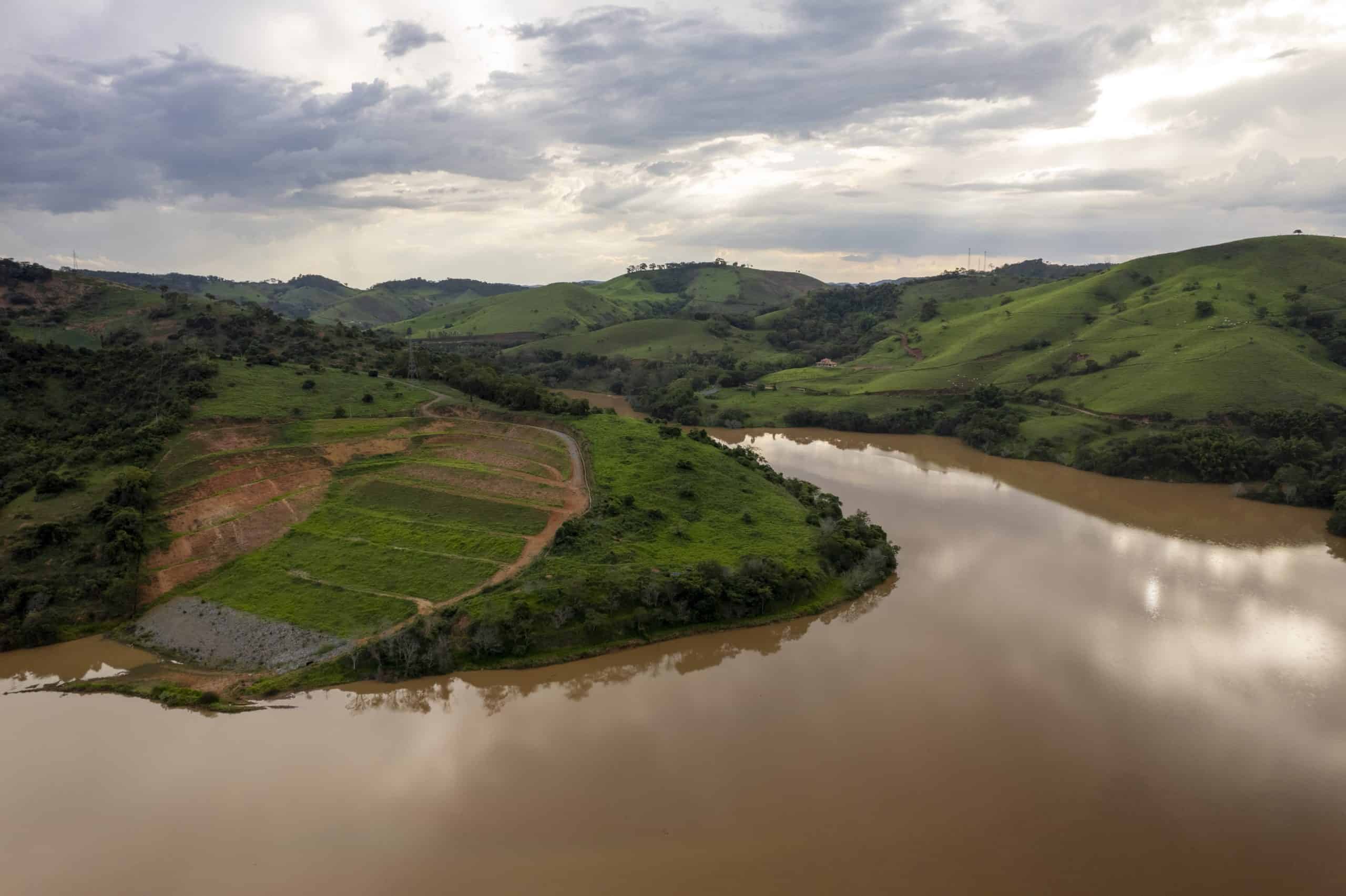
On November 5, 2015, Brazil experienced one of the most catastrophic environmental disasters in its history when the Fundão tailings dam at the Samarco Mariana Mining Complex suffered a complete failure. The dam’s collapse unleashed approximately 43.7 million cubic meters of toxic sludge, devastating communities and ecosystems across more than 300 miles. This disaster not only severely impacted local flora, fauna, and community infrastructure but also highlighted serious concerns about industrial oversight and the fragility of human-made systems when faced with natural and economic pressures.
The aftermath saw extensive legal battles, with international claims and settlements amounting to billions. This includes a significant compensation agreement involving global mining giants BHP and Vale. The incident serves as a stark reminder of the balance required between industrial activity and environmental stewardship.
Beyond the immediate physical devastation, the disaster brought significant socio-economic consequences for the affected residents, including displacement and ongoing health risks. It leaves a lasting impact on Brazil’s mining industry and offers numerous lessons about regulatory frameworks, emergency planning, and corporate accountability. The ongoing recovery efforts and the creation of the Renova Foundation signify attempts to restore and rehabilitate the devastated regions, underscoring the long-term commitment necessary to address such extensive damage.
Overview of the Mariana Dam Disaster
In 2015, the Fundão tailings dam at the Samarco Mariana Mining Complex failed catastrophically. This event resulted in severe environmental damage and significant human tragedy. The collapse highlighted the vulnerabilities in mining practices and regulations.
Timeline of the Collapse
On November 5, 2015, the Fundão tailings dam, part of the Germano iron ore mine managed by Samarco, gave way unexpectedly. A colossal wave of toxic sludge, estimated at 43.7 million cubic meters, was unleashed. The initial rupture quickly led to the flooding of nearby areas, including the village of Bento Rodrigues. Over the following days, the toxic flow traveled over 300 miles, severely impacting ecosystems and communities along its path. Immediate rescue and relief efforts commenced, but the scale of devastation presented immense challenges to responders.
Location and Affected Areas
The disaster occurred near Mariana, a city in Minas Gerais, Brazil. This region, known for its rich mining activities, bore the brunt of the destruction. Bento Rodrigues was the first village hit, almost entirely submerged by the torrent of waste. Subsequent spread reached the Rio Doce, a vital waterway, affecting its biodiversity. The environmental impact extended all the way to Espírito Santo’s coastline. The toxic waste destroyed agriculture, contaminated drinking water, and spread pollutants, leading to long-term ecological and human health concerns in these areas.
Key Stakeholders
Samarco, a joint venture between mining giants Vale and BHP Billiton, was responsible for the dam’s maintenance. Both companies faced scrutiny and legal action following the disaster. The Brazilian government and environmental agencies were key in the immediate response and ongoing recovery. Residents and indigenous communities, particularly those dependent on the river for livelihood, were direct victims, suffering losses of homes, jobs, and resources. International bodies also showed interest due to the environmental impact and human rights implications. The complex interactions between these groups have influenced ongoing legal and environmental reforms.
Causes and Failure Mechanisms
The collapse of the Fundão tailings dam was an intersection of poor design, inadequate monitoring, and regulatory missteps. Critical issues in these areas contributed to the disaster’s inevitability.
Dam Design and Engineering Flaws
The structural integrity of the Fundão tailings dam was compromised by significant design flaws. The dam’s design failed to adequately consider the complexities of the geotechnical environment. Weaknesses in its construction materials and techniques led to vulnerabilities. Erosion and seepage issues were exacerbated by the lack of robust engineering solutions.
Experts identified deficiencies in the dam’s foundation stability. These included inadequate drainage systems that could not handle the pressures from accumulated tailings. Such structural inadequacies critically undermined its ability to retain waste material safely over time.
Oversight and Monitoring Issues
Advanced monitoring systems could have detected early signs of damage, but their absence played a role in the disaster. Routine inspections were insufficient and often incomplete, missing critical indicators of structural stress or failure. Early warning signals went unnoticed, which allowed minor issues to escalate quickly without intervention.
Monitoring gaps extended to the analysis of tailings behavior, which showed significant movement before the collapse. This movement was not addressed due to insufficient oversight, both by the operators and external authorities. An effective monitoring plan might have provided time to implement necessary safety measures.
Corporate and Regulatory Failures
Samarco, the operator, prioritized profit over safety, compromising critical maintenance activities. The regulatory framework lacked rigor and enforcement, with ineffective penalties for non-compliance. This created a culture of complacency towards industry safety standards.
Regulatory bodies failed in their duty to enforce strict safety protocols. Inspections by these bodies were sporadic and lacked depth. Poor communication between corporate entities and regulators hindered efficient risk management, preventing timely corrective actions before the disaster unfolded.
Environmental Consequences and Recovery
The Mariana Dam Disaster unleashed catastrophic environmental damage, impacting ecosystems profoundly. The release of toxic sludge greatly affected biodiversity, leading to serious contamination of waterways, including the Doce River. Recovery efforts focus on mitigating the long-term ecological damage that still threatens the region.
Spread and Impact of Toxic Sludge
The collapse of the Fundão dam resulted in the discharge of millions of cubic meters of toxic mining waste. This sludge spread across vast areas, reaching over 600 kilometers downstream. The sediment carried by the flood destroyed habitats, polluted soil, and disrupted local agriculture. Communities dependent on the land and water sources suffered, as the contamination rendered resources unusable. Restoration efforts aim to rehabilitate the landscape and restore soil fertility. The spread of polluted sediment remains a significant barrier to recovery, with clean-up and containment efforts being crucial. The Renova Foundation, established post-disaster, is tasked with addressing these challenges through comprehensive environmental restoration initiatives.
Biodiversity and Water Contamination
The disaster had devastating effects on local biodiversity, directly harming aquatic and terrestrial organisms. Fish populations were heavily impacted, with many species experiencing significant declines. The contamination of the Doce River posed severe threats to freshwater ecosystems and affected the Atlantic Ocean upon entering. Water quality assessments reveal high levels of metals and toxic residues, which persist despite remediation efforts. Efforts to monitor and improve water quality are essential for preventing further ecological degradation and ensuring safe water access for communities. The resurgence of some species indicates progress, but ongoing interventions are needed to prevent long-term extinction risks in affected habitats.
Long-Term Ecological Effects
The long-term ecological impacts of the disaster continue to manifest in altered landscapes and disrupted ecosystems. Soil and sediment contamination hinder vegetation regrowth, while affected areas face increased vulnerability to erosion and desertification. The complex interactions among flora, fauna, and abiotic factors have been permanently altered, requiring continuous scientific study and intervention. Recovery measures include reforestation projects, soil stabilization, and habitat restoration. Rehabilitating these aspects of the ecosystem helps re-establish ecological balance. Collaborative efforts from scientists, environmental groups, and government bodies are essential in addressing the extensive and ongoing ecological challenges presented by the disaster.
Human Impact and Community Response
The Mariana Dam disaster profoundly affected local communities, inducing immediate human losses and prompting recovery efforts. This pivotal event led to both tangible and intangible social impacts while mobilizing a range of community initiatives aimed at rebuilding and recovery.
Immediate Human Toll and Displacement
When the dam burst in 2015, it unleashed a catastrophic surge of toxic mining waste. This resulted in the tragic loss of 19 lives and forced hundreds from their homes. In Bento Rodrigues, one of the hardest-hit communities, entire families were uprooted. Homes were buried under mud, and the survivors faced chaotic and uncertain futures. Many sought temporary housing, struggling with the abrupt loss of shelter and security.
Relief organizations quickly intervened to provide emergency aid, but the scale of displacement created long-term challenges. Families grappled with the loss of not only their homes but also their local networks and livelihoods. Compensation claims emerged as vital lifelines, offering financial relief to those affected. Efforts to address immediate needs highlighted the importance of swift and coordinated response mechanisms in emergencies.
Social and Cultural Losses
Beyond the immediate physical damage, the disaster triggered profound social and cultural losses. The obliteration of Bento Rodrigues and nearby areas left a void in local traditions and community life. Cultural landmarks were destroyed, erasing connections to ancestral histories and practices. For many, these losses were immeasurable, exacerbating the sense of grief and dislocation among survivors.
Social cohesion was strained as families were scattered across various temporary shelters. This fragmentation made it difficult to sustain personal and cultural ties. Efforts to safeguard intangible heritage became critical, with local and external actors working to preserve memories and traditions amidst the upheaval. These losses underscored the need for protective measures that extend beyond physical reconstruction.
Community Recovery Initiatives
Community recovery initiatives played a central role in rebuilding and resilience. The Renova Foundation, established to manage recovery efforts, fostered community engagement and aimed to restore affected regions. Projects included rebuilding infrastructure and homes, as well as environmental restoration efforts to heal damaged ecosystems and reconnect communities.
Engagement with local populations was crucial. Collaborative approaches ensured that recovery efforts were aligned with the specific needs and priorities of those directly impacted. Programs offered mental health support, and various vocational training initiatives helped community members regain financial independence and confidence. These efforts illustrated the power of joint action and commitment in transforming challenges into opportunities for renewal.
Legal Proceedings and Accountability
Legal action following the 2015 Mariana Dam disaster has drawn in numerous parties and jurisdictions. Efforts to provide compensation for the affected areas and individuals are ongoing, with complicated legal battles in multiple countries. Key players such as BHP Billiton, Vale, and the Renova Foundation face scrutiny over their roles and responsibilities.
Key Lawsuits and Jurisdictions
The collapse of the Mariana Dam has resulted in numerous lawsuits filed internally in Brazil and internationally in countries like the UK and Netherlands. In the UK, BHP Billiton faces a giant lawsuit, reflecting the significant financial and reputational stakes involved. Concurrently, legal proceedings in the Netherlands aim to hold the corporations accountable. This complex network of actions highlights the global nature of the accountability efforts.
Compensation Efforts
Several settlements have been proposed, with notable agreements between municipalities, state governments, and the involved corporations. The Renova Foundation, established to manage rehabilitation efforts, plays a pivotal role. Despite difficulties, compensation initiatives are gaining traction, involving financial settlements for the ecological damage and suffering. The task of distributing funds fairly and ensuring transparency remains challenging given the disaster’s scope.
Ongoing Legal Developments
Numerous unresolved legal proceedings continue to unfold, with over 85,000 actions reportedly active in Brazilian courts. Settlement agreements and court decisions have been partially successful, but many issues remain. Organizations like Pogust Goodhead are involved in advocating for victims. As hearings progress, evolving legal standards are influencing outcomes, underscoring the need for robust corporate accountability and environmental protection moving forward.
Lessons Learned and Reforms
The Mariana Dam disaster led to significant reassessments in dam safety protocols and mining industry practices. Key reforms were initiated to enhance structural safety and ensure environmental protection, involving improved monitoring technologies and new regulations targeting the mining sector.
Improvements in Monitoring and Regulation
In the wake of the disaster, the integration of advanced monitoring systems became paramount. These systems are equipped with sensors and real-time data analytics, offering comprehensive insights into dam structural integrity. Enhanced performance tracking allows for early detection of anomalies, facilitating timely preventive measures. New regulatory frameworks were established to impose stricter safety standards and increase accountability among mining companies. Regular inspections and mandatory safety audits have become the norm, aiming to prevent future catastrophes. Collaborative efforts between governments and private sectors have also increased to strengthen oversight and improve compliance with these regulations.
Changes to Mining Industry Practices
Mining companies have been under scrutiny to adopt safer and more sustainable practices. As part of the regulatory overhaul, there was a strong push for the mining sector to invest in sustainable waste management techniques. Companies are now required to conduct comprehensive environmental impact assessments before any new project. Moreover, there has been a movement towards adopting alternative technologies to manage tailings, reducing the reliance on traditional tailings dams. The industry also witnessed improved corporate accountability measures, aimed at providing faster compensation and support to affected communities. Such reforms not only target improved safety and environmental protection but also aim to rebuild public trust in the mining sector.