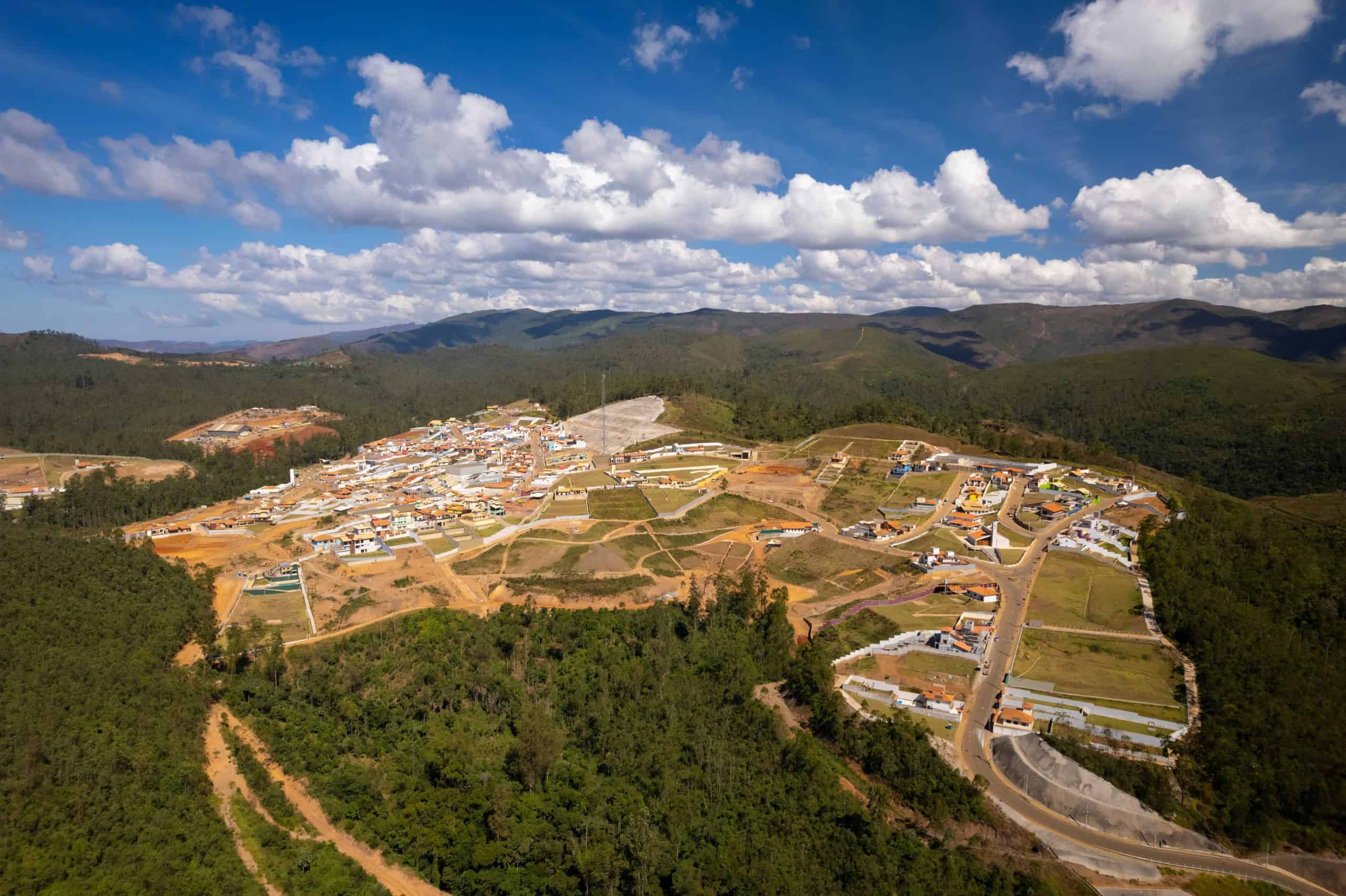
The Samarco Dam Disaster, which struck on November 5, 2015, is widely regarded as Brazil’s most severe environmental catastrophe. This tragedy resulted in the deaths of 19 people and released 40 million cubic meters of iron ore waste, profoundly affecting the Doce River Valley and surrounding communities. The failure of the Fundão tailings dam, located in the Minas Gerais state, sparked widespread ecological and social devastation, with the effects still felt nearly a decade later.
Vale SA and BHP Billiton, who owned the Samarco mine in a joint venture, faced intense scrutiny and legal actions due to this disaster. Investigations revealed that the collapse was primarily due to drainage and design failures, leading to governmental and public outcries for accountability and reform in mining practices. The aftermath has seen prolonged battles for just compensation and environmental repair.
Efforts were made by the companies involved to mitigate the consequences, including temporary production cessation and community aid. The gradual restart of operations years later marked a contentious step in the ongoing recovery process. Residents continue to struggle with the long-term implications, seeking justice and reparations for their losses.
Overview of the Samarco Dam Disaster
The Samarco Dam Disaster remains a significant event in Brazil’s history due to its devastating environmental and human impacts. The Fundão tailings dam failure resulted in the loss of nineteen lives and widespread ecological damage, severely affecting the communities around the Doce River in the state of Minas Gerais.
Timeline of the Collapse
On November 5, 2015, the Fundão dam collapsed at the Germano mining complex, operated by Samarco. The breach led to the release of millions of cubic meters of toxic mining waste. Efforts to secure the site continued in the immediate aftermath, alongside emergency responses to assist affected residents.
In the months following the collapse, legal actions were initiated against BHP and Vale, co-owners of Samarco, for their roles in the disaster. Investigations sought to determine accountability and prevent future incidents of this kind.
Key Facts and Figures
The collapse released approximately 45 million cubic meters of iron ore tailings into the surrounding areas. This wave of waste caused significant ecological devastation along the Doce River and its valley. Nineteen lives were lost, including community members and workers present at the time of the disaster.
Information on the disaster highlights the numerous lawsuits and financial claims against Samarco, BHP, and Vale. Residents continue to experience challenges with compensation and reparations, as the legal and environmental consequences are still unfolding.
Minas Gerais and Impacted Regions
Minas Gerais, a state rich in natural resources, bore the brunt of this disaster. The villages of Bento Rodrigues and Paracatu de Baixo were severely impacted, their infrastructures demolished by the flood of waste. Many residents were displaced, leading to long-term socio-economic and environmental challenges.
The Doce River became heavily polluted, impacting water quality and aquatic life over a vast distance. Recovery and rehabilitation efforts have been ongoing, yet communities along the river continue to face environmental, economic, and legal uncertainties.
Causes and Responsibility
The Samarco Dam disaster stands as a monumental event in Brazil’s environmental and corporate history. The failure of the infrastructure, management practices, and the roles of the companies involved all contributed to this catastrophe.
Dam Construction and Flaws
The collapse of the Fundão Dam was primarily attributed to structural weaknesses and inadequate design. Engineering reports highlighted significant flaws in the dam’s drainage system, crucial for managing the immense water pressure from the tailings. The dam was holding vast quantities of mining by-products, which increased the stress on its structure.
Furthermore, the materials used in construction did not meet the necessary technical specifications, contributing to the structural instability. The lack of rigorous quality control measures during the construction phase further weakened the dam’s integrity. Over time, these deficiencies made the dam susceptible to failure.
Operational Oversight and Warnings
Operational oversight was grossly inadequate, ignoring warning signs and prior assessments. Despite several indicators of potential dam failure, proactive measures were not implemented. There were unheeded warnings from previous inspections, which identified safety risks that were either downplayed or ignored.
The absence of a comprehensive monitoring system to evaluate dam safety contributed significantly to the disaster. Tailings management protocols were not effectively enforced. This neglect allowed known deficiencies to persist without remediation, leading directly to the catastrophic outcome.
Role of BHP and Vale
Samarco was jointly operated by two major mining corporations, BHP Billiton and Vale. Under their stewardship, critical safety procedures were not adequately prioritized. The role of both companies has been subject to scrutiny in legal circles due to their governance failures.
Although both companies were aware of the risks associated with the dam’s design and operation, necessary investments in safety improvements were not made. Documentation from internal communications suggests that profit-driven motives outweighed the emphasis on implementing corrective safety measures. This has raised serious questions about corporate accountability and the ethical responsibilities of BHP and Vale in preventing such disasters.
Immediate Consequences and Human Impact
The collapse of the Fundão dam in Minas Gerais led to a profound loss of life, destruction of communities, and severe effects on indigenous and traditional groups. The disaster, caused by Samarco, left lasting impacts on those directly and indirectly affected by the tragedy.
Loss of Life and Displacement
Nineteen individuals tragically lost their lives immediately due to the dam collapse in 2015. Several others were displaced, with their homes and livelihoods swept away. Thousands were affected as the flood of toxic sludge inundated settlements, forcing many to seek shelter elsewhere. Families scattered, neighborhoods vanished, and the mourning extended across affected areas. As emergency relief efforts were launched, the initial focus remained on rescuing survivors and providing basic aid to displaced individuals.
Destruction of Communities
The sludge from the disaster devastated entire towns, eradicating homes and infrastructure. Buildings were buried, transportation routes rendered impassable, and daily life was brought to a standstill. Consequences included the destruction of schools, health centers, and businesses, crippling the local economy. The environmental catastrophe further complicated recovery efforts as communities faced a formidable challenge in rebuilding and restoring their lives amid the toxic residue of the disaster.
Effect on Indigenous and Traditional Groups
Indigenous and traditional groups suffered significant impacts, both culturally and economically. Their ancestral lands, rich in cultural heritage, were obliterated. Affected indigenous communities, whose livelihoods depended on the land and natural resources, experienced a profound cultural dislocation. The loss was not just physical but deeply spiritual, disrupting traditional practices that had continued for generations. Continued advocacy and support are essential as these groups grapple with legal battles for restitution and the ongoing fight for recognition and recovery.
Environmental Aftermath
The Samarco Dam disaster severely impacted Brazil’s environment. This catastrophe resulted in widespread contamination and ecological damage, affecting the Doce River, ecosystems, and local industries such as fishing and agriculture.
Contamination of the Doce River
The collapse of the Fundão dam released between 55 and 62 million cubic meters of iron ore tailings into the Doce River. This surge of waste, laden with toxic metals, flowed more than 650 kilometers, from the dam to the Atlantic Ocean. Elevated levels of pollutants such as arsenic and lead were detected, severely deteriorating water quality. Communities residing along the river faced dire consequences, as the contaminated water supply posed significant health risks. Efforts by the Renova Foundation to remediate the water quality continue, but restoring the river to its original state remains a formidable challenge.
Long-Term Ecosystem Effects
Ecosystems along the Doce River suffered massive disruptions due to the toxic sludge covering riverbeds and banks. Flora and fauna were devastated, with mass fish mortality signaling the river’s ecological collapse. As biodiversity declined, intricate ecological interactions within these habitats were altered, leading to an imbalance that continues to threaten the recovery of native species. Although attempts by organizations like Vale and collaborated Renova Foundation initiatives aim to rehabilitate ecosystems, the full recovery may span decades. The challenge lies in reviving natural populations while managing invasive species that now find opportunistic habitats within the damaged environment.
Implications for Fishing and Agriculture
Fishing and agriculture in the affected regions faced severe setbacks as a direct result of the disaster. Fishermen’s livelihoods, dependent on healthy fish populations, were significantly impacted due to depleted fish stocks. Contaminated waters rendered fish unsafe for consumption, causing lasting economic strain on communities. Similarly, agricultural lands near the river, once fertile, became coated in toxic sediments, affecting soil quality and crop yields. The community-driven efforts supported by Samarco and governmental agencies focus on developing sustainable recovery programs. These programs aim to help residents transition to alternative livelihoods while regeneration projects attempt to restore agricultural lands to viable conditions.
Legal Actions and Compensation
The aftermath of the Samarco Dam Disaster involves complex legal actions and significant compensation agreements. Various lawsuits have been pursued both within Brazil and internationally. Central to these legal developments are BHP, Vale, and Samarco, along with notable rulings and settlements aimed at addressing the extensive damages caused.
Major Lawsuits and Court Cases
In Brazil, several lawsuits have been initiated against Samarco, BHP, and Vale due to the collapse. One prominent action involves a class-action lawsuit filed in London, demanding massive compensation from BHP.
In Brazil, a court ruling cleared BHP, Vale, and Samarco executives of direct individual responsibility for the collapse, highlighting a significant judicial development. Meanwhile, a federal judge ordered the companies to pay substantial damages, emphasizing a crucial legal stance on responsibility.
Settlement Agreements
In pursuit of reparations, extensive settlement agreements have been negotiated. Key agreements include a $23 billion compensation deal with Brazilian authorities, aimed at addressing environmental and community impacts.
A substantial proposal of $38 billion was also put forward by BHP and Vale to settle the ongoing compensation discussions. Such agreements signify efforts towards resolving numerous related disputes and providing justice to those affected.
Role of the Brazilian Supreme Court
The Brazilian Supreme Court has played a pivotal role in adjudicating issues related to the disaster. Key judicial directives and decisions have emerged from the court, shaping the legal landscape of this tragedy.
The court’s involvement underscores its importance in ensuring that the actions taken align with Brazil’s legal standards, while also stressing the need for continued vigilance over the enforcement of these rulings.
Ongoing International Litigation
Beyond Brazil, international litigation continues to unfold, notably in London’s High Court. The class-action lawsuit against BHP is a significant part of this, seeking $47 billion in compensation.
This international dimension highlights the global attention the disaster has garnered. Efforts to seek justice in different jurisdictions reflect the complexity and scale of addressing such widespread damage, involving multiple stakeholders across borders.
Restoration and Recovery Efforts
Various coordinated initiatives have addressed the aftermath of the Samarco Dam disaster. These efforts focus on environmental restoration, infrastructure rebuilding, and community support. They involve collaboration among the Renova Foundation, corporate stakeholders, and affected communities.
Renova Foundation Initiatives
The Renova Foundation plays a critical role in addressing the environmental and humanitarian impacts of the disaster. Established by Samarco, Vale, and BHP, the foundation seeks to manage and implement various programs designed to rejuvenate the Rio Doce basin and its surrounding environments. Renova has overseen projects aimed at soil stabilization and reforestation, and significant strides have been made in water quality improvement.
Social initiatives also feature prominently, including efforts to engage local farmers in environmentally sustainable practices. The foundation emphasizes transparency and collaboration with local communities to ensure that these initiatives align with their needs and priorities. While challenges remain, the foundation’s initiatives signal a commitment to long-term recovery and sustainability.
Infrastructure Rebuilding
Restoring the affected infrastructure is crucial for resuming normalcy in the impacted regions. Key projects have focused on rebuilding essential facilities, including schools, healthcare centers, and roadways in the devastated areas. Companies involved, such as Samarco, with support from BHP and Vale, have invested resources to ensure quality and timeliness in reconstruction efforts.
Advanced engineering techniques are being employed to construct infrastructure resilient to future disasters. These efforts not only aim to restore physical structures but also to reinvigorate local economies by engaging local labor and contracting local businesses. Strategic improvements and funding channels have been put in place to sustain these rebuilding efforts over the coming years.
Support for Affected Communities
The disaster’s impact on communities was immense, necessitating comprehensive social and economic support measures. Direct financial assistance, including compensation and aid packages, has been provided to affected families and businesses. Renova Foundation and corporate entities have prioritized health services, offering mental health support and healthcare access to impacted individuals.
Community programs aim to empower residents through skills development, focusing particularly on the youth and women. Economic empowerment projects are designed to help rebuild local livelihoods, giving priority to sustainable agriculture and local business support. These efforts underscore the importance of an inclusive approach, striving to restore community resilience and wellbeing in the wake of the disaster.

