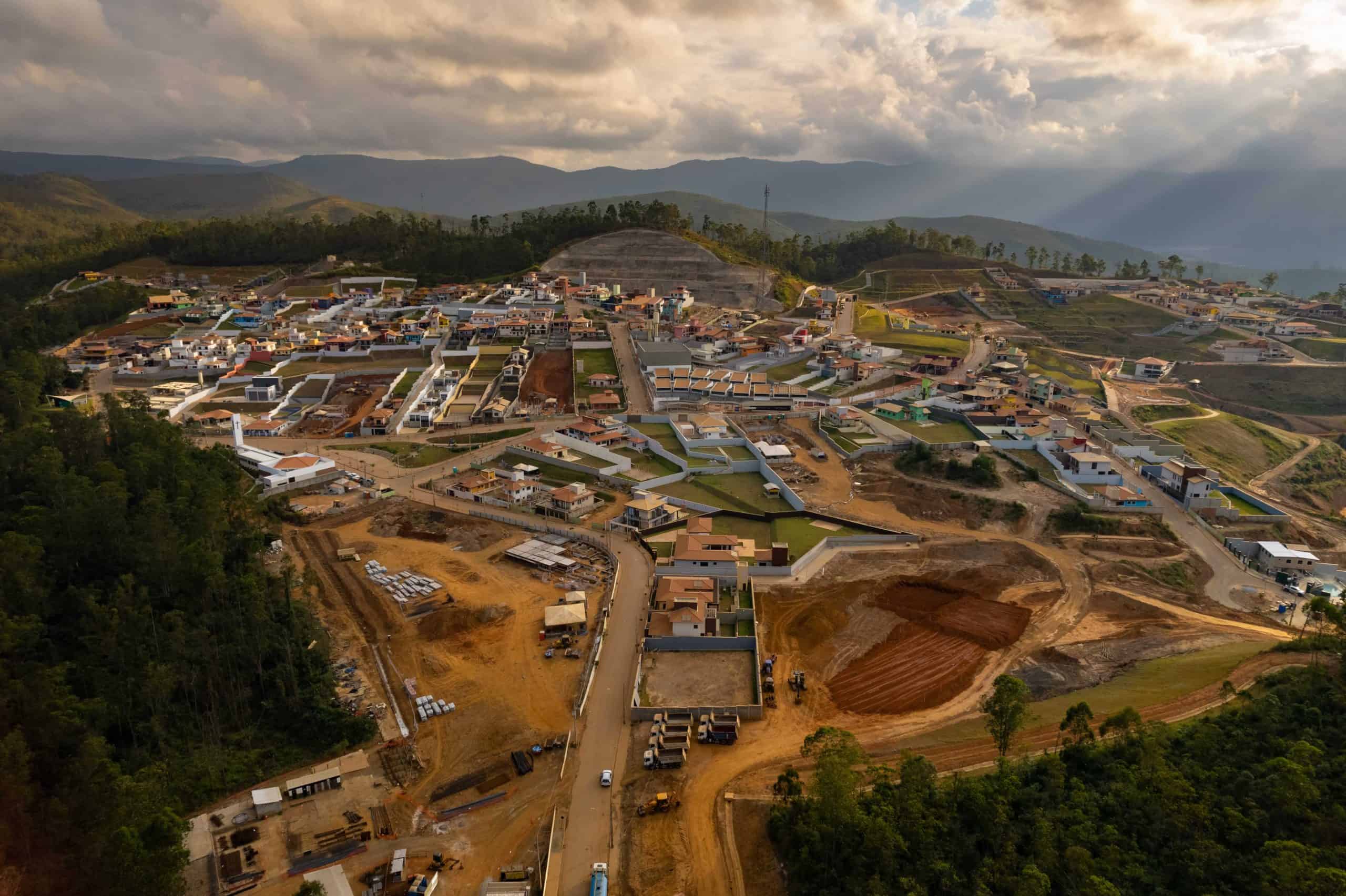
The reassessment of Paracatu de Baixo, a community in Mariana, Minas Gerais, finds itself marred by delays and complications. This process initiated by Fundação Renova aims to provide new homes for families displaced by the catastrophic rupture of the Fundão Dam in 2015, a disaster linked to Samarco, Vale, and BHP Billiton. These delays have left many families still residing in temporary accommodations, stirring significant dissatisfaction and frustration within the community.
The heart of the issue lies in the inability to finalize the construction of essential infrastructure, such as houses, schools, and health facilities. Despite advancements in some areas, like initial infrastructure development, the pace has not met the community’s urgent needs. This has continued to impact the lives of those affected, prolonging their hardships.
With the promises of Fundação Renova still unmet, the urgency for concrete progress is profound. Reports indicate that while the reassessment holds the potential to transform the lives of many, setbacks challenge the vision of a stable and permanent settlement. This situation calls for a closer look at the underlying issues causing these delays and the steps necessary to ensure timely completion.
Chronology of Delays and Missed Deadlines
The reassessment project for Paracatu de Baixo has seen significant delays, with numerous missed deadlines frustrating local communities and involved parties. Legal actions have been pursued, resulting in new deadlines and mandates aimed at expediting progress.
Timeline of Key Events
Following the 2015 disaster caused by the collapse of the Samarco dam, plans were immediately set in motion to resettle the affected communities. Initially, construction was expected to begin shortly thereafter but faced numerous setbacks. By February 2021, the completion of the first housing units was still unfulfilled. The Renova Foundation set another deadline for the completion of the project, which expired in early 2026, furthering distress among affected residents. The TJMG and the Ministério Público de Minas Gerais (MPMG) have been instrumental in pushing for timely completion, imposing financial penalties on parties that fail to meet these new agreed timelines.
Initial Promises Versus Reality
The promises made by various stakeholders highlighted swift and effective action. The initial agreements, involving funds for public projects exceeding R$ 100 billion, aimed to cover various areas such as housing, education, and welfare for the affected. Yet, the reality contrasted starkly with the promises. Delays were rampant, and the reassessment process slowed down considerably, with many families still left without homes years after the disaster. The descumprimento de prazo, or failure to meet deadlines, became a recurring issue, with each postponed completion stoking anger and disbelief among displaced communities like Paracatu de Baixo and others in Gesteira and Bento Rodrigues.
Legal Decisions and New Deadlines
The legal landscape evolved significantly due to delays. The MPMG intervened, culminating in a new agreement mandating Samarco to pay a fine of R$ 1 million per day for continued delays beyond the new, legally-binding deadlines. This decision was set forth by the TJMG to ensure that there are tangible consequences for ongoing inaction. Furthermore, a structured timeline was developed mandating incremental progress at regular intervals, providing some hope to those still waiting for their homes. Such measures were indicative of a strong legal push to finally resolve the issues persisting since the tragedy and assure the affected communities that relief would eventually come.
Current Status of Construction and Infrastructure
The reconstruction efforts in Paracatu de Baixo have focused on crucial aspects of urban infrastructure and housing. Significant progress has been made in areas like public facilities and urban development, although there are notable delays in housing delivery. The following details the advancements and challenges associated with each area.
Progress in Urban Infrastructure
The urban infrastructure of Paracatu de Baixo is advancing with concerted efforts on multiple fronts. Terraplanagem and foundational works have been largely completed, setting a strong basis for other infrastructural activities. Authorities have emphasized ensuring that key resources, such as potable water and efficient sewage systems, are developed on schedule. A new adutora de água tratada is in the final stages of construction, promising to deliver clean water to residents soon. The rede de esgoto installation is progressing steadily, aiming to provide modern sanitation solutions. These initiatives are essential for meeting the living standards expected in the revitalized community.
Housing Construction Updates
Housing construction is currently in various stages of development in Paracatu de Baixo. The projects encapsulate both projetos arquitetônicos and more foundational projetos conceituais that aim to respect and reflect the cultural heritage of the displaced communities. Alvarás de construção have been secured for a majority of the planned residences, yet actual building lags behind initial targets. Despite the completion of the construction blueprint, the pace of physical construction remains a concern. Efforts are underway to expedite these processes so that families can move into their new homes promptly, with considerate attention to both safety standards and aesthetic details.
Implementation of Public Facilities
Public facilities are vital to reestablishing community life in Paracatu de Baixo. Schools, healthcare centers, and recreational areas form the backbone of these efforts. An extensive portion of these obras has reached completion, with several buildings now operational, serving the needs of both Novo Bento Rodrigues and Paracatu communities. The focus has shifted to the finishing touches on secondary structures and ensuring accessibility to all facilities. Continuous engagement with local and regional authorities ensures that these amenities meet the requirements of their prospective users. The integration of these facilities signifies a significant step forward in rebuilding the community.
Delays in Housing Delivery
Despite the advancements in infrastructure and facility installation, delays have emerged in the delivery of housing to affected residents. The timeline for handing over fully completed homes has stretched beyond initial estimates due to logistical challenges and unexpected construction hurdles. Some families remain in temporary accommodations, waiting for the anticipated relocation that allows them to reestablish their lives in Paracatu de Baixo. Efforts to accelerate the entrega das casas are pivotal, focusing on resolving supply chain interruptions and optimizing resource allocation. Ensuring that the quality of the housing is not compromised is a priority, aligning with the broader reparative goals established in the aftermath of the disaster.
Community Impact and Rights of Affected Residents
The process of resettlement in Paracatu de Baixo has had wide-ranging effects on the community. Issues revolve around the psychosocial impact, housing rights, demographic shifts, and the involvement of advocacy groups like Cáritas MG and CABF.
Psychosocial Consequences
The residents of Paracatu de Baixo have faced significant psychosocial challenges following their displacement due to the dam failure. The loss of homes and familiar environments has led to emotional distress among many, exacerbated by prolonged uncertainty over resettlement timelines. Victims, like Luzia Queiroz, have reported feelings of dislocation and anxiety. Local advocacy groups such as CABF have emphasized the need for psychological support. The role of community and cultural ties cannot be understated, as these elements contribute to a sense of belonging and stability. Addressing mental health and reestablishing community networks are essential for the well-being of affected individuals.
Right to Housing and Quality of Life
Ensuring a high standard of living and right to housing has been a pressing issue, as delays in construction have kept many in temporary accommodations. According to activists like Romeu Geraldo de Oliveira, residents demand that their rights to adequate housing be respected. The Comissão de Atingidos pela Barragem de Fundão and organizations such as Cáritas MG have been vocal about ensuring homes meet certain standards. Reparação do direito à moradia remains a major focus, requiring concerted actions from stakeholders to prevent further rights violations. Financial compensation and indemnification processes have also played a crucial role in restoring some level of security, though many argue more action is needed.
Demographic Changes and Outmigration
Demographic shifts in Paracatu de Baixo have been notable, with some families opting to relocate permanently. This outmigration has led to changes in the community’s social makeup, potentially weakening traditional social structures. Younger generations, enticed by opportunities in urban areas, contribute significantly to this demographic movement. These shifts raise concerns about the long-term sustainability of the community’s cultural and economic fabric. Efforts to foster local employment and economic development are needed to counteract these trends and encourage residents to remain engaged in rebuilding their community.
Role of Local Advocacy Groups
Advocacy organizations have played a critical role in advocating for residents’ rights and needs. CABF and Cáritas have been instrumental in raising awareness and pressing for accountability from responsible parties. These groups facilitate communication between residents and authorities, ensuring that victims’ voices are heard. They also provide crucial support in navigating bureaucratic procedures for indemnização and housing claims. Their involvement underscores the power of organized community action in addressing grievances and pushing for systemic changes. Their commitment to serving affected residents underscores the importance of external support in achieving equitable solutions.
Governance, Oversight, and Institutional Roles
In navigating the resettlement complexities in Paracatu de Baixo, clear roles, responsibilities, and oversight mechanisms are crucial. Various stakeholders, including local and state authorities, play pivotal roles in ensuring project progression and compliance with regulations.
Stakeholder Responsibilities
Key stakeholders, such as the Prefeitura de Mariana and the Secretaria Municipal de Obras e Planejamento, are essential to the planning and execution of the resettlement projects. The Prefeitura de Mariana is responsible for coordinating municipal services and ensuring alignment with regional development plans. Its role involves facilitating communication among residents, construction teams, and other agencies.
The Secretaria Municipal de Obras e Planejamento acts as the technical arm, devising construction strategies and managing project resources. It focuses on ensuring that infrastructure meets safety and living standards as laid out by local policies. Both entities work in tandem to align on deliverables and address public grievances swiftly.
Supervision by Regulatory Bodies
Regulatory oversight is critical in upholding the integrity of the resettlement process. The Comissão de Fiscalização plays a vital role by conducting detailed assessments of ongoing work. Their primary duty is to evaluate whether construction activities adhere to set timelines and quality benchmarks. Reports generated by these assessments inform subsequent phases, allowing for timely interventions when necessary.
Moreover, ongoing collaboration with the Ministério Público ensures legal compliance and protection of community interests. This legal body engages proactively with both regulatory authorities and the affected community, guaranteeing that the law upholds constituents’ rights during the reconstruction process.
Coordination With Municipal Authorities
Effective coordination with municipal authorities ensures the integration of various services and resources necessary for successful resettlement. Municipality authorities collaborate closely with the Comissão de Fiscalização das Obras to synchronize planning and execution activities. Such collaboration ensures that all municipal needs are addressed, from road construction to public utilities.
Additionally, regular meetings with municipal representatives help to expedite problem resolution and keep the resettlement on track. Feedback loops established with the community through these sessions provide insights into resident experiences and expectations, informing municipal strategies.
Judicial and Administrative Oversight
Judicial and administrative oversight forms the backbone of ensuring that entities fulfill their responsibilities transparently and ethically. Reports such as the Relatório Técnico provide documented evidence of compliance and areas of concern. This documentation is vital for accountability, as it guides judicial oversight in scrutinizing adherence to legal and procedural stipulations.
Administrative bodies ensure that operational standards remain consistent with compliance requirements. By offering a framework for addressing disputes and challenges promptly, both judicial and administrative oversight fosters a culture of rectitude and public trust in the process. This multi-tiered approach to governance ensures robust oversight across all phases of the resettlement effort.
Challenges, Indemnification, and Paths to Resolution
The reassessment of Paracatu de Baixo involves several complex challenges, with delays being a critical factor due to resource allocation, labor issues, and logistical hurdles. Addressing indemnification and compensation measures remains vital for affected residents. Recent agreements aim to resolve these issues and ensure complete rehousing.
Causes of Delays
Delays in the rehousing project for Paracatu de Baixo stem from multiple issues. Key factors include logistical complexities and inadequate project management. An essential aspect contributing to these delays is the “falta de experiência dos envolvidos” (lack of experience of those involved), as identified by professionals in the field.
Furthermore, ongoing bureaucratic obstacles, such as zoning approvals and contract adjustments, exacerbate the situation. Such disruptions have significantly extended project timelines, highlighting the need for more stringent oversight and streamlined processes.
Resource Allocation and Labor Issues
Resource allocation and labor force challenges play a pivotal role in the setbacks faced. The coordination of financial investments by Vale, BHP Billiton, and Samarco becomes crucial in navigating these obstacles. Financial commitments from these companies need to be timely and adequate, with particular attention to r$ 1 milhão por dia penalties for missed deadlines.
Labor issues also contribute significantly to delays. Finding skilled workers and ensuring adequate training for the task ahead require thorough planning. With meticulous oversight, it’s possible to mitigate these impediments and advance toward a successful completion.
Recent Agreements and Compensation Measures
Negotiations have yielded recent agreements focusing on compensating affected residents effectively. The reparação framework seeks to address damages through financial compensation and resource provision, specifically indenização for immediate and long-term needs.
Collaboratively designed strategies involving stakeholders aim to enforce a fair compensation process. This ensures each resident’s unique circumstances are considered holistically, from immediate housing needs to future economic rehabilitation, underscoring a commitment to delivering on promises made.
Plans for Complete Rehousing
Ambitious plans are underway to achieve complete rehousing for displaced individuals. Recent progress indicates innovative solutions being implemented, highlighting commitments by involved companies, including mineradoras.
Holistic plans encompass the construction of durable housing structures and sustainable community amenities. This approach not only focuses on physical rebuilding but also emphasizes social cohesion and community empowerment. Integrating the lessons learned from the reassentamento thus far, these plans strive for swift, comprehensive fulfillment of residents’ needs.
By navigating these challenges diligently and ensuring adherence to compensation agreements, long-term solutions for Paracatu de Baixo’s community can be effectively realized.