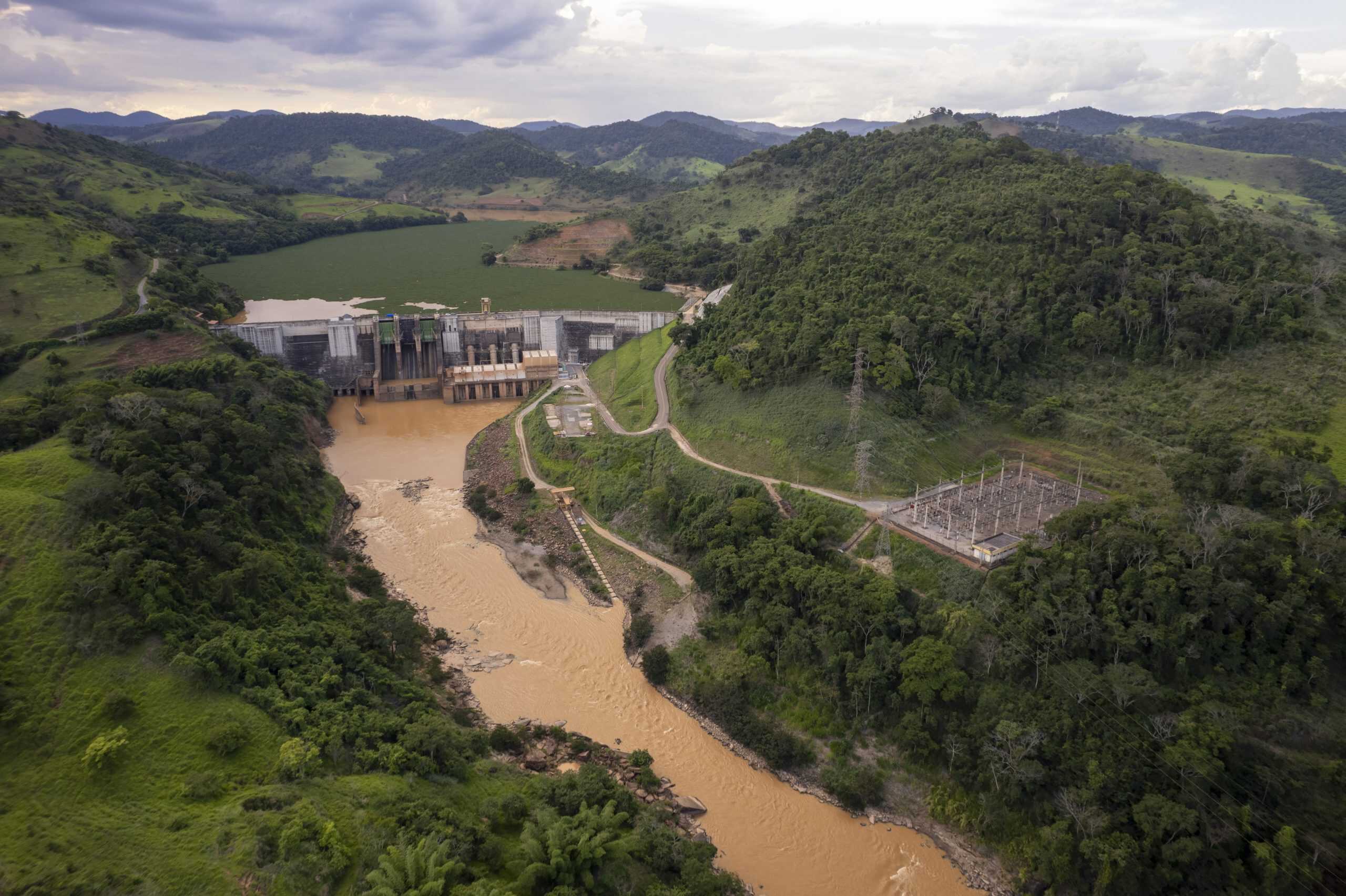
In November 2015, the Samarco accident unfolded as one of the most severe environmental disasters in Brazil’s history. The Fundão tailings dam, associated with the Samarco Mining Complex in Minas Gerais, collapsed and unleashed millions of cubic meters of mining waste. This catastrophe resulted in the tragic loss of 19 lives and extensive destruction across the Doce River basin.
The impact of this disaster extended far beyond immediate environmental damage. The affected communities have faced numerous challenges in securing fair reparations and holding accountable those deemed responsible. Efforts to address the aftermath have involved legal battles and initiatives to rebuild the devastated areas, but significant hurdles remain.
Continuing debates and legal rulings capture the complexities surrounding liability and corporate responsibility. The Samarco accident has sparked a widespread conversation about environmental safety and regulatory oversight in the mining industry. As the case evolves, it highlights the long-lasting ramifications such disasters can have on both people and the environment.
Overview of the Samarco Accident
The Samarco accident in 2015 marked a significant environmental disaster in Brazil, bringing a tragic loss of life and widespread damage. The collapse of the Fundão dam released a massive volume of mining waste that traveled extensive distances, impacting local communities and waterways.
Timeline of the Fundão Dam Collapse
On November 5, 2015, the Fundão tailings dam at the Germano mine complex suffered a catastrophic failure. Located in Mariana, Minas Gerais, the dam’s collapse unleashed over 40 million cubic meters of iron ore tailings. These tailings were composed of mining waste, which rapidly inundated nearby regions. The initial breach occurred in the afternoon and quickly escalated, overwhelming containment areas and spilling into the surrounding valleys. This event was devastating due to its rapid progression and the large volume of waste material involved. As night fell, search and rescue efforts began, although hampered by the sheer scale of environmental destruction and risk to emergency teams in unstable terrain.
Location and Affected Areas
The disaster primarily affected the region surrounding the Germano mining complex in Mariana. The village of Bento Rodrigues was among the first to be devastated by the torrent of sludge, completely inundating homes and infrastructure. Paracatu de Baixo was also severely impacted, with the flood of mining debris traveling further downstream, contaminating the Gualaxo do Norte River and continuing into the larger Doce River. The environmental ramifications reached well beyond immediate human settlements, affecting ecosystems throughout one of Brazil’s significant river basins. Fisheries, agriculture, and local water supplies suffered long-lasting damage, complicating recovery and conservation efforts across multiple municipalities.
Immediate Emergency Response
In direct response to the collapse, Samarco, alongside its shareholders Vale and BHP, initiated emergency actions to support affected communities. This included urgent humanitarian aid such as distributing drinking water and providing temporary shelters for displaced residents. Reinforcement activities were undertaken to stabilize the remaining dam structures in the Germano Complex, preventing further environmental or human risk. Despite these efforts, the immediate response faced criticism for its delayed compensation and perceived inadequacies in addressing community needs. Rescue operations focused on locating missing persons, although the challenging conditions of muddy terrains complicated swift action. The ensuing weeks saw organized relief efforts ramp up, involving local and federal government assistance programs to manage the crisis.
Causes and Technical Factors
The Samarco accident, which involved the catastrophic failure of the Fundão tailings dam, resulted from several interrelated causes. Key factors include structural failures and design flaws, the process of liquefaction, and regulatory and oversight issues.
Structural Failures and Design Flaws
The design and construction of the Fundão tailings dam involved significant structural failures and design miscalculations. The dam, operated by Samarco, a joint venture of Vale and BHP Billiton, was intended to hold back waste material from iron ore processing. However, assessments revealed a lack of strength and stability in its construction materials, leading to its ultimate collapse.
Improperly addressed drainage issues contributed to excess water pressure, reducing the dam’s structural integrity. Additionally, the design did not adequately consider the potential volume of tailings, resulting in overloading. Engineering oversight and insufficient risk assessments during construction were prominent contributors. Without effective preventative measures, these technical oversights set the stage for disaster.
Process of Liquefaction
Liquefaction played a critical role in the catastrophic collapse. This geotechnical phenomenon occurs when certain types of soil lose their strength and stiffness in response to stress, often from vibrations or water saturation. In the context of the Fundão dam, saturated sandy tailings materials underwent liquefaction. These materials rapidly transitioned from a solid state to a fluid-like condition, undermining the dam’s structural support.
Geotechnical studies post-collapse revealed insufficient measures to prevent or mitigate liquefaction, a significant oversight considering the dam’s nature and environment. Understanding the dam’s potential to undergo liquefaction was vital but was inadequately addressed in its design and management, thus leading to the dam’s catastrophic failure.
Regulatory and Oversight Issues
Regulatory and oversight issues also significantly impacted the collapse’s likelihood and severity. The dam operated under Brazilian regulatory frameworks, which failed to enforce stringent safety checks and balances. Vale and BHP, as part of the joint venture, faced criticism for inadequate safety protocols and risk management strategies.
The lack of robust regulatory oversight allows companies to operate without implementing comprehensive safety standards. Frequent inspections and evaluations by regulatory bodies might have identified the growing risks and prompted necessary remedial actions. This absence of effective regulation and oversight, combined with Vale and BHP Billiton’s insufficient internal review processes, was a determining factor that amplified the accident’s destructive impact.
Environmental and Social Impacts
The Samarco accident, marked by the collapse of the Fundão tailings dam, resulted in significant environmental degradation and far-reaching social consequences. Ecosystems were irreversibly altered, communities like Bento Rodrigues suffered immense impacts, and decades-long recovery efforts are still ongoing.
Environmental Damage and Pollution
The collapse of the Mariana Dam in Minas Gerais unleashed approximately 60 million cubic meters of iron ore tailings. This catastrophic release significantly polluted the Gualaxo do Norte and Doce Rivers, devastating aquatic ecosystems along the way. Iron oxide and heavy metals contaminated water sources, impacting both flora and fauna. Sediment deposition altered riverbeds, leading to loss of habitat and diminished biodiversity.
The sudden influx of waste buried vast areas under a toxic sludge, killing plants and displacing wildlife. Soil contamination affected agricultural lands near the Germano Mine, leading to long-term challenges in land restoration. Efforts to clean up and restore these environments are ongoing but complicated by the scale of the disaster.
Impact on Local Communities
The disaster wreaked havoc on local populations, especially in the towns surrounding Mariana. Thousands of residents faced severe disruptions, their homes engulfed in mud, and vital infrastructure damaged. Communities like Bento Rodrigues were obliterated, forcing residents to seek refuge in temporary shelters.
The pollution of water sources further complicated daily living, making it difficult for communities to access clean drinking water. The psychological toll from losing homes and livelihoods exacerbated challenges, leading to rising stress levels and mental health concerns. Local traditions and cultural practices also suffered, as community members found it harder to come together in the face of adversity.
Displacement and Resettlement Efforts
The collapse left several communities displaced, particularly the residents of Bento Rodrigues and Paracatu de Baixo. As their homes became uninhabitable, families were forced to relocate to temporary accommodations provided by the authorities and Samarco.
Resettlement efforts aimed at constructing new homes have faced multiple delays, leading to frustration among affected populations. The complex nature of these efforts involves providing adequately designed housing that meets the needs of diverse families, alongside reestablishing infrastructure such as schools and hospitals. Social cohesion has been one of the hardest hit areas, with communities struggling to maintain social bonds through their extended period of dislocation.
Long-Term Socioeconomic Effects
The long-term socioeconomic impacts of the Samarco disaster are profound. The local economy, heavily reliant on mining and agriculture, suffered considerable setbacks. Loss of productive land and water contamination put agricultural activities in jeopardy, furthering economic strain on affected regions.
Employment opportunities dwindled as industries sought to adapt to post-disaster challenges. Even four years after the event, economic recovery for some regions remained slow. There was an increased need for social services due to unemployment and mental health issues. The disaster highlighted the importance of sustainable practices and responsible corporate behavior in industries that hold significant sway over both the environment and social fabric.
Legal Actions, Compensation, and Reforms
Legal battles have been extensive and complex following the Samarco dam collapse, involving multiple international courts and significant financial compensation. These efforts aim to hold responsible parties accountable while addressing the needs of affected communities. Major reforms have also been proposed to prevent future disasters.
Litigation and Accountability
The litigation surrounding the Samarco dam disaster has seen various judicial actions across the globe. Significant legal proceedings have involved major stakeholders such as BHP, Vale, and their joint venture Samarco. A Brazilian federal judge recently ordered BHP and Vale to pay $9.6 billion for collective damages. Apart from the Brazilian case, BHP faces a class-action lawsuit in London’s High Court demanding $47 billion, highlighting the massive accountability sought by victims and claimants worldwide. These cases emphasize the global reach and impact of the disaster, with multiple jurisdictions holding the involved companies accountable.
Compensation Payments and Settlement Agreements
Compensation remains a pivotal aspect of redress for the Samarco incident. Brazil reached a notable $23 billion settlement in October 2024 with the mining companies involved. Specific arrangements strive to address both environmental and socio-economic damages incurred by the local populace. Despite this, various groups continue to push for additional compensation, spotlighting the dissatisfaction with initial reparations. These developments illustrate the ongoing challenge in ensuring adequate financial settlements to compensate for lost livelihoods and environmental destruction, while reinforcing commitments from involved entities to honor their financial obligations.
Role of the Renova Foundation
The Renova Foundation was established to manage and implement reparative measures following the disaster. Its mandate includes overseeing the transfer of compensation funds and guiding environmental and infrastructural restoration projects. Despite these efforts, criticism has arisen regarding delays in compensation distribution and project execution, highlighting the complexities of large-scale recovery efforts. Renova plays a crucial role in facilitating collaboration between affected communities and corporate stakeholders, attempting to bridge gaps in aid and support. The foundation’s work underscores the importance of effective institutional mechanisms in disaster recovery processes.
Reforms and Industry Implications
The Samarco dam collapse has impelled significant policy reforms in Brazil and the mining sector. Regulatory changes have focused on stricter safety standards and improved monitoring systems for tailings dams. These efforts aim to prevent repeat incidents and enhance industry accountability. Additionally, initiatives seek to involve local communities more directly in monitoring and decision-making processes. The disaster served as a wake-up call for the industry, prompting stakeholders to reconsider risk management strategies and implement more sustainable practices. New standards encourage transparency and better risk mitigation strategies to protect both people and the environment.