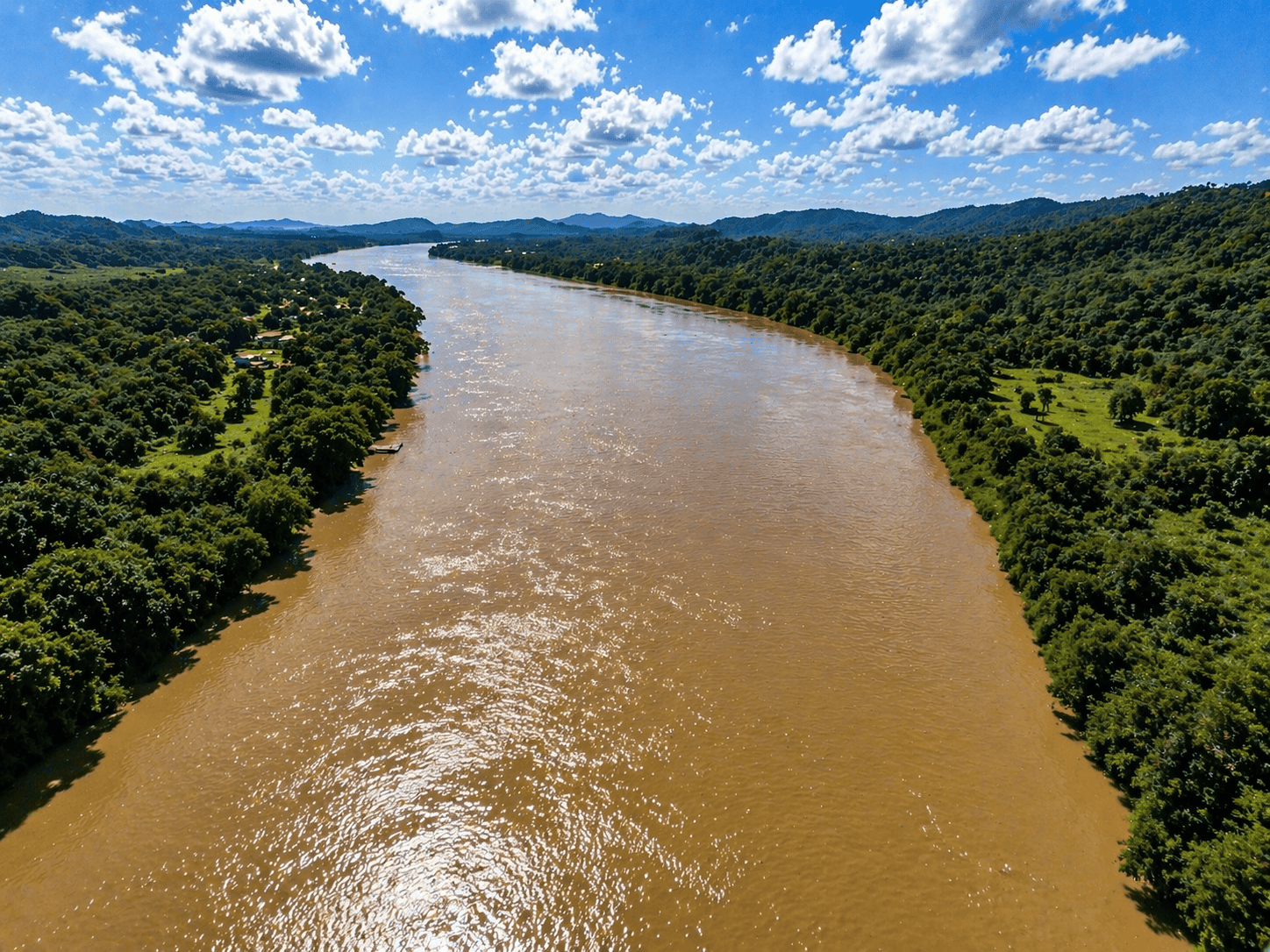
In November 2015, Brazil faced an unprecedented catastrophe when the Fundão tailings dam collapsed in Mariana, Minas Gerais. This disaster, caused by the failure of a dam owned by Samarco, a joint venture between Vale and BHP Billiton, released approximately 60 million cubic meters of mineral waste into the environment. This incident is recognized as one of the worst environmental disasters in Brazil’s history.
The aftermath of the dam failure had profound effects on both the local ecology and the impacted communities. Pollutants spread along hundreds of kilometers of river, affecting the water supply and destroying habitats in their wake. The extensive damage left thousands of people without homes and livelihoods, highlighting significant institutional and regulatory challenges in dam safety and environmental management.
Years have passed since the tragedy, but the echoes of the disaster continue to influence discussions on mining practices and environmental conservation in Brazil. Understanding the causes and implications of such events is crucial for preventing future occurrences and for establishing more robust safety regulations in the industry.
Background and Causes of the Mariana Dam Disaster
The Mariana Dam Disaster, a devastating incident in Brazilian history, resulted from the failure of the Fundão tailings dam. Several key companies were involved, and the incident highlighted critical regulatory oversight issues.
Fundão Tailings Dam and Mining Operations
The Fundão Tailings Dam was situated near the town of Mariana in Minas Gerais, Southeast Brazil. Constructed to contain waste materials from mining operations, it played a crucial role for the Samarco mining company, which was a joint venture between Vale and BHP Billiton. The dam stored millions of cubic meters of iron ore byproducts, a necessary function of extensive mining processes. However, reliance on such infrastructure also imposed substantial environmental and safety risks. Mining operations in the area have been extensive, underscoring the significance of proper dam management and maintenance to prevent catastrophic incidents.
Dam Failure and Collapse Timeline
On November 5, 2015, the Fundão Dam collapsed unexpectedly, releasing an estimated 50 to 60 million cubic meters of iron ore waste and mud. The rupture unleashed a massive wave of toxic sludge into nearby communities, devastating the village and ecosystem. Immediate reports indicated that the structural integrity of the dam had been compromised due to design flaws and insufficient maintenance. Over time, these factors contributed to the dam’s weakening, ultimately leading to its collapse. This timeline of events underscored the urgency to address dam safety and implement stringent monitoring measures to prevent similar disasters.
Key Companies Involved
Three major entities were central to the operations and responsibilities surrounding the Fundão Dam. Samarco owned and operated the dam as a joint venture between mining giants Vale and BHP Billiton. Vale and BHP, both influential players in the global mining sector, were heavily scrutinized in the aftermath of the dam collapse. Public and legal pressures mounted as the companies faced accusations of negligence and inadequate safety practices. They were obligated to engage in reparative actions and support affected communities, restoring trust and ensuring environmental restoration.
Role of Regulatory Oversight
Regulatory oversight by Brazilian authorities was a significant aspect of the disaster’s backdrop. Laws and regulations were in place to govern the operations of mining dams like Fundão. However, issues arose regarding the enforcement of these regulations and the effectiveness of inspections and monitoring. Critics argued that lax oversight contributed to the disaster, as warnings or failures might have been detected earlier. The incident prompted national and international scrutiny, pushing for more robust regulatory frameworks to prevent future occurrences. Stronger oversight is seen as essential to safeguarding both communities and natural environments from such catastrophic failures.
Environmental and Social Impact
The Mariana Dam Disaster resulted in severe environmental degradation and social upheaval. The failure released vast quantities of toxic mining waste, causing contamination and devastating impacts on local communities.
Environmental Damage and Contamination
The catastrophe discharged approximately 60 million cubic meters of mining tailings. The sludge contained hazardous substances including heavy metals. Contamination spread across a wide region, affecting water, soil, and ecosystems. The iron ore waste devastated local biodiversity. Toxic substances leaked into water bodies, causing long-term environmental disturbances. The contamination posed threats to both aquatic life and terrestrial habitats, resulting in decreased biodiversity and ecological imbalance.
Spread of Toxic Sludge and Waste
The collapse unleashed toxic mud that traveled over 650 kilometers. This sludge smothered riverbeds and submerged entire landscapes along its path. It obliterated vegetation and wildlife habitats. Settlements along the path of destruction experienced a complete loss of arable land. The process of natural recovery has been slow, with toxic residue inhibiting regrowth efforts. This spread of toxic waste created hazardous living conditions, posing ongoing health risks to humans and animals alike.
Effect on Rio Doce and Atlantic Ocean
The Rio Doce experienced significant environmental damage due to the influx of toxic mining waste. As the contaminated sludge advanced, it significantly altered the river’s ecology. Aquatic life suffered substantial losses, disrupting the food chain and leading to diminishing fish populations. The river carried contaminants to the Atlantic Ocean, contributing to marine pollution. The affected areas in Espírito Santo experienced altered water chemistry, impacting local fisheries and threatening marine biodiversity.
Impact on Local Communities and Bento Rodrigues
Local communities, particularly Bento Rodrigues, were profoundly affected by the disaster. The village was nearly obliterated by the torrent of mud and debris. Residents lost homes, belongings, and livelihoods. The disaster displaced hundreds, forcing families into temporary shelters and disrupting community cohesion. Efforts to rebuild have been fraught with challenges, including inadequate compensation and slow progress. The social fabric of the Mariana district was irrevocably altered, leaving scars that persist in economic and psychological dimensions.
Legal Proceedings and Compensation Efforts
The aftermath of the Mariana Dam Disaster led to a complex array of legal actions and compensation measures. Legal proceedings have taken place in various jurisdictions, while the settlement and compensation efforts have aimed at addressing the extensive damages.
Lawsuits and Legal Actions
Several lawsuits emerged in response to the Mariana Dam Disaster, focusing on liability for the catastrophic event. Key legal proceedings have taken place in both Brazil and internationally. In Brazil, the companies involved faced significant legal actions from both authorities and affected communities, seeking accountability for the environmental and social damages.
One prominent legal action involves the case filed in London by Pogust Goodhead, representing thousands of claimants seeking compensation against the parent companies of Samarco. This highlights the transnational dimension of the case, where parties seek justice in multiple courts. The lawsuit in England demands substantial financial restitution, illustrating the widespread impact of the event.
Compensation and Claimants
Compensation efforts have been central to addressing the grievances of those affected by the disaster. The legal framework surrounding compensation involves direct and indirect measures to ensure victims receive adequate reparations for their losses.
A significant settlement was reached between Vale, Samarco, BHP, and Brazilian authorities, emphasizing compensation to local communities. This includes financial payments, infrastructure rebuilding, and ecosystem restoration. However, controversies remain around the sufficiency of these measures. Lawsuits represent an ongoing pursuit by claimants for fair compensation, manifesting in an intricate legal landscape focused on adequate reparation for diverse damages and losses experienced by victims.
Role of Renova Foundation
The Renova Foundation, established to manage the reparation process, plays a pivotal role in organizing and implementing compensation strategies. Charged with allocating funds and addressing remediation, the foundation operates under a framework designed to meet the needs of affected individuals and communities.
By March 2024, the Renova Foundation had disbursed around BRL 37 billion for remediation efforts, signifying its commitment to handling environmental and social rectification tasks. Despite significant progress, the foundation faces challenges in meeting all claimant expectations. Criticisms include perceived inefficiencies and delays, highlighting the complex nature of managing reparative initiatives on such a scale.
International Legal Challenges
International dimensions of the legal battle underscore the transnational implications of the disaster. These challenges involve claims in various jurisdictions, notably outside Brazil, seeking accountability from multinational entities overseeing the responsible operation. This complexity arises from attempts by claimants and legal representatives, such as those in the UK, to pursue justice beyond domestic forums.
The English lawsuit highlights a significant effort to hold parent companies accountable on a global stage. Furthermore, this illustrates the necessity for international cooperation in addressing large-scale environmental damage and ensuring comprehensive compensation for victims globally impacted by corporate activities.
Rehabilitation and Long-Term Recovery
The aftermath of the Mariana Dam Disaster focuses on ecological restoration, supporting the affected populations, and addressing ongoing challenges and risks. Recovery efforts aim to restore environmental health and improve living conditions for impacted communities.
Restoration of Ecosystems
The Mariana Dam collapse severely disrupted the local ecosystems. Efforts to rehabilitate these ecosystems are crucial for maintaining biodiversity and ensuring sustainable environmental recovery. Government and private sectors have implemented reforestation programs to rebuild natural habitats and mitigate erosion.
Polluted water bodies, such as the Rio Doce basin, require extensive purification measures. Chemical treatments and natural filtration systems help manage contamination, promoting aquatic life regeneration. Continuous environmental monitoring ensures that the recovery process is adaptive and responsive to new challenges as they arise.
Support for Affected People
The Fundão tailings dam collapse affected numerous communities, displacing families and disrupting livelihoods. Comprehensive support programs, including financial aid and housing, assist these residents. Efforts prioritize mental health care, recognizing trauma’s impact on the population.
Skills training and employment initiatives help integrate affected people back into the workforce. Supporting education and skills development ensures that communities can rebuild with resilience. These measures play a vital role in restoring autonomy and stability for the impacted individuals and families.
Ongoing Challenges and Future Risks
Rehabilitation from the disaster faces multiple challenges. Addressing long-term health effects due to toxic exposure remains a priority. Additionally, legal and bureaucratic obstacles can slow down the aid distribution process, delaying recovery efforts.
Future risks include potential failures of remaining tailings dams. Strengthening regulatory frameworks and improving risk management practices are crucial to preventing similar disasters. Continuous assessment and enhancement of dam safety measures are necessary to safeguard the environment and communities in the region.